Use the method your tested recipe specifies
Choose a research-tested recipe first, then keep its food, jar size, pack style, headspace, process and altitude adjustment together.
Do not choose a method by convenience
A jar that seals — or equipment you already own — does not make an untested process safe for shelf-stable storage.
SAFETY PASSPORT
The tested process is the Safety Lock
Do not improvise processing time, pressure, jar size, headspace or required acidification.
Tested acid-food recipes may use boiling-water canning. Low-acid foods require pressure canning.
Adjust processing time or canner pressure exactly as the tested recipe directs for your elevation.
Use sound jars, the correct lid system and the preparation method specified by the recipe.
If the method, jar size or process is not covered by a tested source, do not invent a shelf-stable version.
BASICS
Start with the food and a tested recipe
Home canning is not one universal technique. The food and the tested recipe determine whether you use a boiling-water canner or a pressure canner, which jar sizes are covered, how the food is packed, how much headspace is required and how long the filled jars are processed.
For U.S. home canning, use current research-based guidance such as the National Center for Home Food Preservation (NCHFP) and the USDA Complete Guide to Home Canning. Keep the recipe and its process as one system rather than mixing numbers from different sources.
Tested acid-food recipes
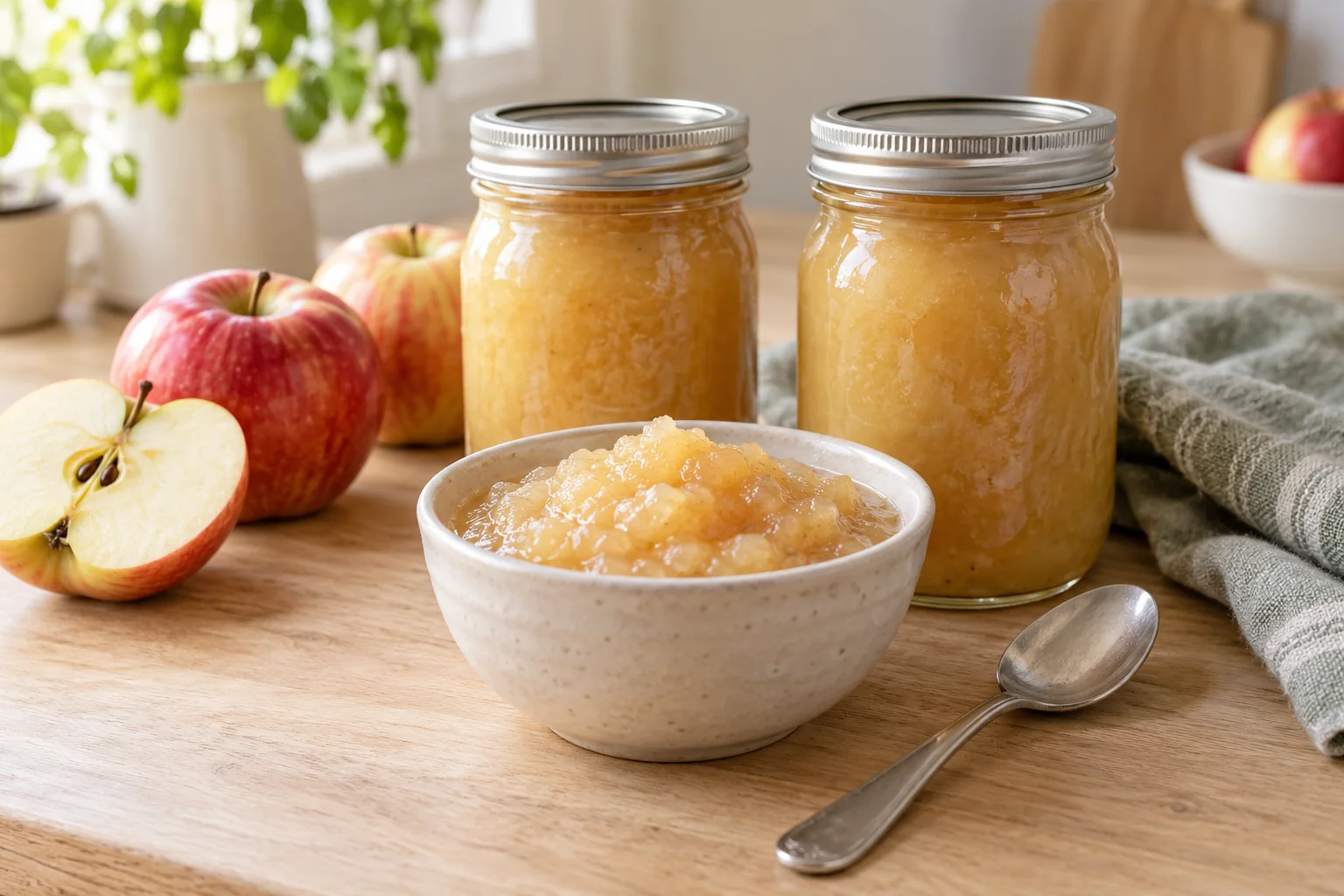
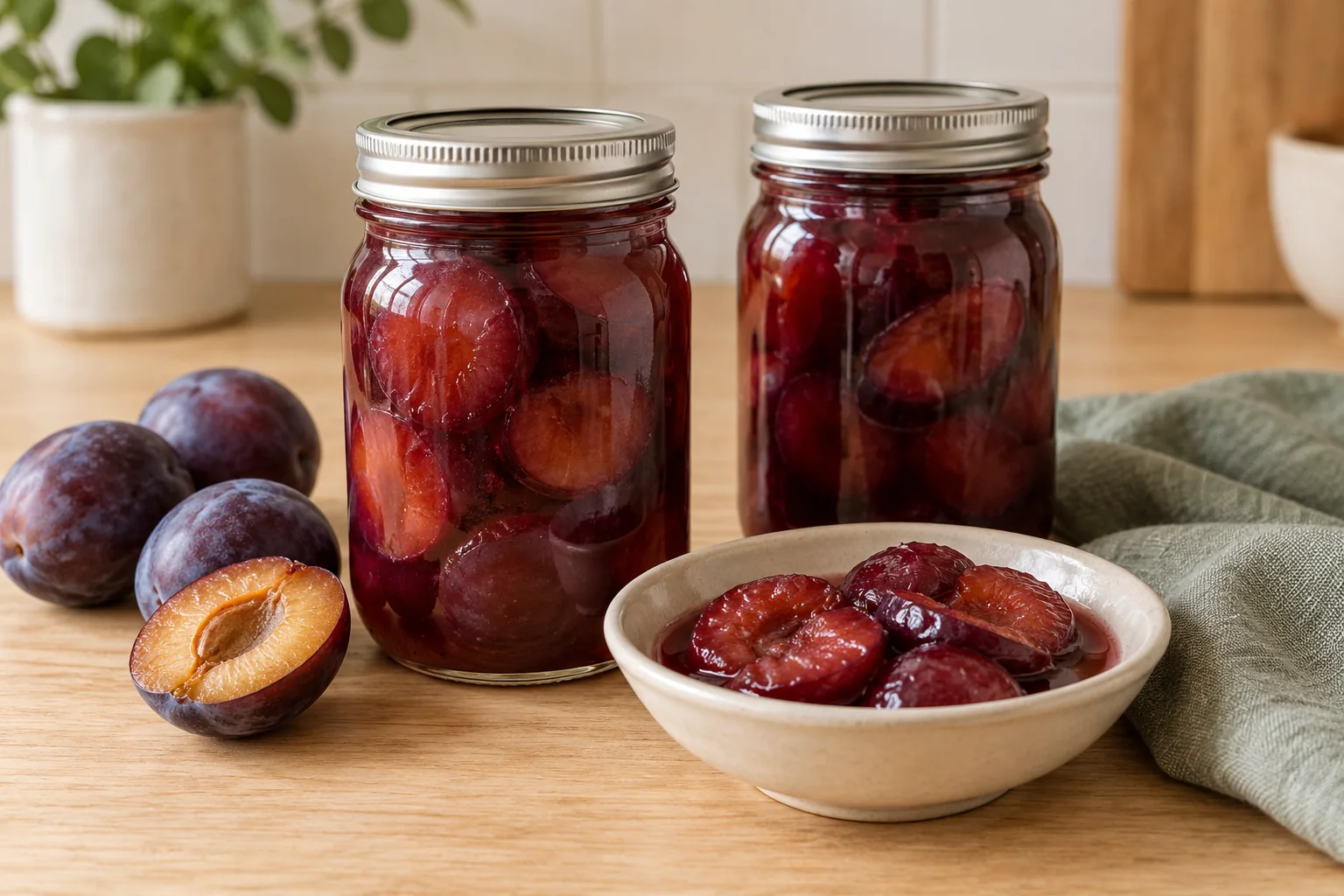
Fruit, properly acidified products, pickles, jams and other tested acid foods may use boiling-water processing when the recipe specifies it.
Low-acid foods
Vegetables, meats, poultry and other low-acid foods require pressure canning when preserved as shelf-stable foods.
PREPARATION
Set up the canner, jars and ingredients before filling
Read the complete tested recipe before you start. Confirm the exact jar size, whether the recipe uses hot pack or raw pack, the required headspace, the canner type and the altitude-adjusted process.
Inspect jars for chips or cracks, prepare lids according to the current manufacturer directions, and keep your work area organized so the filled jars can move directly into the correct canner.
SAFETY LOCK
A sealed lid is not the safety test
A vacuum seal only tells you that the lid sealed. It does not prove that the food received the tested heat process required for safe shelf-stable storage.
Do not substitute open-kettle, oven, microwave or dishwasher canning for a validated process. For pressure canning, use a pressure canner and follow both the tested recipe and the current canner instructions.
PROCESS
How to can food at home: 7 steps
Choose the food and a tested recipe
Start with a current research-based recipe that covers the exact food you want to preserve.
Match the correct method
Use boiling-water or pressure canning only as the tested recipe specifies.
Prepare canner, jars and food
Set up the canner, inspect jars, prepare lids and prepare ingredients exactly as directed.
Fill to recipe-specific headspace
Pack the food as directed, remove bubbles where instructed and keep the jar rim clean.
Process exactly as directed
Start timing at the correct point and use the recipe-specific time, pressure and altitude adjustment.
Cool jars undisturbed
Let jars cool naturally. Do not force-cool a pressure canner or retighten bands while jars are cooling.
Check seals, label and store
After the recommended cooling period, check seals, remove bands where appropriate, label the jars and store them properly.
BATCH PASS
Six checks before you process
One batch, one tested system.
STORAGE
Cool, check the seal, label and store
Let processed jars cool undisturbed for the period specified by authoritative guidance — commonly 12 to 24 hours before seal checks. A properly sealed lid should stay down and not flex when tested according to the lid/system guidance.
Label jars with the contents and date and keep them in a clean, cool, dry, dark place. If a jar is leaking, bulging, spurts liquid, has mold or otherwise looks suspicious, do not taste the food to decide whether it is safe.
| Checkpoint | What to confirm | Why it matters |
|---|---|---|
| Cooling | Undisturbed cooling before seal checks | Prevents false checks and seal disturbance |
| Seal | Lid remains sealed after cooling | Identifies jars that need a different storage decision |
| Label | Contents and processing date | Keeps pantry rotation clear |
| Storage | Cool, dry, dark location | Protects quality and makes inspection easier |
METHOD ROUTES
Water-bath, pressure and tomato-specific paths
Acid foods
Use the exact process from a tested acid-food recipe, including jar size, headspace and altitude-adjusted time.
Low-acid foods
Use the pressure canner procedure and the tested recipe's time/pressure for your canner type and elevation.
Follow required acidification
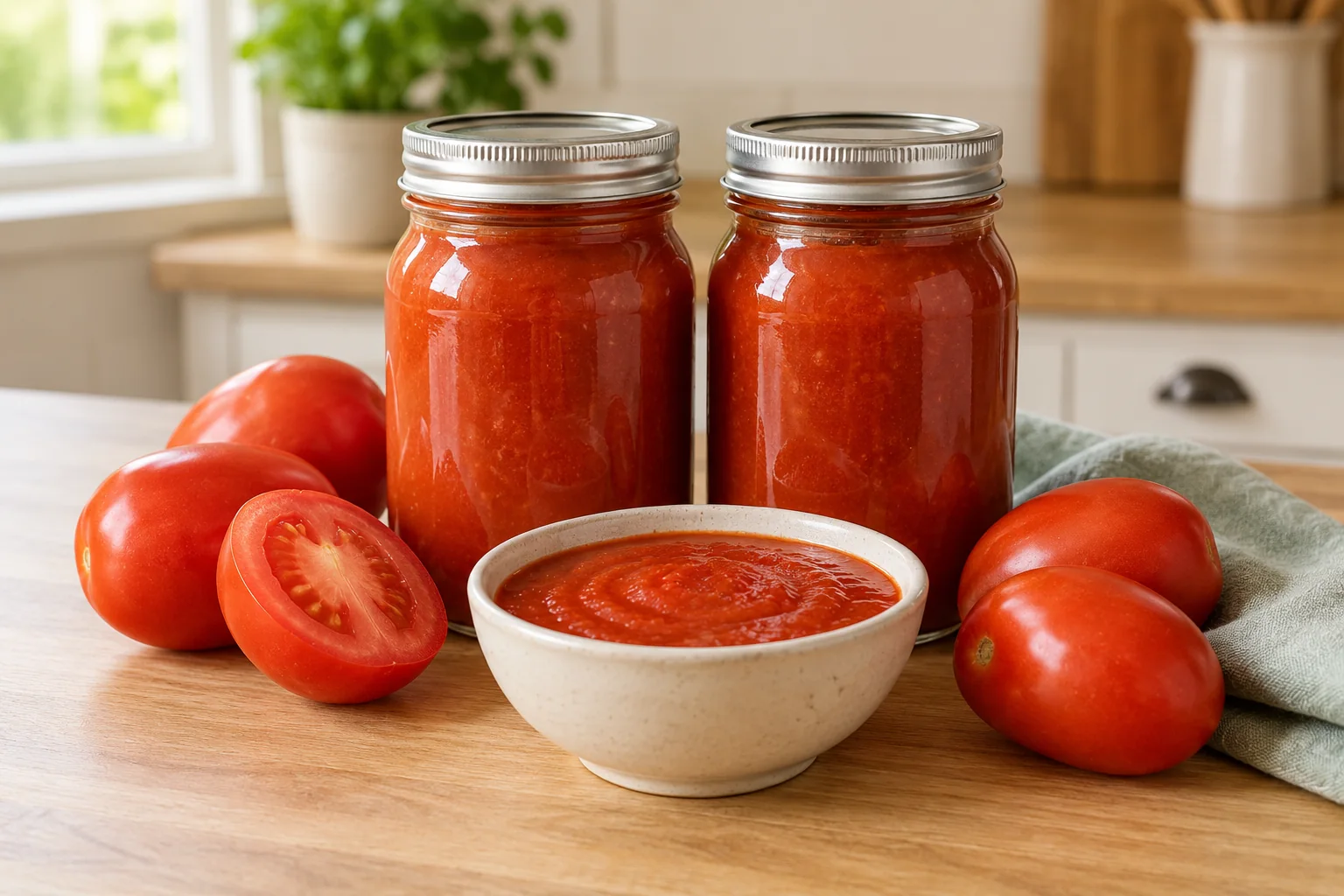
Tomato recipes can include recipe-specific acidification. Do not skip it because you changed canner type.
EQUIPMENT
Canning equipment that matches the method
Affiliate disclosure: The following product links are Amazon affiliate links. As an Amazon Associate we earn from qualifying purchases. Your price stays the same. Product listings can change; verify the exact current listing before ordering.
 FEATURED PRESSURE CANNER
Presto 01781 · 23-Quart Pressure Canner*
Best for: tested low-acid canning projects. Use the tested recipe and current canner instructions together.
View on Amazon →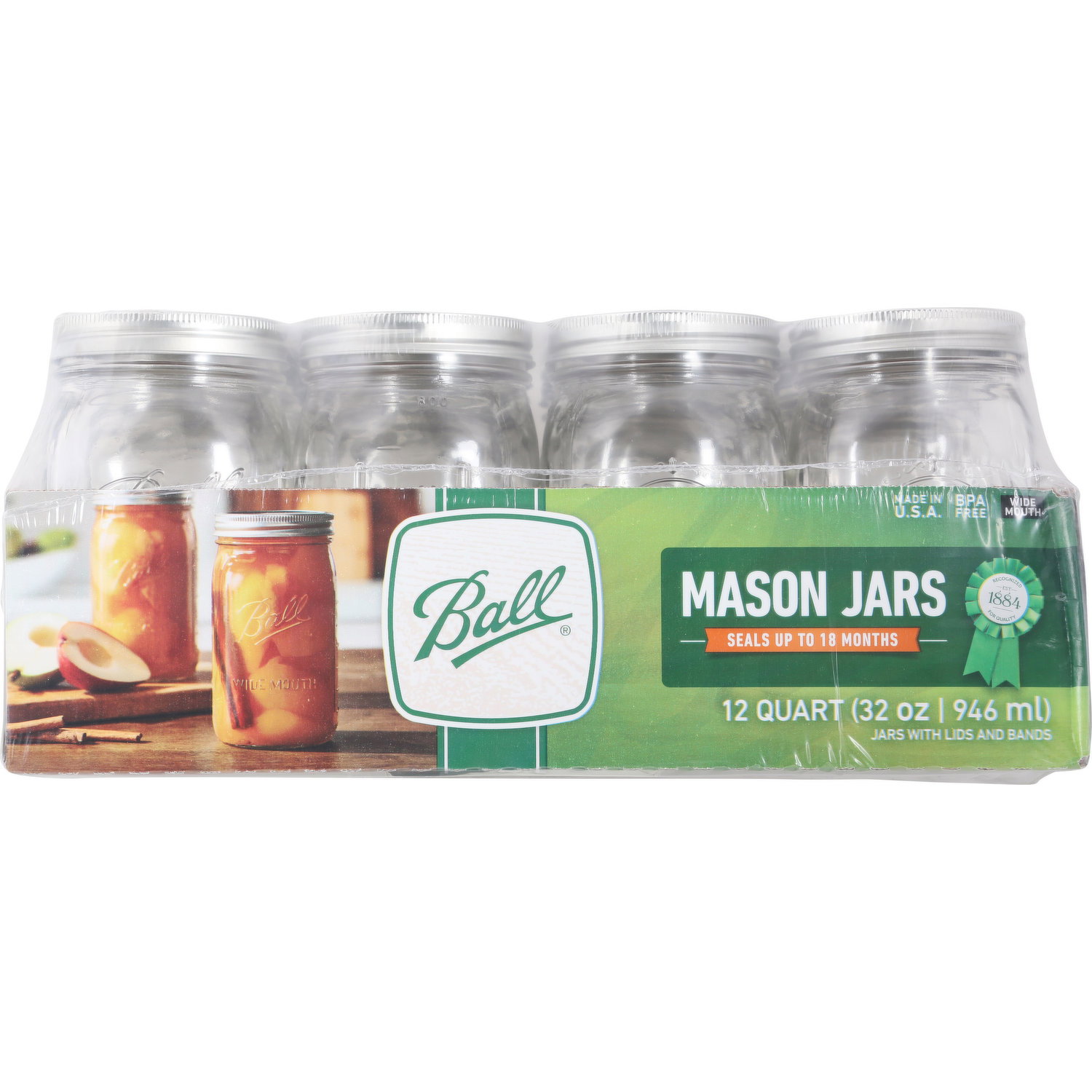 QUART JARS
Ball Wide-Mouth 32-oz Mason Jars*
Quart jars for recipes that specifically allow this jar size.
View on Amazon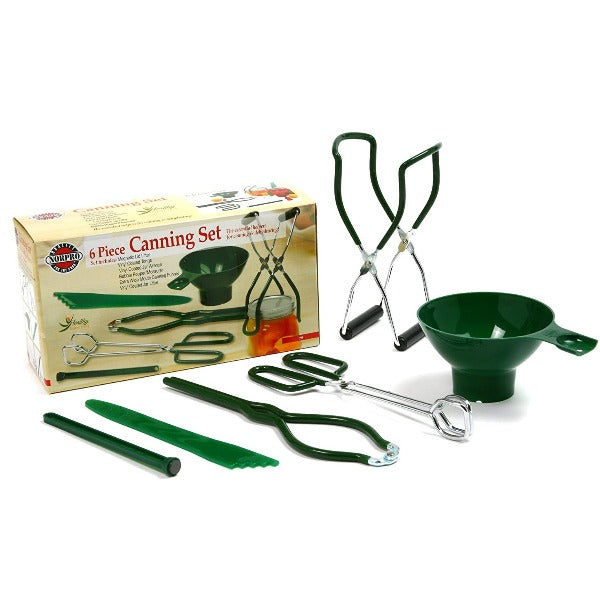 HAND TOOLS
Norpro Canning Essentials Set*
Jar-handling and filling tools for a basic canning workflow.
View on AmazonAffiliate links · Your price stays the same.
Additional equipment for this workflow
 WATER-BATH SET
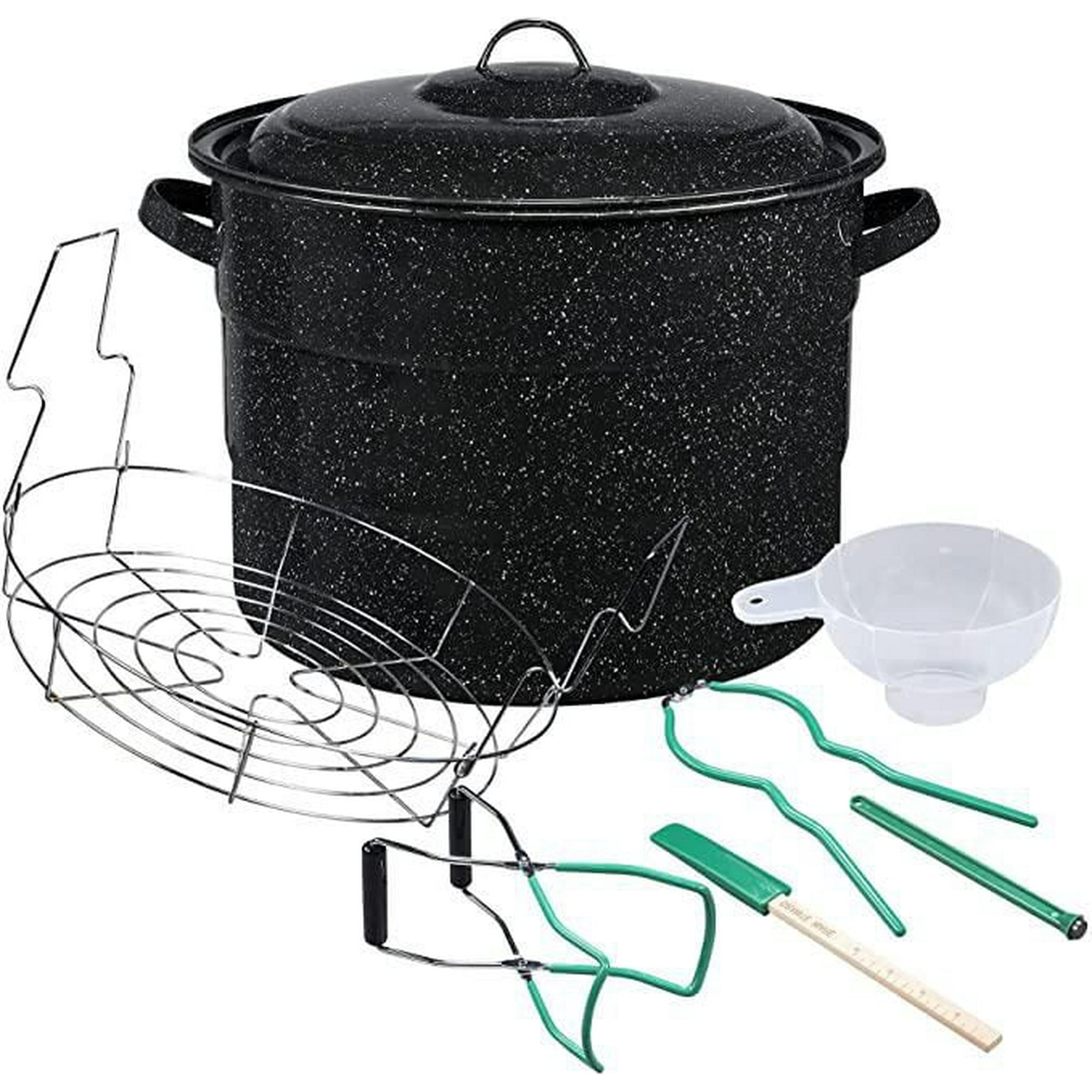
Granite Ware Water-Bath Canner Set*
Pot, rack and basic tools for tested boiling-water recipes.
View on Amazon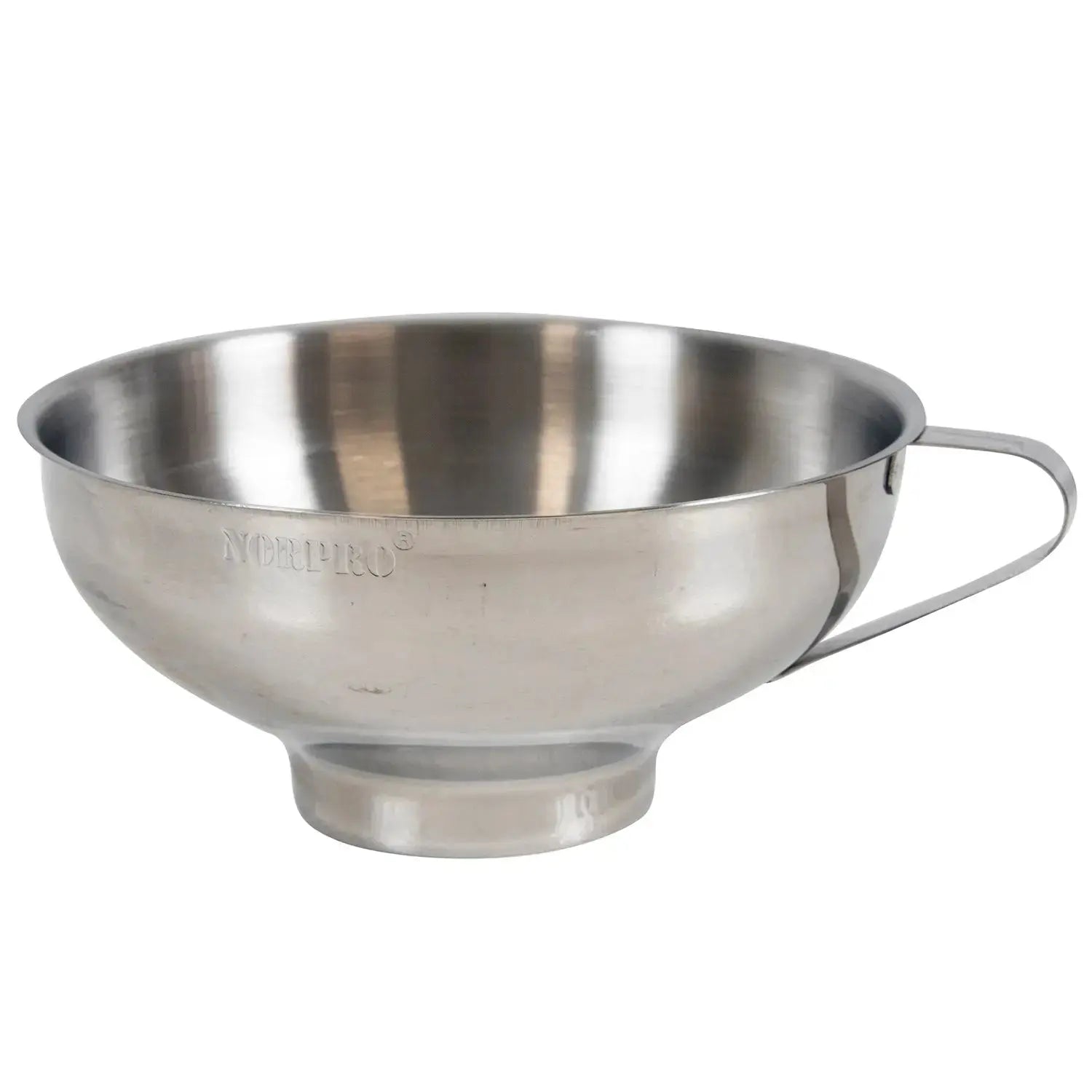 FILL CLEANLY
Norpro Stainless-Steel Funnel*
A wide funnel for cleaner jar filling.
View on Amazon REFERENCE BOOK
Ball Complete Book of Home Preserving*
A broad preserving reference; cross-check current safety-critical values.
View on AmazonAffiliate links · Your price stays the same.
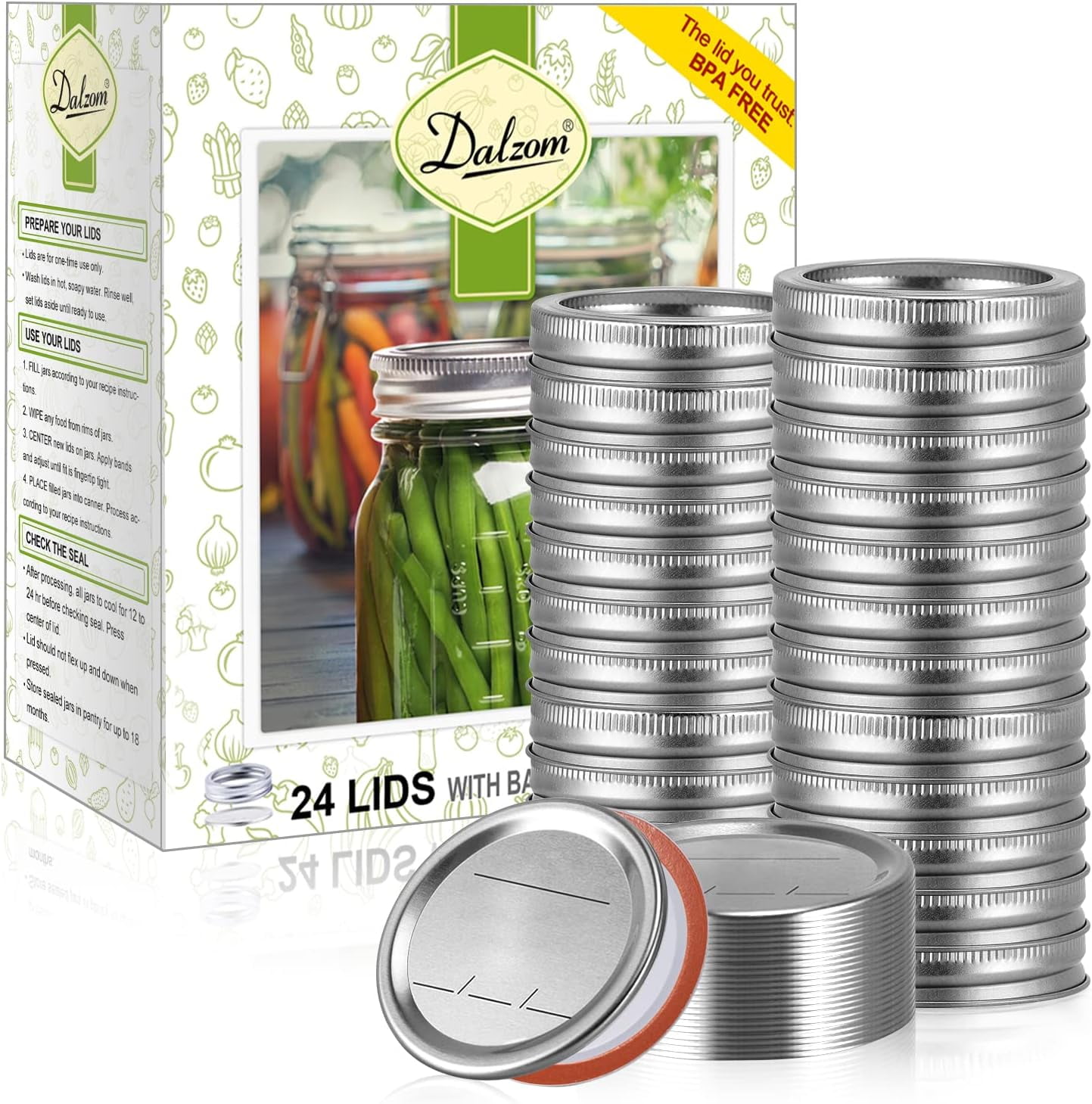
These regular-mouth lids do not fit the wide-mouth Ball jars above. Use only lids and bands that match your exact jar mouth and follow their manufacturer instructions.
 REPLACEMENT LIDS
Dalzom Regular-Mouth Lids & Rings*
Replacement lids and bands; verify exact jar compatibility.
View on AmazonFAQ
Canning for beginners: common questions
Do I need a pressure canner?
You need a pressure canner for low-acid foods when the tested recipe requires pressure canning. A tested acid-food recipe may instead specify boiling-water processing.
Can I use a pressure cooker or multicooker?
Do not assume a small pressure cooker or multicooker can be substituted for a pressure canner process. Use equipment and instructions that match the tested canning process.
Do canning jars need to be sterilized first?
That depends on the specific process. Follow the tested recipe and current NCHFP jar-preparation guidance rather than applying one universal rule to every canning project.
Can I reuse canning lids?
For two-piece systems, use flat lids according to the current lid manufacturer's directions. Do not reuse a single-use flat lid for another shelf-stable canning cycle.
Can vegetables be water-bath canned?
Plain low-acid vegetables are not made shelf stable with boiling-water canning. Use a tested pressure-canning recipe, or a separately tested acidified/pickled recipe when appropriate.
Is a sealed lid proof the food is safe?
No. A seal is one post-process check; it does not prove that an untested or incomplete process was safe.
SOURCES · SAFETY REFERENCES
Sources for method and safety limits
This guide intentionally avoids universal canning times or pressure values. Those numbers belong to the exact tested food, jar size, pack style, canner type and altitude.
METHOD SWITCH
Need a quick refrigerator preserve instead?
Quick pickling is a different route with a different storage boundary.
Open Quick Pickling →