Too much zucchini: plan meals before jars
A basket of zucchini creates pressure to preserve everything at once. Begin by sorting what is fresh enough for the recipes you want and choosing the meals you expect to make. A tomato mixture for winter cooking, a sweet preserve and dried zucchini pieces will serve very different purposes.
Set aside a practical amount for dinner and divide the rest between supported methods. Your household may get more use from modest portions in several formats than a large batch of one unfamiliar preserve. Write the intended dish on each batch plan. The aim is usable food, not simply an empty produce basket by the end of the afternoon.
Why is plain zucchini not the starting recipe?
The NCHFP vegetable-canning FAQ explains that old recommendations for summer squash were withdrawn because the original process documentation could not be supported. Cooked squash softens and can pack densely, affecting heating. A timer borrowed from carrots or pumpkin cannot resolve that gap.
The useful distinction is between plain squash and an identified tested zucchini preparation. “Contains zucchini” does not mean every recipe has the same canning method. Check the recipe title and ingredient list together. If the jar you want is simply zucchini and water, use an appropriate freezing or drying method instead of searching for a longer processing time.
A savory pantry route: tomatoes with zucchini
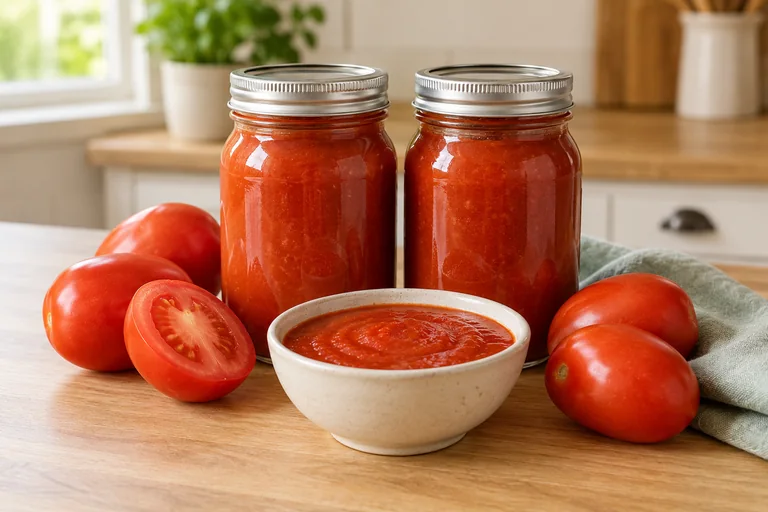
NCHFP’s Tomatoes with Okra or Zucchini is a defined pressure-canning recipe. It specifies the tomato-to-zucchini quantities, preparation, hot pack, headspace and pressure tables. The presence of tomatoes does not turn this particular mixture into a water-bath recipe; the source explicitly requires pressure canning.
Choose it if a tomato-and-vegetable base suits the meals you cook. Read the complete source before buying ingredients, and do not add a different vegetable mixture or turn it into a thick pasta sauce. After opening a correctly processed jar, you can complete your meal with the other ingredients you enjoy. Keep the canned base and the finished dinner as two separate stages.
A sweet alternative: zucchini-pineapple
The NCHFP Zucchini-Pineapple recipe is another distinct option. It uses peeled zucchini with specified pineapple juice, bottled lemon juice and sugar, followed by its own boiling-water process. It is not a universal way to make any squash mixture safe by adding fruit juice.
Consider whether you want this style of preserve before committing a whole harvest to it. Read the recipe’s yield and permitted jar sizes, then plan how you would serve an opened jar. Keep the bottled lemon juice and the other quantities as written. A savory dinner jar and this sweet preparation should not share a homemade hybrid formula.
Which jars and tools should you prepare?
Choose the recipe first and put only the corresponding jars on the work surface. The tomato mixture and the zucchini-pineapple recipe do not provide identical jar-size choices. A jar you already own may be useful elsewhere without being suitable for the selected process.
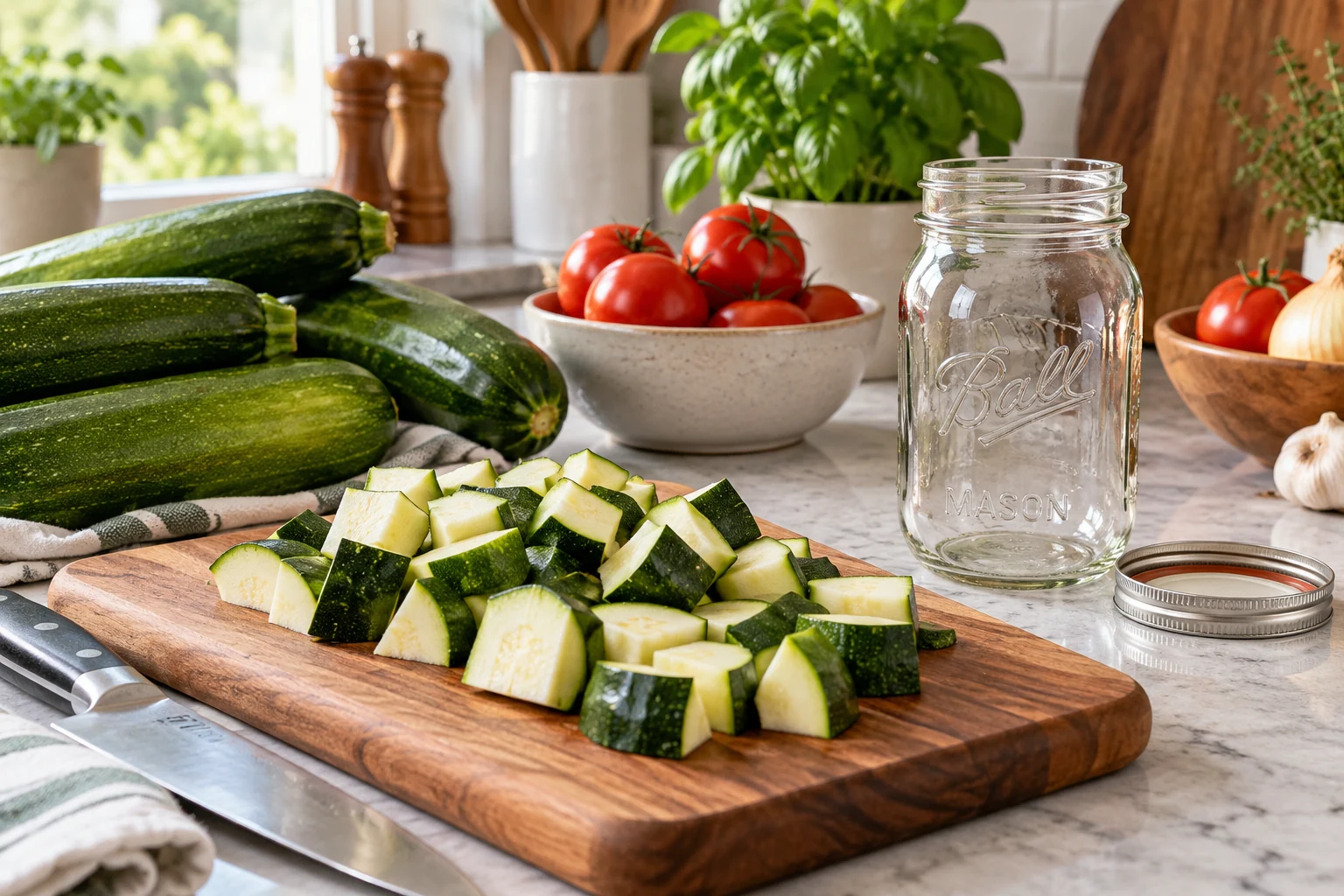
You will need ordinary preparation tools as well as the correct canner: a stable board, a sharp knife, measuring equipment, a saucepan and a safe place for filled jars. Check the canner’s rack and instructions before chopping. Finding a missing rack after the food is hot creates needless pressure to improvise.
Equipment follows your zucchini recipe
The pressure canner belongs to the tested tomato-and-zucchini route. A canning tool set supports jar handling; jars must match the exact size offered by the recipe.
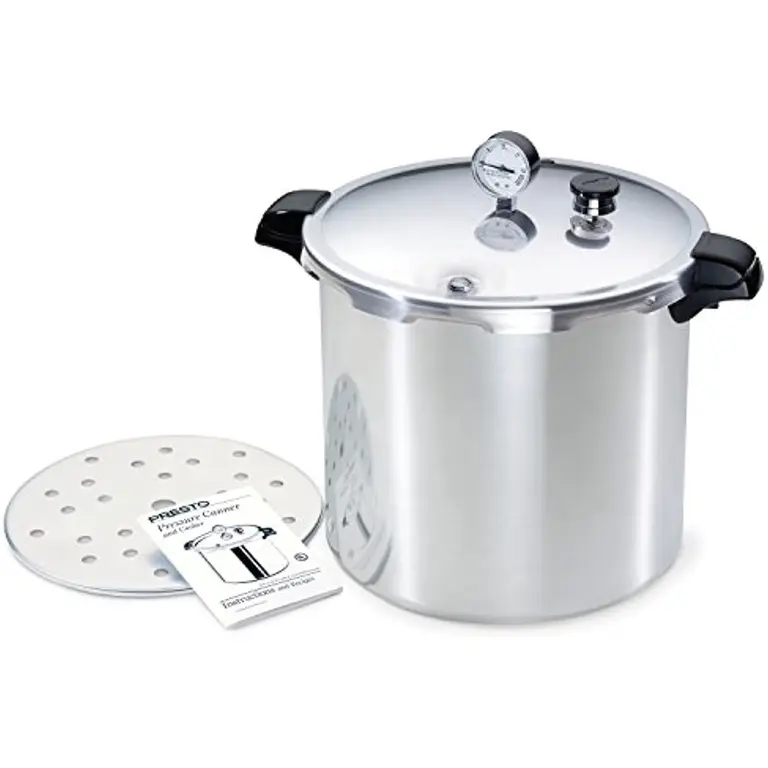
Presto 01781 · 23-Quart Pressure Canner
For the tested tomato-and-zucchini pressure-canning route described above. Match the exact manual and range; this canner does not provide a process for plain zucchini.
View on Amazon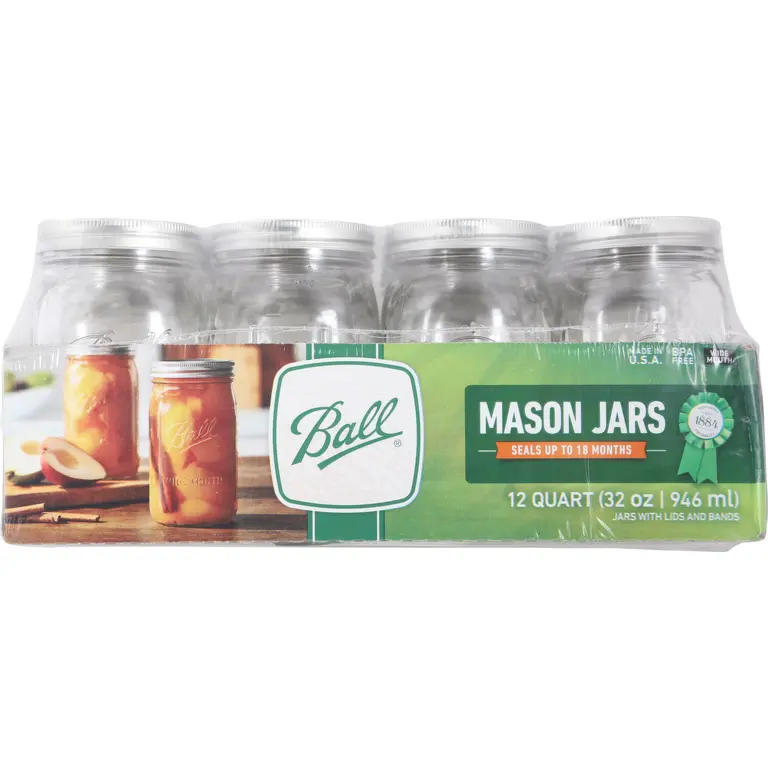
Ball Wide-Mouth 32-oz Mason Jars
Use only for the recipes that explicitly provide a quart process; not every zucchini preserve does.
View on Amazon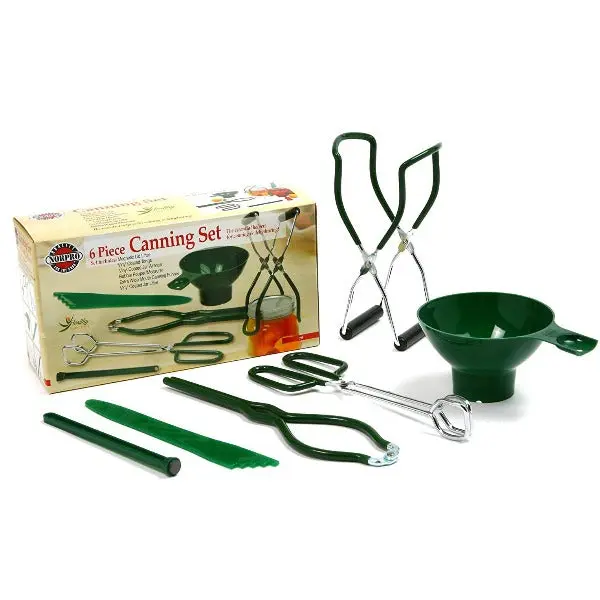
Norpro Canning Essentials Set
Basic filling and lifting tools for a planned canning session.
View on AmazonAffiliate links · Your price stays the same.
Check the exact jar size and canner compatibility before buying. The recipe determines the method; an accessory cannot make an unsupported process suitable for pantry storage.
Choose your zucchini-preserving route in seven steps
Choose the meal
Decide whether you want a savory tomato base, a sweet preserve, frozen squash or a dried cooking ingredient.
Identify the complete method
Open a current tested recipe rather than a time chart detached from its ingredients.
Compare the full quantities
Check produce, liquid, acid and sugar requirements before buying or cutting.
Match jars and equipment
Use the recipe-supported container size and its specified water-bath or pressure-canning method.
Prepare exactly for that recipe
Keep peeling, cutting, preheating and packing directions with the process that follows them.
Use the complete processing instructions
Follow the source table for your jar, pack, gauge and elevation; do not combine schedules.
Record and store by method
Label the finished food and date. Keep frozen, dried and canned products under their own storage rules.
Which changes should wait until serving?
Adding more squash to make a thicker jar, reducing acid to soften the flavor or adding an unlisted starchy ingredient changes more than taste. Keep those dinner adjustments for after opening the safely prepared preserve. It is easier to season a saucepan of food than to prove a new heat process at home.
If the recipe does not sound like something you want to eat, choose another preservation route. You do not need to force a familiar zucchini casserole or pasta sauce into a canning formula. Freezing a suitable cooked dish can preserve the recipe you like without pretending that a different tested process covers it.
Preserving zucchini without a vinegar flavor
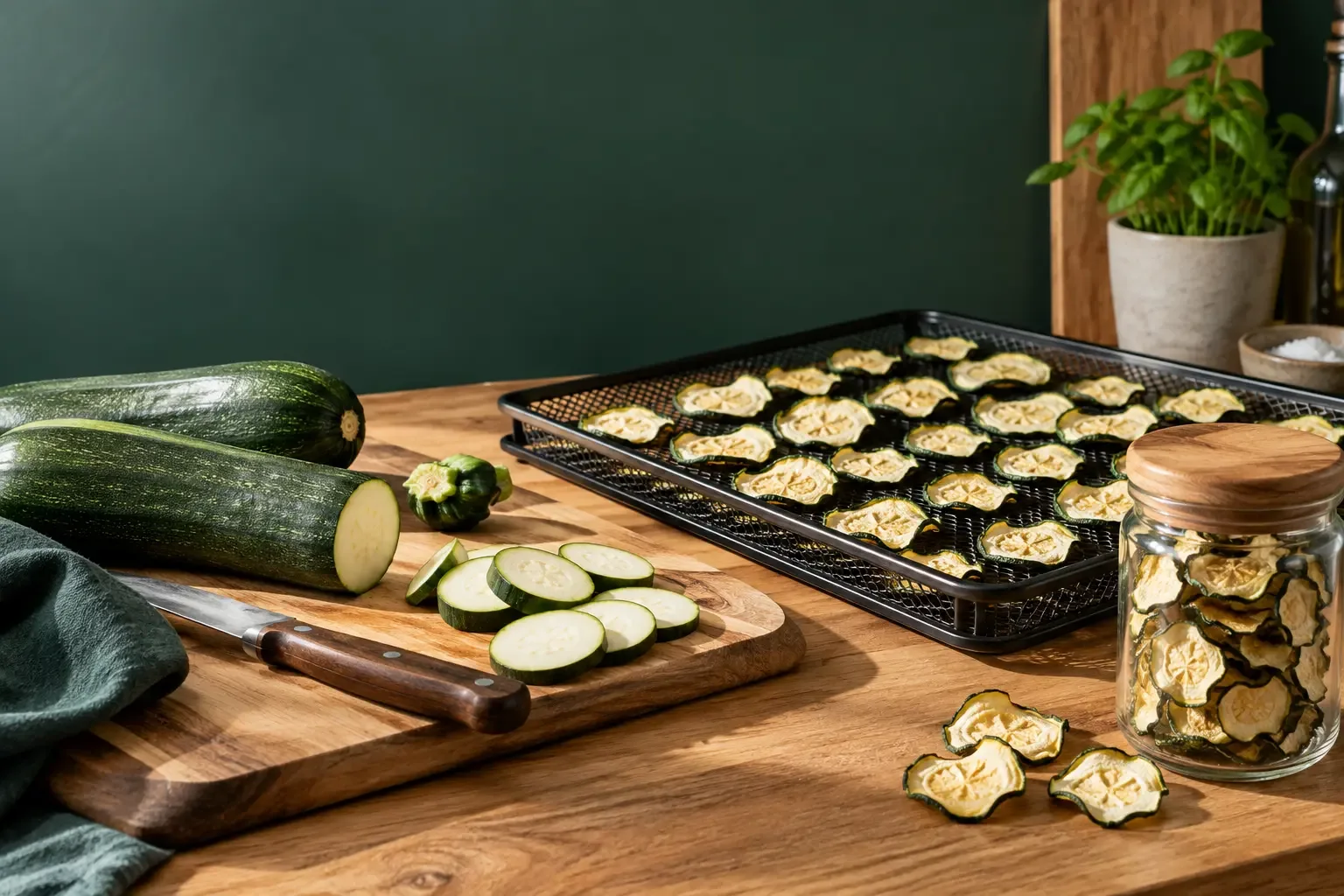
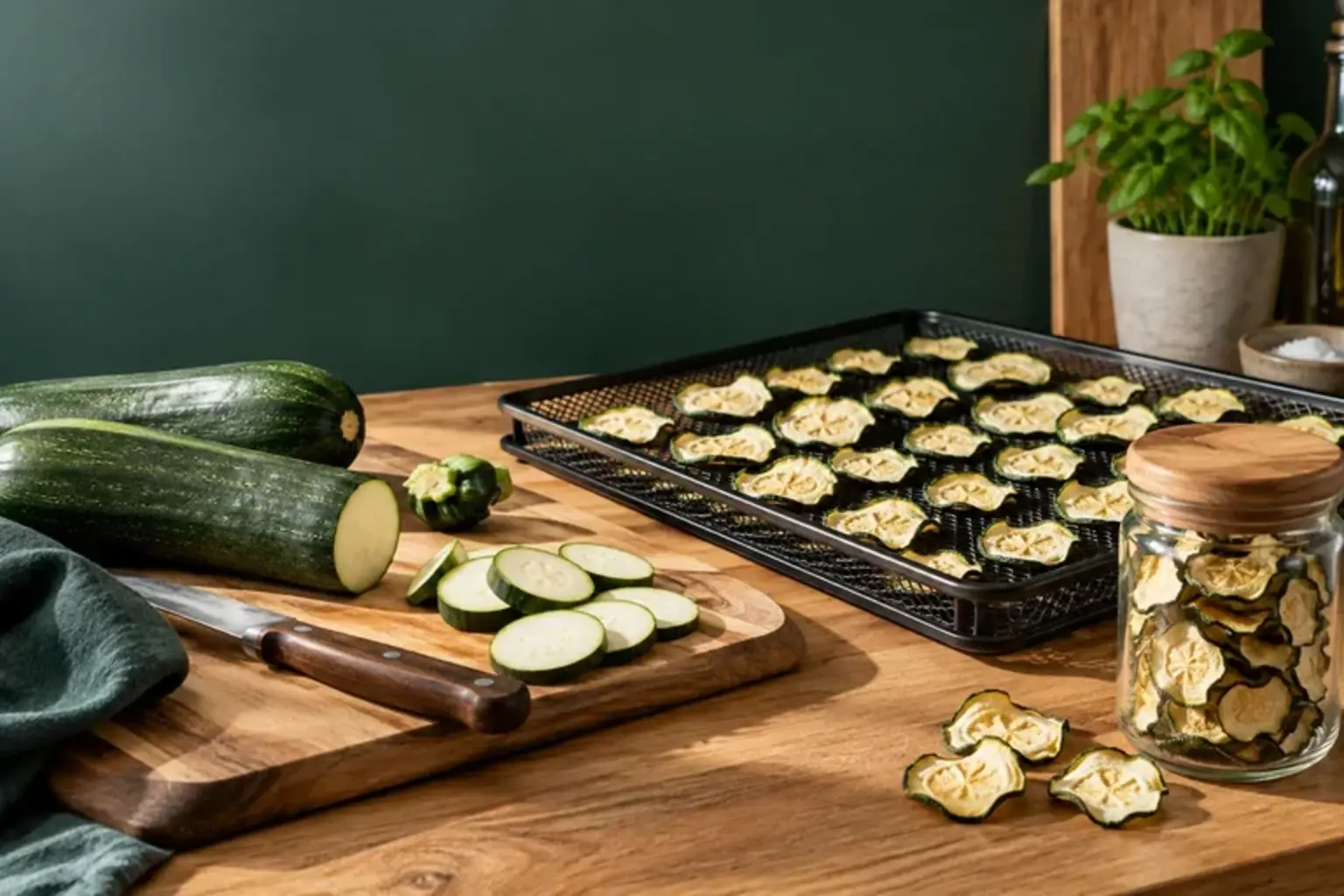
Drying can provide a small cooking ingredient for soups and sauces. Our zucchini-dehydration guide explains that separate project. Keep dried pieces as dried ingredients; do not seal them in jars with liquid and assume that the container has become a canned product.
Freezing is another route when you want a milder squash ingredient. Follow a suitable vegetable-freezing preparation and package in portions you will use. Make the package shape work for your freezer rather than buying containers at random. Label the intended use so the zucchini does not become an unidentified block months later.
What happens after a canning batch?
Use the source’s complete cooling and seal-check directions. A jar that did not receive a valid process is not made safe by sealing. If a properly processed jar has a closure problem, follow NCHFP’s guidance for failed seals and storage promptly; do not quietly place it beside the sound jars.
Keep a short record of the recipe and the actual process used. When you open the first jar, note whether its portion and flavor suit your meals. Those notes help you plan the next harvest without changing the tested formula. Rotate older jars forward and choose storage that lets you see labels easily.
Questions about canning zucchini
Can I pressure-can plain zucchini if I process it longer?
No supported plain-zucchini time is supplied here. A longer guessed process does not replace the withdrawn USDA recommendations.
Can I use the pumpkin-cube recipe?
No. Zucchini is summer squash. The pumpkin and winter-squash process does not cover it.
Does adding tomatoes make zucchini suitable for a water bath?
Not automatically. The NCHFP tomatoes-with-zucchini recipe is specifically pressure canned. Use its complete method.
Can I use a German chutney recipe with a US canning time?
Do not combine recipes and processes. Use one complete tested method with its original ingredients and container instructions.
Can I can zucchini bread or a favorite casserole?
This guide establishes no process for either. Preserve an appropriate preparation by freezing rather than guessing a jar process.
What should I do if I only have a water-bath canner?
Choose a tested recipe that specifically uses that method, such as the linked zucchini-pineapple preparation, or use freezing or drying.
Sources and editorial notes
Written for US home canning using the primary sources below, checked on September 11, 2026. These are editorial explanations, not an independently tested recipe or product trial. Product options are compared by their stated function and fit for this guide; they have not been tested by Einfach Haltbar. Accuracy cannot be guaranteed; verify the complete current source instructions before preserving food.
- NCHFP: Vegetables and Fruits Canning FAQs
- NCHFP: Tomatoes with Okra or Zucchini
- NCHFP: Zucchini-Pineapple
- NCHFP: Using Pressure Canners
- NCHFP: Storing Home Canned Foods
AI-generated contextual illustration; not a photograph of our recipe or appliance tests.