Ingredients for a small refrigerator batch
Plain cooked beets make this a practical lunch-prep recipe. You can cook fresh beets yourself or use a freshly opened package of plain cooked beets. Skip products already dressed in vinegar or seasoned as a salad: they bring a different balance of acid and sweetness.
You need a knife, a stable cutting board, a small saucepan and clean food-safe containers. A pressure canner, vacuum sealer and fermentation airlock are not part of this method. Keep the batch small enough to enjoy soon rather than filling a large pantry jar.
- 1 lb / about 450 g cooked, peeled plain beets, without a marinade
- 1 US cup / about 240 mL white distilled or apple cider vinegar labeled 5% acidity
- ½ US cup / about 120 mL water
- 2 tablespoons / about 25 g granulated sugar
- ½ teaspoon / about 3 g fine table or pickling salt; not coarse kosher salt by volume
- optional a few whole peppercorns
One small batch. Have two clean pint-size jars available; the final fill depends on the cut and packing. Jar ounces here describe container volume, not beet weight.
Allow about 15 minutes of hands-on work with already-cooked beets, then about 2 hours of refrigerator time. These are planning estimates, not measured test-kitchen results.
Choose the beets and cut them evenly
For the shortest route, use plain ready-cooked beets and check the package instructions before opening. Weigh the drained beets rather than measuring a loosely filled cup of pieces.
Starting from fresh? Wash the beets and cook them whole in water until a knife slides in easily. Cooking time depends on their size. Let them cool only enough to handle, remove the skins and use fresh water for the brine rather than the beet cooking liquid.
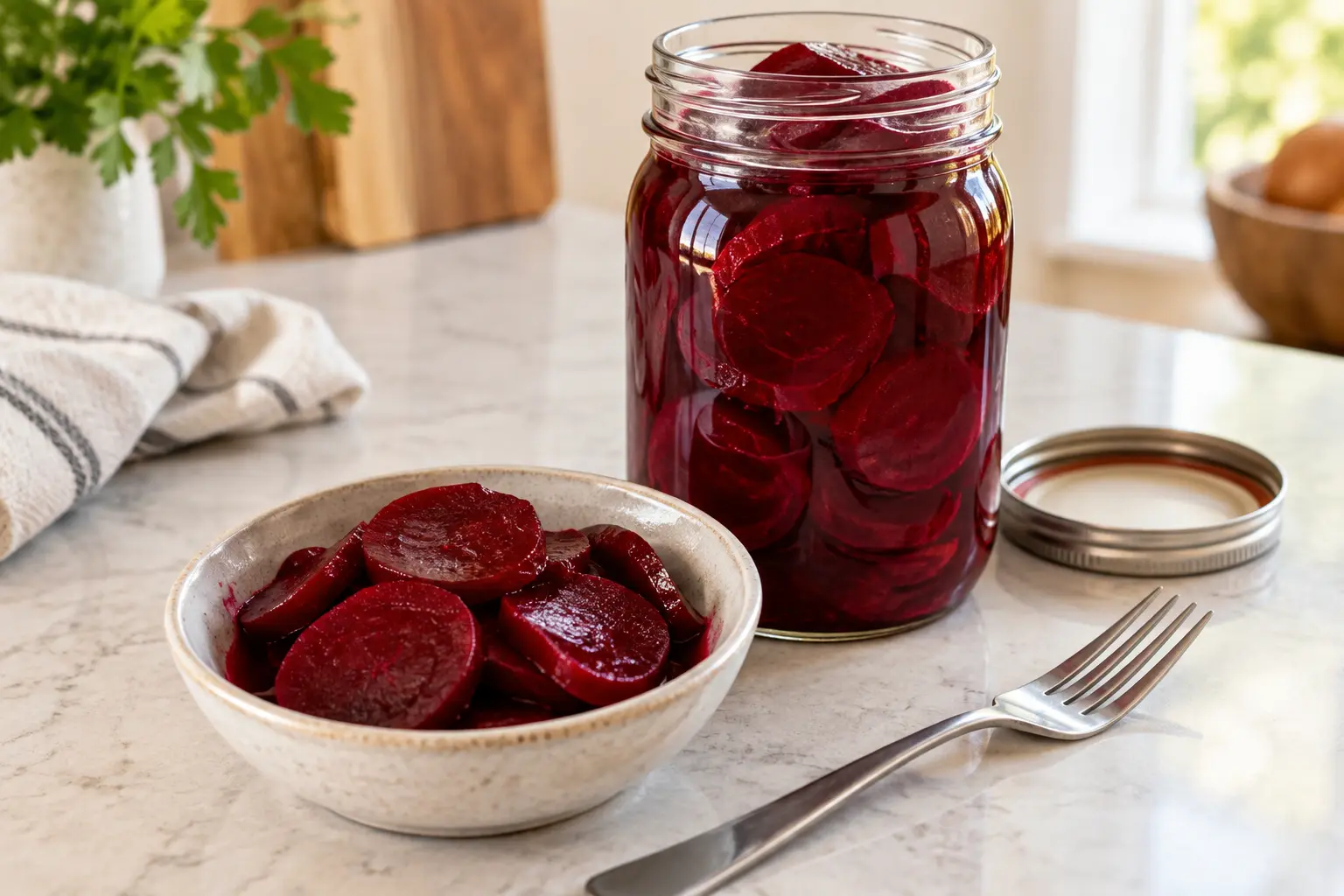
Cut larger beets in half, then slice into half-moons about ⅛–3⁄16 inch thick, roughly 3–5 mm. An even cut makes the pieces easier to portion. Very thin slices of soft beets can break apart; thick chunks give a different bite.
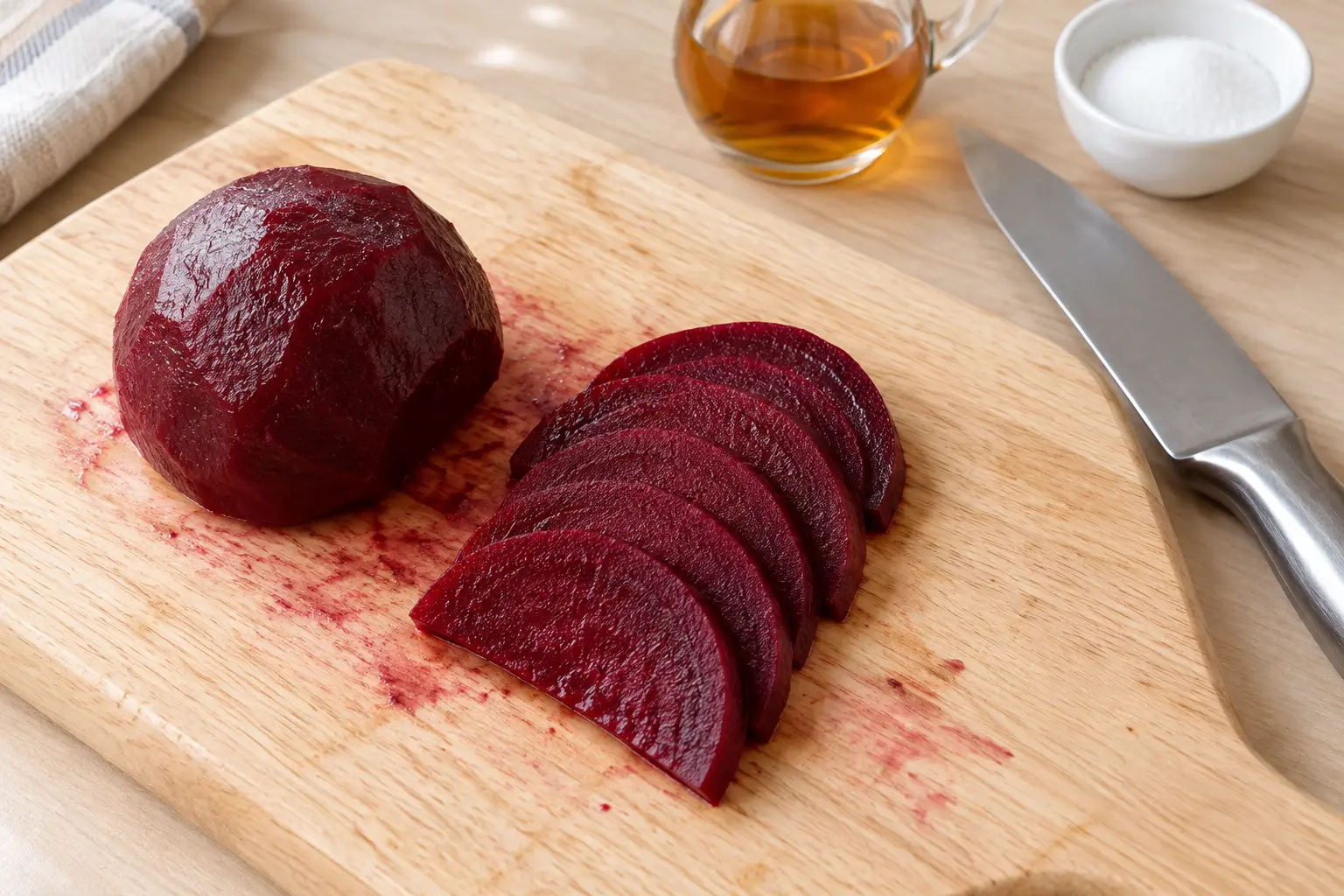
How to make quick pickled beets
Prepare clean containers
Wash your hands, board, knife and containers. Use sound food-safe jars suitable for warm food and follow the jar maker's temperature guidance. Do not pour boiling liquid into a cold jar.
Slice the cooked beets
Slice 1 lb of plain cooked, peeled beets into even rounds or half-moons. Keep track of when the beets were cooked or the purchased package was opened.
Heat the brine
Combine 1 cup of 5%-acidity vinegar, ½ cup water, 2 tablespoons sugar and ½ teaspoon fine salt in a small saucepan. Heat and stir until dissolved. Add a few whole peppercorns if using.
Fill small containers
Divide the beets loosely between the containers and cover with brine. If you need more liquid, make extra brine in the same proportions or use fewer beets per container; do not top up with plain water.
Chill promptly
Cool in small portions and refrigerate within two hours, or within one hour when the room is above 90°F. Store at 40°F / 4°C or below. Do not leave the batch out for hours waiting for it to become completely cold.
Let the flavor develop
Allow about two hours in the refrigerator before serving. This is a flavor guideline, not proof of safety. Keep the batch chilled and label it with the preparation date.
Serve with clean utensils
Take out only the portion you need, using a clean fork or spoon. Return the remaining jar to the refrigerator promptly and never put served leftovers back into it.
Choose your vinegar and keep the flavor simple
White distilled vinegar gives a direct, clean tang. Apple cider vinegar can add a fruitier note. For this formula, read the label and choose 5% acidity. Cleaning vinegar, homemade vinegar of unknown strength and concentrated vinegar are not direct substitutes.
The sugar is a starting point for flavor, not a claim of preservation. If you prefer less sweetness, reduce it in your next small refrigerator batch. Do not make the stored brine milder by adding extra water. Taste a cooled spoonful separately before deciding what you would change next time.
A few peppercorns keep the first batch straightforward. Try other seasonings on a serving portion first. There is no need to crowd the jar with multiple spices before you know how you like the basic beet-and-vinegar combination.
How long do these quick pickled beets keep?
This original refrigerator recipe has not undergone a shelf-life test. Our conservative plan is to use it within 48 hours of cooking the beets, treating it as a freshly prepared vegetable side. That short house rule draws on the Food Standards Agency's general leftover guidance; it is not a validated pickle storage period.
For store-bought cooked beets, follow any shorter package directions. If the beets were cooked yesterday, adding vinegar today does not give them a new two-day clock. Record the original preparation date as well as the date you added the brine.
Discard a batch with mold, slime, unexpected gas or an unusual odor. Normal appearance cannot confirm that a poorly stored food is safe. If the temperature history is uncertain, do not use a taste test to decide.
Ways to use your small batch
Add drained beet slices to a grain bowl with rice, beans and a mild dressing. Their tang can cut through a rich sandwich filling, and the color stands out against pale grains or a spoonful of plain yogurt. Add dairy, fresh greens and other finishing ingredients only to the portion you are serving.
For a simple lunch plate, pair the beets with cooked potatoes and a protein you already enjoy. Start with a few slices; a sharp condiment works best when it supports the rest of the meal. Drain excess brine before adding them to bread so your sandwich does not become soggy.
The small-batch approach also helps you learn what you like. You can compare a mild serving and a peppery serving without committing to a large jar that you may not finish promptly.
Fix the next batch, not the storage rules
- Beets are falling apart: Start with firmer cooked beets or cut slightly thicker. Already-cooked beets do not need a second long simmer in the brine.
- The flavor feels too sharp: Serve a drained portion with a mild accompaniment. Do not dilute the whole storage jar.
- Not enough brine: Use smaller containers, adjust the amount of beets per jar or make more brine at the same ratio.
- Red marks on the board: Clean promptly and choose a stable, easy-to-clean prep surface. Beet juice can color porous materials.
Quick pickling is not fermentation or canning
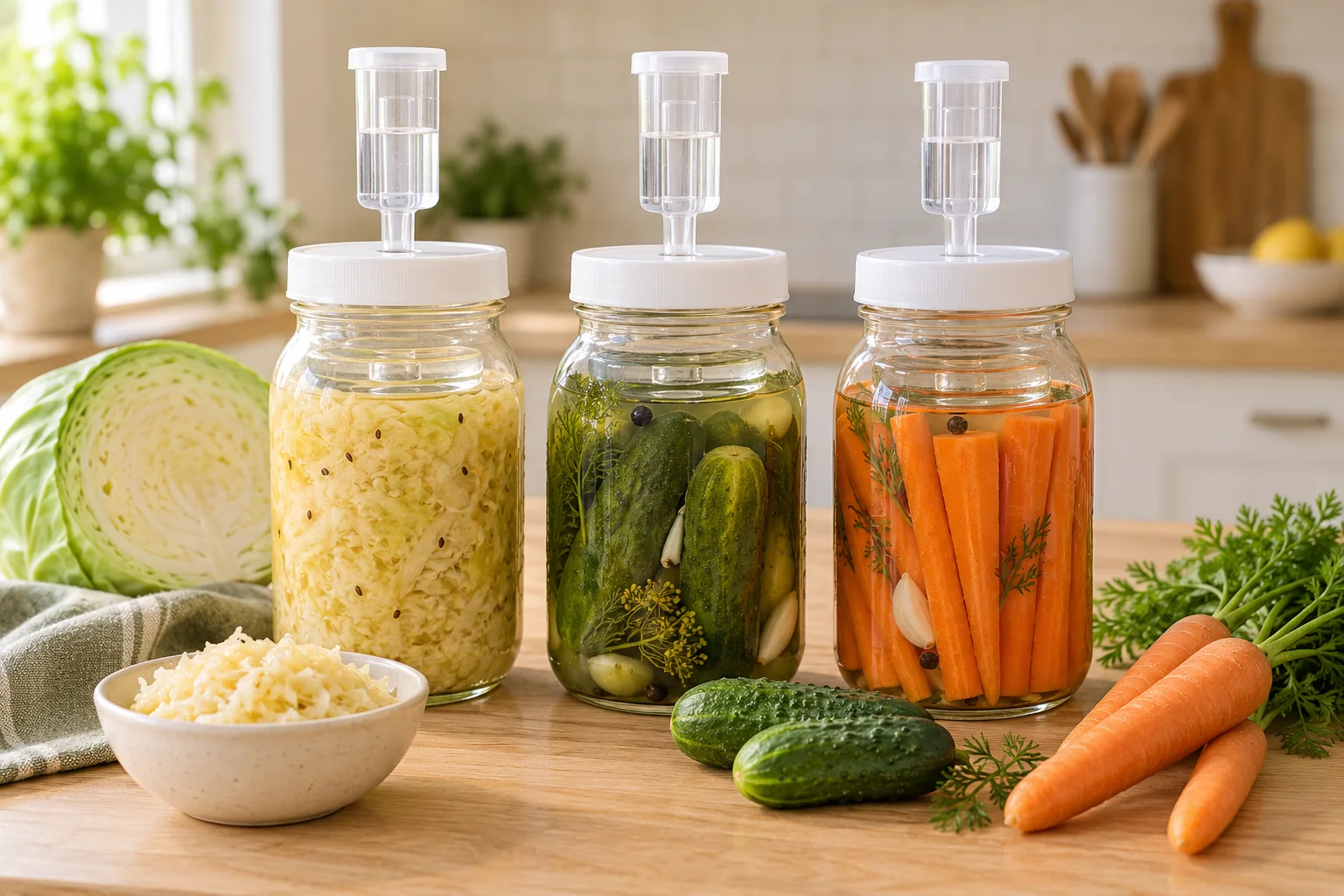
The acidity here comes from added vinegar, and the finished side stays refrigerated. Fermentation follows a different process. Leaving out the vinegar does not turn these instructions into a fermented-beet recipe.
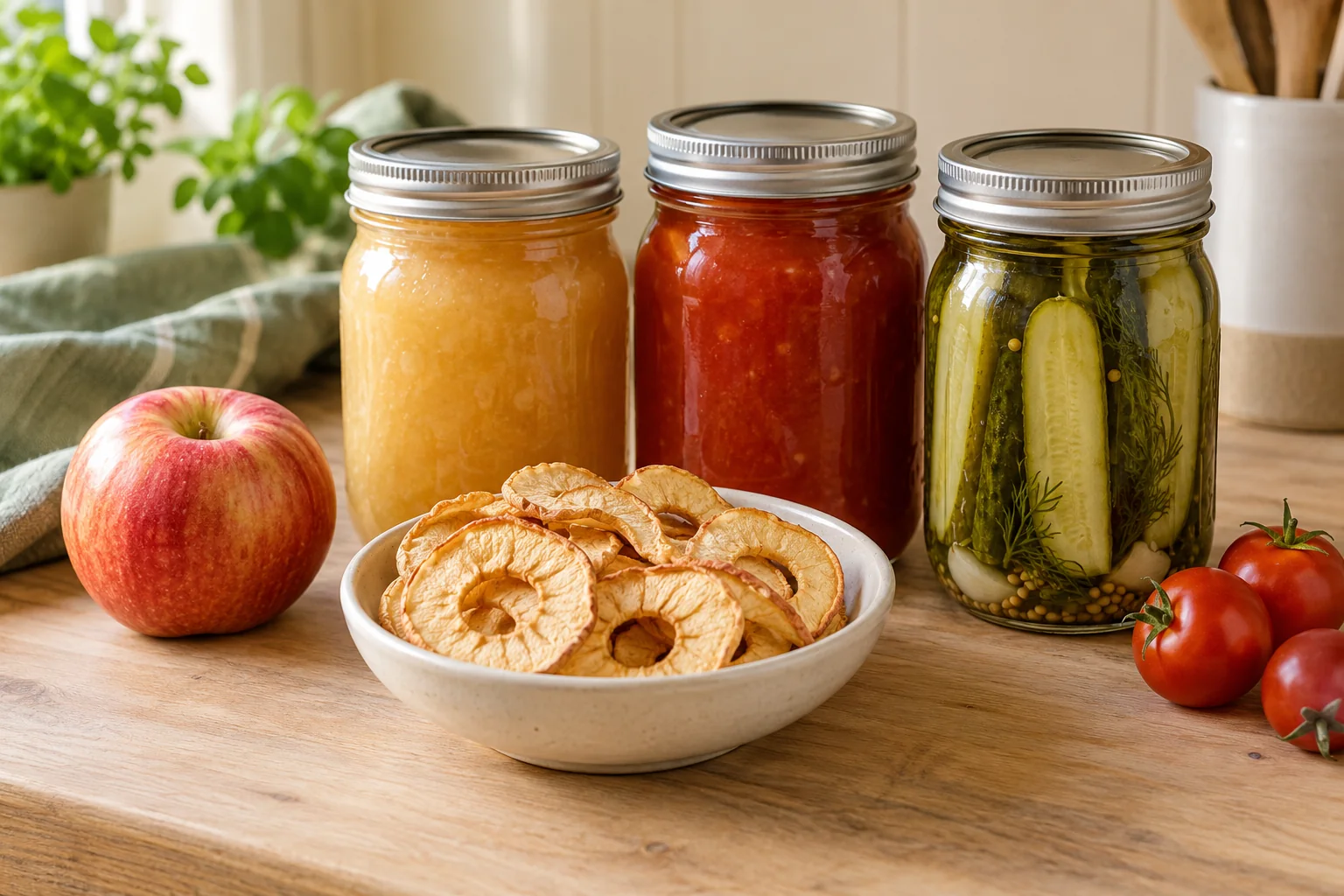
If you want jars for room-temperature pantry storage, choose a separately tested canning procedure. The NCHFP has a complete vinegar-pickled beet recipe with a boiling-water process. Its formulation and processing directions belong together; adding a canning step to our refrigerator formula does not reproduce it.
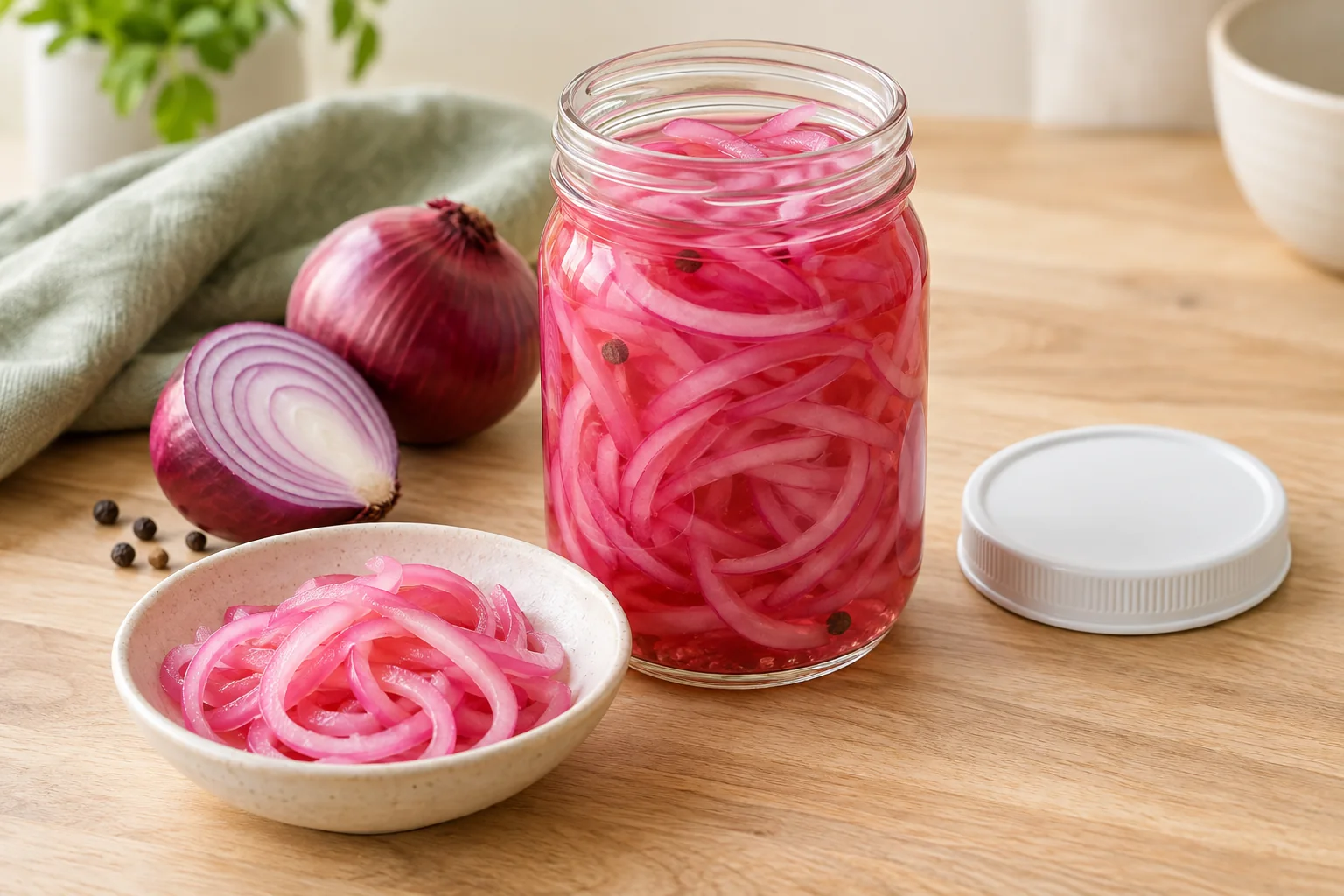
Browse the Quick Pickling hub for more refrigerator projects, or try Quick Pickled Red Onions for your next sandwich topping.
A jar and a good knife are enough
Use suitable equipment you already own. The two jar options below are alternatives; you do not need both. These links come from our existing US product collection, not a new hands-on test.

Ball Pint Mason Jars · 16 oz
Use two pint-size jars for the small batch, allowing room for the slices and brine. Refrigerator use only for this recipe.
View on Amazon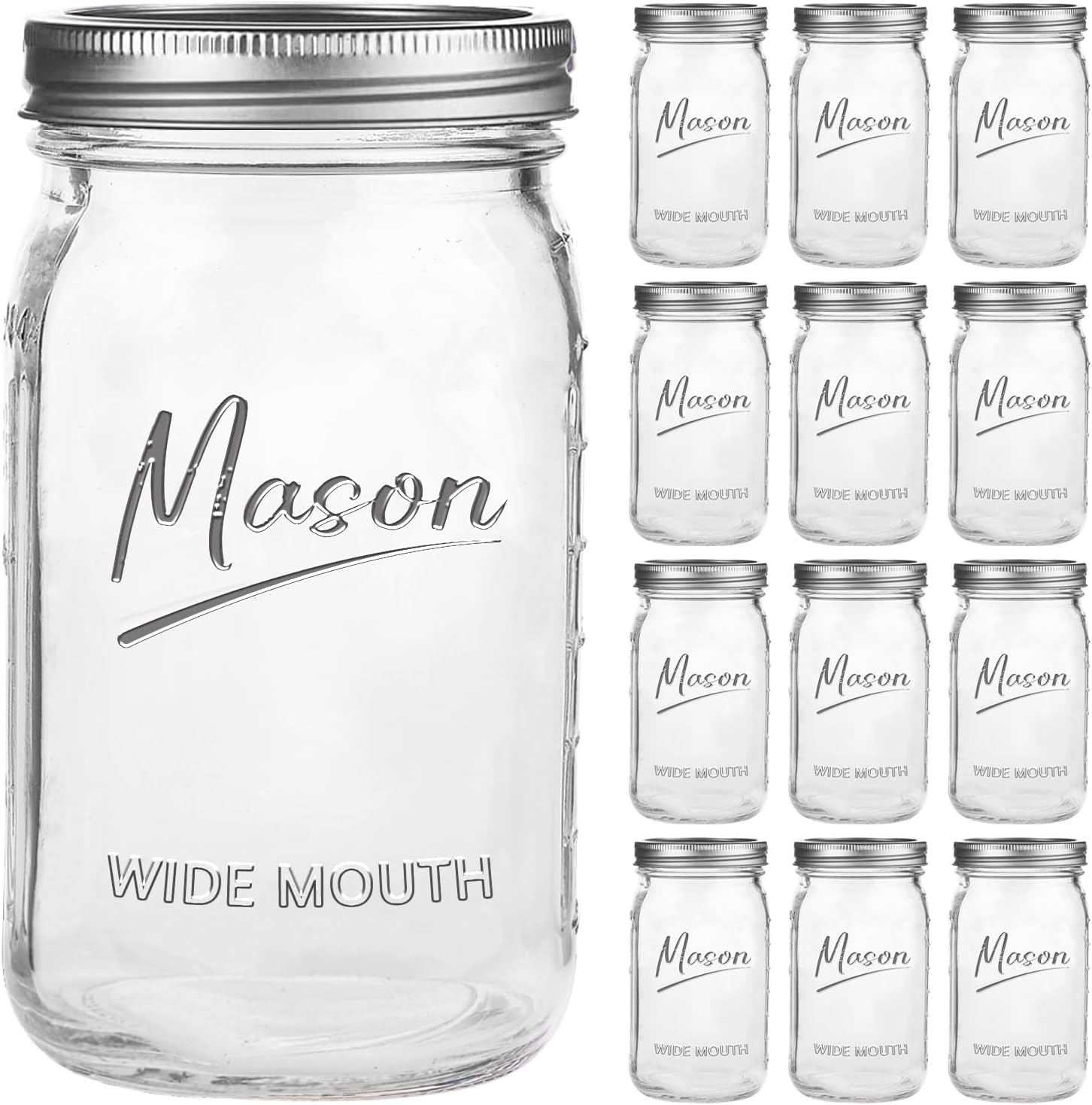
Wide-Mouth Mason Jars · 32 oz
A wider opening can make serving easier. Follow the container maker's heat guidance and cool the food promptly in small portions.
View on Amazon
imarku Santoku Knife · 7 in
A knife option for cutting cooked beets into even half-moons. Use a stable board and keep fingertips clear of the blade.
View on AmazonAffiliate links · Your price stays the same.
Questions about quick pickled beets
Can I use packaged cooked beets?
Yes. Choose plain cooked beets without an existing marinade, open the package fresh and follow any shorter storage directions on its label.
Can I use raw beets instead?
This recipe is written for cooked beets. Raw slices remain much firmer and are not an equivalent swap for the method described here.
Do I need to water-bath can the jars?
No. These are refrigerator pickles. Use a separate, fully tested recipe and process if you want shelf-stable jars.
Why not give a storage time of several weeks?
This exact formula has not had a shelf-life test. We use a short, conservative plan rather than borrowing a storage claim from a different pickle recipe.
Can I double the recipe?
Scale all ingredients proportionally, keep the portions small enough to cool promptly and only make as much as you can use within the short planned period.
Sources and editorial notes
This is an original refrigerator recipe, not the NCHFP canned-pickle recipe. The sources support the storage boundaries and method distinction, not a tested shelf life for this formula.
- FDA: Are You Storing Food Safely?
- Food Standards Agency: How to chill, freeze and defrost food safely
- NCHFP: Pickled Beets
AI-generated editorial food illustration; not a photograph of a completed recipe test.