What kind of pickles do you want to make?
“Pickling” describes more than one kitchen project. Before selecting a jar, decide whether you want a topping for this week’s meals, properly processed jars for the pantry, or the flavor of fermented vegetables. That choice determines which instructions to follow.
| Method | Good starting goal | Storage rule |
|---|---|---|
| Vinegar refrigerator pickles | One jar for sandwiches, bowls or snacks | Refrigerator only |
| Water-bath canned pickles | Pantry jars made with an appropriate tested recipe | Follow processing, seal and storage directions |
| Fermented pickles | A separate salt-controlled fermentation project | Follow that recipe’s fermentation and storage instructions |
This guide follows the first route. Some preservation resources use “quick-process” for vinegar pickles that are subsequently canned, so the word “quick” alone does not tell you where a jar belongs. Check the complete recipe. Minnesota Extension explains the method differences.
If pantry storage is your goal, begin with Canning for Beginners. If you want fermentation, use the Fermentation hub. Finish choosing a method before shopping for equipment.
Which vegetable should you pickle first?
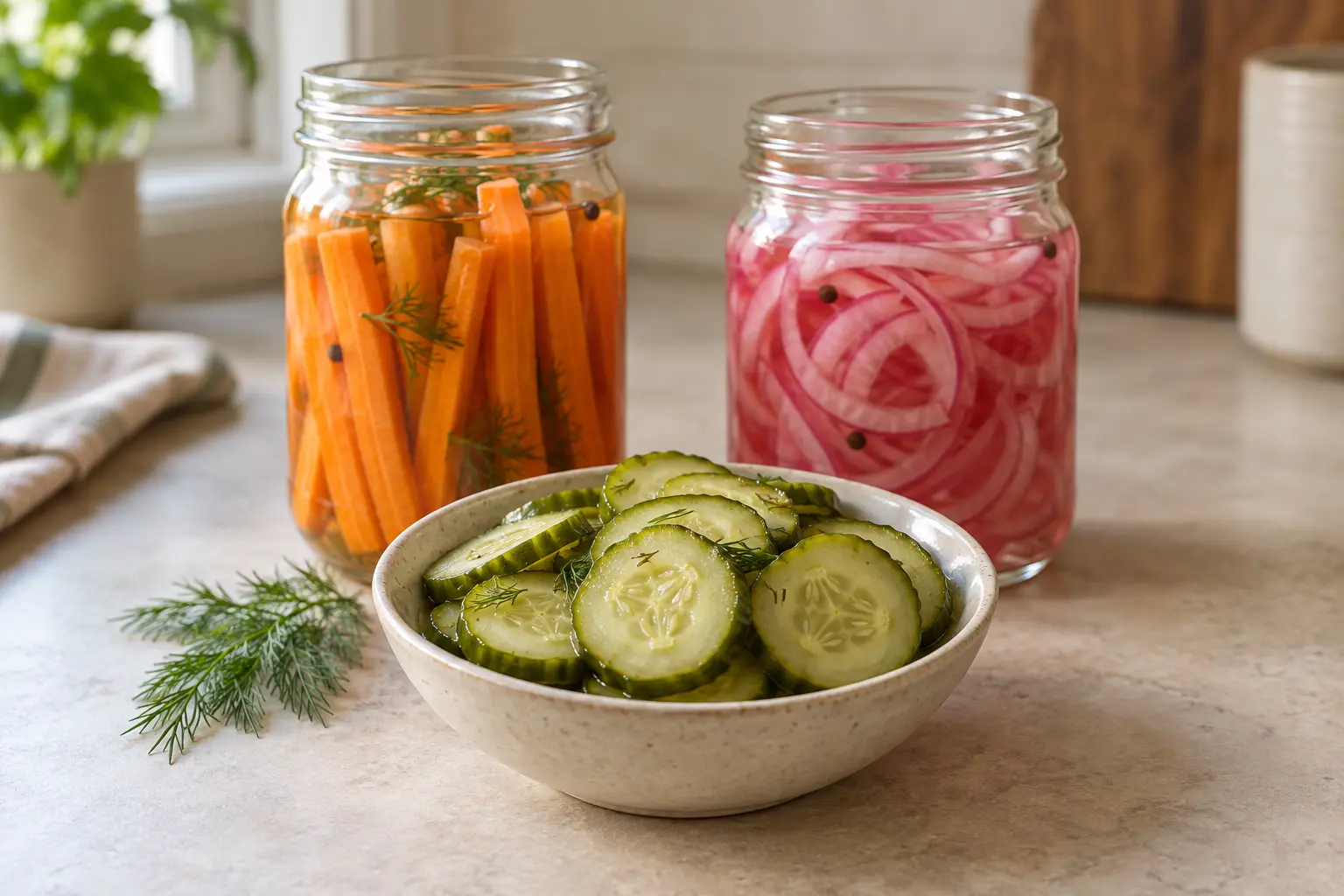
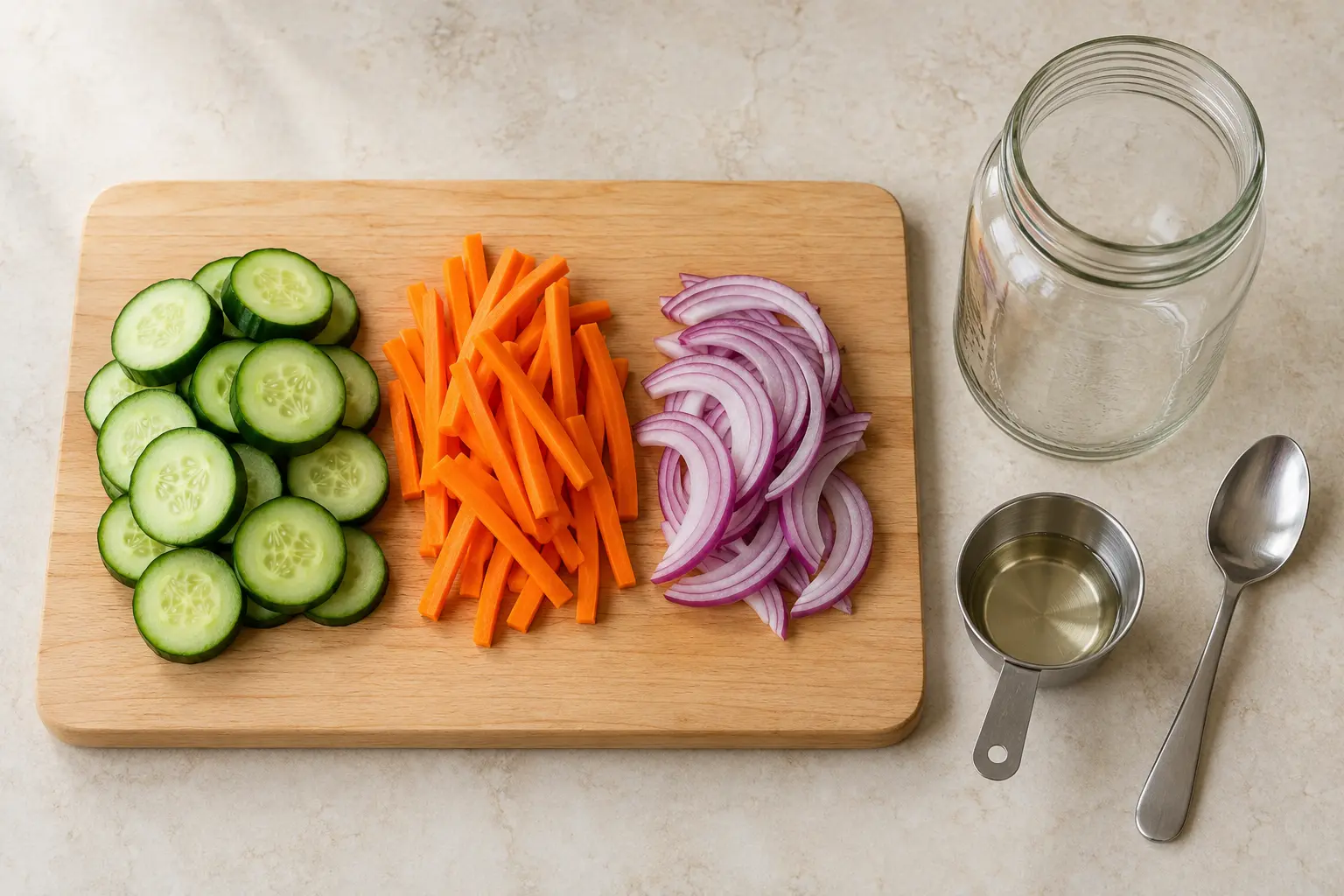
Cucumbers are an approachable first choice because a small batch gives you something familiar to serve with lunch. Pick firm, fresh cucumbers; tired produce will not become a better ingredient simply because it goes into a jar. The cucumber example below keeps your first project to one pint.
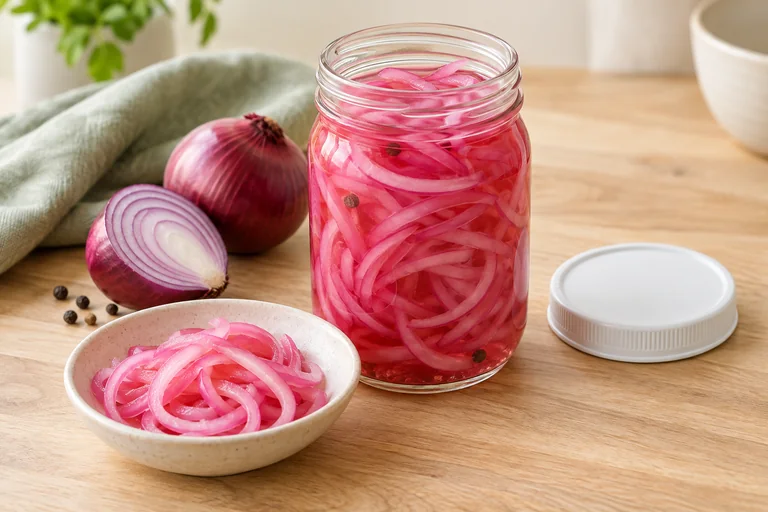
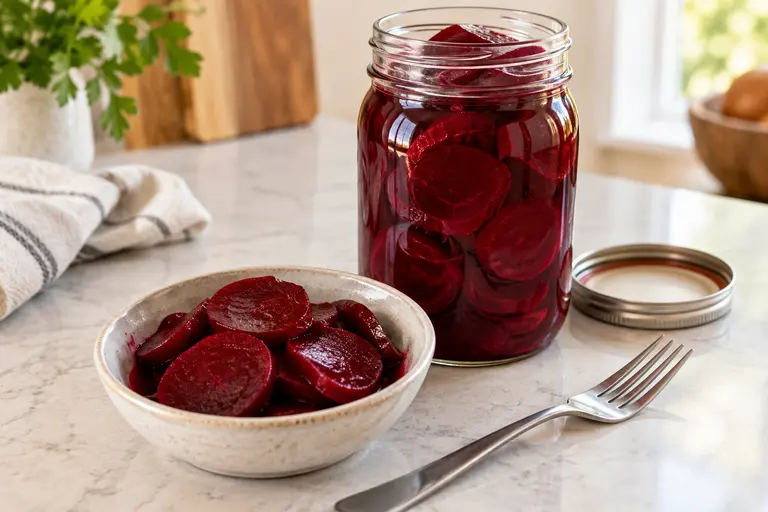
Already planning tacos or a grain bowl? Quick Pickled Red Onions is a useful next project. For a tangy side alongside a meal, choose Quick Pickled Beets. Open the corresponding recipe rather than substituting either vegetable into the cucumber quantities.
A practical way to choose is to name the meal first: “cucumber pickles for Friday’s sandwiches” is easier to use than an unplanned assortment of jars. Make one batch, see how your household serves it, and let that guide the next recipe. There is no need to start with the entire farmers market haul.
Which vinegar should you use?
For this first cucumber batch, choose commercial distilled white food vinegar labeled 5% acidity. It is an uncomplicated place to start without a strongly flavored vinegar taking over. Read the acidity label: “vinegar” by itself is not a strength specification. Cleaning vinegar and homemade vinegar are not substitutes.
Do not turn a ratio seen online into a universal vegetable-pickling formula. Vinegar, water and produce amounts belong to a particular recipe. In canned pickles especially, changing those proportions changes the acid balance the process depends on. NCHFP’s pickling guidance explains vinegar strength and recipe proportions.
Organize the recipe before opening bottles: put the measuring cup, spoons, salt and sugar beside the saucepan. For the first attempt, keep the written quantities visible. A short note about the vinegar you used and the seasonings you chose makes the next shopping trip simpler.
Which jars work for refrigerator pickles?
Choose one jar format; you do not need all three. Use clean, food-safe glass with a sound lid and enough room for the recipe. Start with a pint jar for the cucumber example below. A wider opening can make larger pieces easier to pack and remove. The quart options suit recipes written for that capacity; buying a larger jar is not a reason to change this batch.
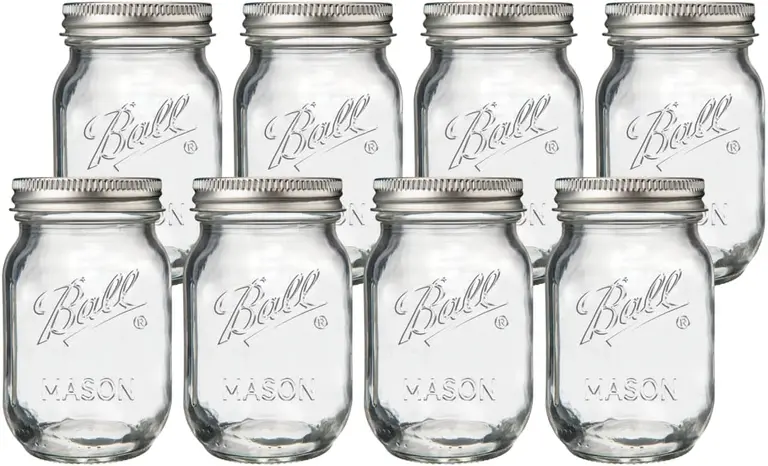
Ball Pint Mason Jars · 16 oz
The pint size used for this guide’s cucumber batch. Choose it for a small first project and a jar that is easy to fit in the refrigerator.
View on Amazon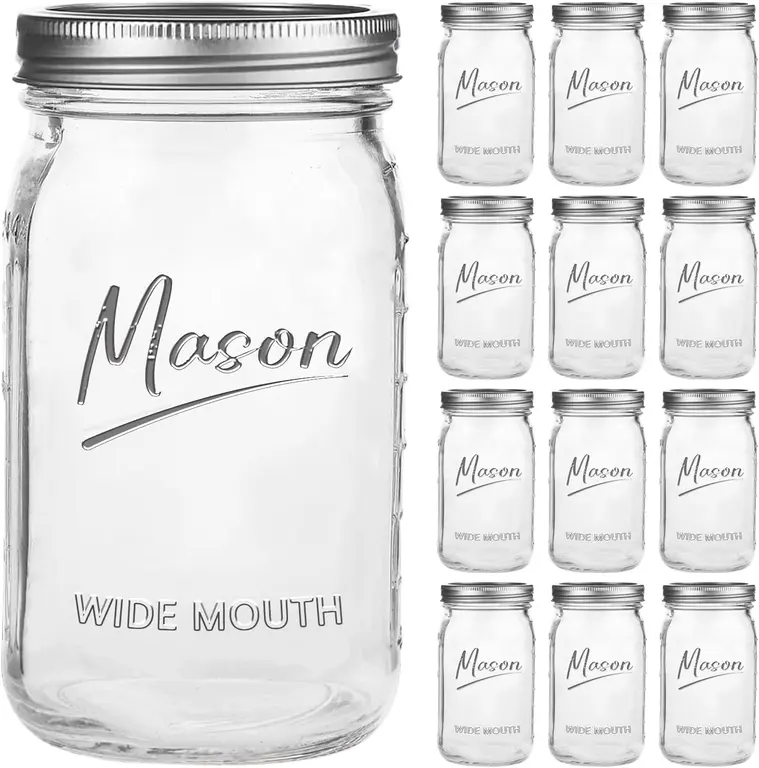
Wide-Mouth Mason Jars · 32 oz
A wider opening helps when packing and serving larger vegetable pieces. Use the container size in your chosen refrigerator recipe and leave the specified headspace.
View on Amazon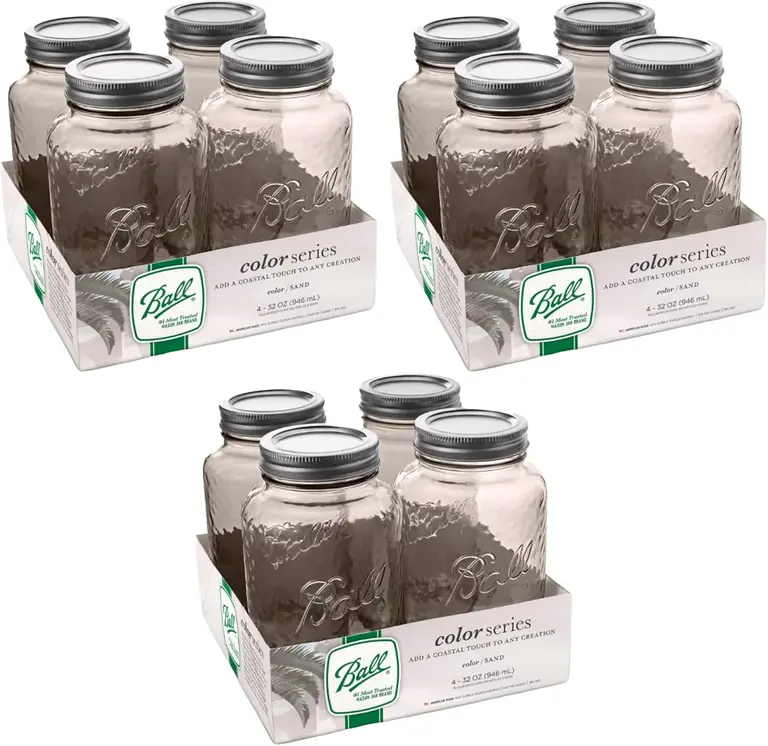
Ball Regular-Mouth Quart Jars · 32 oz
A quart-size alternative for recipes that call for a larger container. The narrower opening suits small pieces more readily than bulky spears; keep the finished batch refrigerated.
View on AmazonAffiliate links · Your price stays the same.
Already have a suitable jar? Keep using it. The rest of this setup is ordinary kitchen equipment: a saucepan and utensils suitable for acidic foods, a knife, cutting board, measuring cup and spoons. Avoid reactive metal containers; Oregon State Extension describes suitable pickling equipment. Special fermentation lids and a canner are not required for this refrigerator project.
First batch: one pint of cucumber pickles
Recipe quantities: Food Hero’s Refrigerator Pickled Cucumbers. Keep refrigerated.
- 1½ cups cucumber slices
- ⅔ cup commercial distilled white vinegar, labeled 5% acidity
- ⅓ cup water
- 1 teaspoon salt
- 2–4 teaspoons sugar
- 1–2 tablespoons seasonings, such as fresh dill
Makes 1 pint.
Allow 1–3 days for flavor. Food Hero advises using this cucumber batch within 3 months, refrigerated throughout. Other recipes have different storage limits.
Your first refrigerator batch in 7 steps
Choose one complete recipe
Use the cucumber example above for this first batch. Keep its quantities together; do not borrow another vegetable’s brine or storage directions.
Prepare a clean workspace
Wash your hands and produce. Have the clean jar, lid and utensils ready.
Cut and measure
Prepare the vegetables as specified and measure the amount going into the batch. Put the remaining produce aside for another meal.
Make the recipe’s brine
Simmer the measured vinegar, water, salt and sugar until dissolved; remove from heat.
Pack the jar
Pack seasonings and cucumber slices in the pint jar. Cover with warm brine, leaving about ½ inch at the top.
Cover and refrigerate
Close the jar and refrigerate promptly. Keep the refrigerator at 40°F (4°C) or below; this batch does not belong in the pantry.
Label and plan a meal
Write the recipe name, preparation date and refrigerator storage instruction on the jar. Choose the first meal where you will serve it.
How should you store and serve the jar?
Make a clear space in the refrigerator before you start. Keep the jar covered and refrigerated, and use the storage instruction attached to the specific recipe. The cucumber example’s timeframe does not transfer to an onion recipe, a different vinegar mixture or an improvised mixed jar.
Use an appliance thermometer to check that your refrigerator stays at 40°F (4°C) or below. Perishable food should be refrigerated within two hours, or one hour when the temperature is above 90°F. FDA’s food-storage guidance explains those limits.
For a family meal, put a small serving in a separate bowl and return the main jar to the refrigerator. That is more convenient than leaving the whole batch on the table while everyone eats. Keep clean serving utensils nearby and avoid returning leftovers from individual plates to the jar.
Give the jar a job: cucumber slices in a turkey sandwich, red onions over beans, or beet pickles beside a grain salad. Add a little first so the acidity complements the meal. If you enjoy the flavor but never finish a large jar, choose a smaller-batch recipe next time.
What if the result is not what you expected?
The flavor feels too strong: serve a smaller portion alongside the meal. For the next batch, choose another complete recipe whose style sounds closer to what you enjoy. Do not dilute a stored jar or change a canning recipe’s vinegar to make it milder.
You wanted more crunch: review the produce you started with and the cut specified by the recipe. Choose fresh, firm vegetables next time. Pickling cannot reverse poor starting texture. Keep notes on the batch instead of buying more equipment to solve an ingredient problem.
The jar sat out and you are unsure for how long: do not use taste or appearance as a safety check. Follow the refrigeration limits above and discard food when its safe handling cannot be established. A pleasant smell is not proof that a temperature-abused batch is safe.
The vegetables are gone but brine remains: do not refill that used brine with a new vegetable batch. Make fresh brine from the next recipe. Minnesota Extension advises against reusing brine that has held vegetables.
What should you make after your first jar?
Choose a next step that changes one thing about the experience. An onion recipe gives you a different topping for familiar meals; beets create another kind of side dish. Keep each recipe’s preparation and storage directions with its jar so similar-looking containers do not become a guessing game.
Want a broader selection of vegetables? Food Hero also provides a separate Refrigerator Pickled Vegetables recipe. It has its own quantities and yield. Use that complete recipe rather than treating this cucumber example as a master brine for every crop.
If refrigerator space is your main limit, learn the canning method before expanding your batch. Follow a suitable tested pickle recipe with its jar size and altitude-adjusted process. Boiling brine, a lid that pulls down or a home acidity check does not convert this refrigerator recipe into a canning process. OSU’s pickling reference keeps those processes separate.
The guides below take you to a specific recipe or the canning fundamentals. Pick the path that answers what you want to eat and where you intend to store it.
Questions about pickling vegetables
Are vinegar pickles and fermented pickles the same?
No. This guide adds vinegar and keeps the finished batch refrigerated. Fermentation is a different process with its own salt and handling instructions. Do not replace one method’s directions with the other’s.
Can I use apple cider vinegar?
Use the vinegar type and acidity allowed by the recipe you have chosen. For the first batch shown here, our shopping recommendation is commercial distilled white vinegar labeled 5% acidity.
Do I need to boil these jars in a canner?
No canning process is provided for this refrigerator recipe. If you want shelf-stable pickles, choose an appropriate tested canning recipe from the start.
How long do refrigerator pickles last?
Use the storage limit of the recipe you actually followed. The attributed cucumber example above has its own instruction; there is no single timeframe here for all vegetables and brines.
Can I leave out salt when fermenting vegetables?
Do not apply refrigerator-pickle substitutions to fermentation. Salt plays an important role in that process, so use a suitable fermentation recipe and keep its requirements.
Which recipe should I try after cucumbers?
Choose the meal first. Quick pickled red onions are useful for tacos and bowls; quick pickled beets give you a different side dish. Both recipe links are below.
Sources and editorial notes
This beginner guide explains vinegar refrigerator pickling. The one-pint cucumber example is attributed to Oregon State University Food Hero; it is not our independently tested recipe. General method and storage advice comes from the primary sources below. The choice of commercial 5% distilled white vinegar follows NCHFP guidance. No canning process or universal shelf life is established here. Verify current source instructions before preserving food.
- National Center for Home Food Preservation: General Information on Pickling
- University of Minnesota Extension: Preserving food at home: Pickling produce
- Oregon State University Food Hero: Refrigerator Pickled Cucumbers
- Oregon State University Food Hero: Refrigerator Pickled Vegetables
- US Food and Drug Administration: Are You Storing Food Safely?
- Oregon State University Extension: Pickling vegetables
AI-generated food illustrations; they do not document an in-house recipe test. The cucumber example is attributed to Oregon State University Food Hero.