Choose a cooking pumpkin with firm flesh
Use an edible pumpkin intended for cooking or a sound butternut squash. Choose one with firm flesh and no signs of spoilage. Decorative gourds are not a substitute. If you are buying a pre-cut piece, keep it refrigerated and use it promptly; a wrapped wedge is still fresh food that needs sensible handling.
Pumpkin varieties differ in density, moisture and how readily they soften. Rather than promising that a particular label always gives a crisp pickle, look for flesh that cuts into neat pieces and plan to watch it as it cooks. A small pumpkin often leaves enough for this condiment and a separate roasted-vegetable meal. Set aside the second portion before measuring the prepared pound for this recipe.
A small sweet-tart batch with warm spice
This recipe adapts the German refrigerator-pumpkin method into practical US quantities. It keeps equal volumes of vinegar and water and a choice of sweetness, but it is a house cooking recipe for cold storage rather than a tested preservation formula. Make it because you have a few meals in mind, not because you want jars that can sit unopened in a cupboard.
White vinegar gives the cleanest view of the pumpkin’s own flavor. Cider vinegar adds a fruity note that works with ginger and autumn dishes. Choose the lower sugar amount for a more savory accompaniment or the higher amount for a sweeter condiment. Sugar changes the flavor balance; it is not permission to reduce the vinegar, leave the batch warm or extend its storage.
- 1 pound prepared flesh edible cooking pumpkin or butternut squash, peeled and seeded
- 1 cup commercial white or cider vinegar, labeled 5% acidity
- 1 cup water
- ⅓–½ cup granulated sugar, to choose a sharper or sweeter flavor
- 1 teaspoon salt
- 1 teaspoon mustard seeds
- 6–8 whole black peppercorns
- 2–3 thin slices fresh ginger
- 1 small piece cinnamon stick, optional; or 1–2 whole cloves
A small batch from 1 pound of prepared pumpkin; divide among small containers as needed.
Allow about 30–40 minutes for cutting and gentle cooking, depending on the pumpkin. Chill promptly and serve once cold. Plan to use within 3–4 days as conservative leftover handling, not a validated pickle shelf life.
Uniform cubes make the cooking easier to judge
Rinse the outside before cutting so soil does not travel from the rind to the flesh on the knife. Make a stable cut surface, remove the seeds and stringy interior, then peel the piece you will use. Even a variety with edible skin can be peeled here for a more consistent bite. Work in manageable sections rather than forcing a knife through an unstable whole squash.
Cut the flesh into roughly ¾-inch cubes. This is a practical eating size, not a canning specification. Keep the pieces broadly similar so the small corners do not become soft while large centers remain hard. Measure the prepared weight after peeling and seeding. If you make the cubes much larger or smaller, judge cooking by texture and expect a different result on the plate.
Useful tools for a small batch
Use a stable board, a knife suitable for firm squash, a peeler and a saucepan. Small, shallow containers help you cool the cooked batch. Jars are an optional serving and storage format, with the manufacturer’s heat guidance observed.
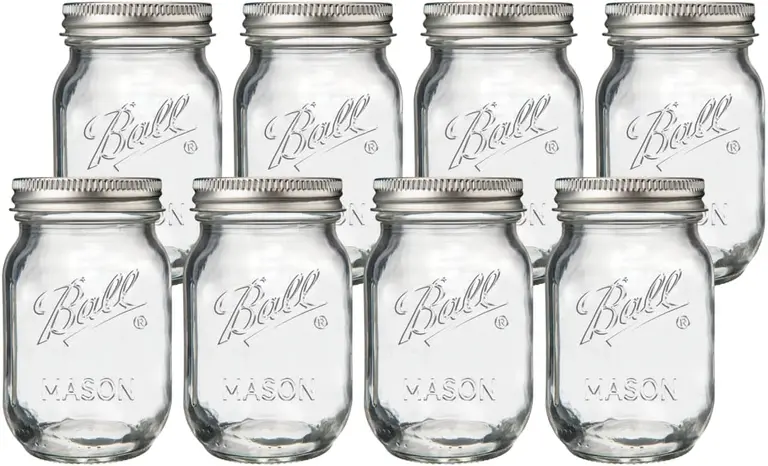
Ball Pint Mason Jars · 16 oz
Pint jars for already chilled pumpkin portions. First divide the cooked cubes and liquid into the small, shallow heat-safe containers described in the recipe.
View on Amazon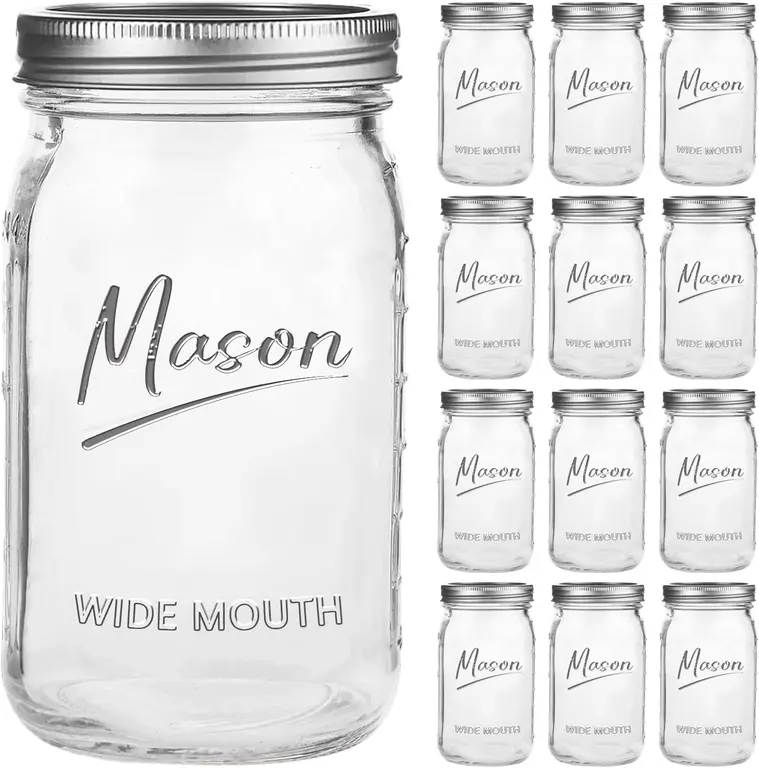
Wide-Mouth Mason Jars · 32 oz
A wider-mouth alternative for serving or storing already chilled pumpkin. Keep the recipe’s shallow-container cooling step and continuous refrigeration.
View on Amazon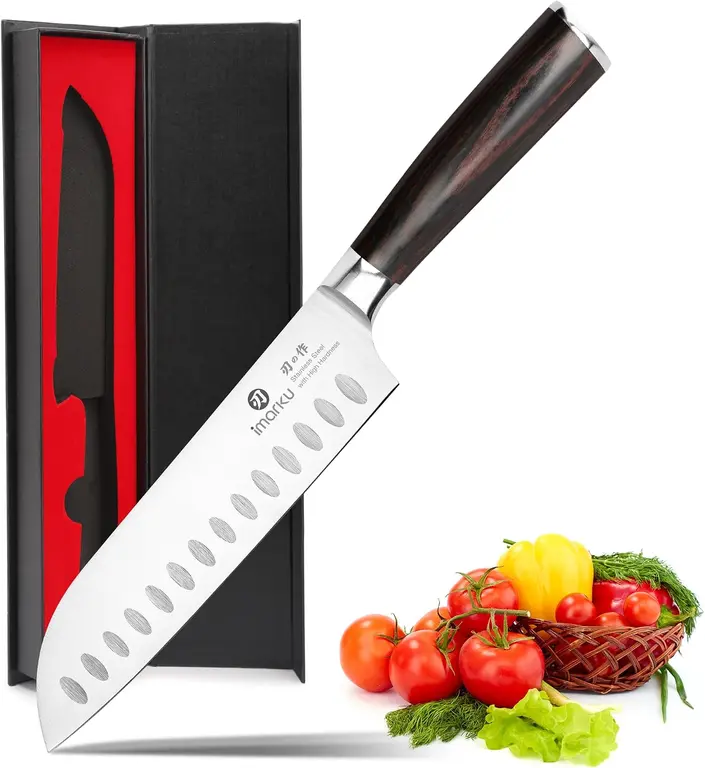
imarku Santoku Knife · 7 in
A knife option for preparing pumpkin on a stable board. A sharp knife you already own can do the same job; consistent thickness matters most.
View on AmazonAffiliate links · Your price stays the same.
Use food-safe containers suitable for acidic food. Follow the container manufacturer’s temperature guidance, especially when adding warm brine. You do not need a canner for a refrigerator recipe.
Use whole spices to keep the flavor clear
Mustard seeds and peppercorns give a savory background; a few slices of ginger add freshness. Cinnamon or clove can take the batch toward a more traditional sweet-spiced pickle, but their flavor quickly becomes prominent in a small pan. Choose a restrained combination rather than using every option together at full strength.
Whole spices remain visible and are easier to remove from a serving. Ground cinnamon or a large spoonful of mixed spice can cloud the liquid and coat the pumpkin, making it difficult to taste the vegetable itself. If this is your first batch, begin with mustard, pepper and ginger. Keep a short note of the combination you used, then change one element in the next batch if you want to compare flavors.
Make the batch in 7 steps
Prepare the equipment
Wash your hands and the outside of the pumpkin. Set out a stable board, saucepan and small heat-safe containers.
Peel and cube
Remove peel, seeds and stringy flesh. Measure 1 pound and cut it into even cubes about ¾ inch across.
Measure the liquid
Combine the vinegar, water, sugar, salt and selected whole spices in the saucepan.
Bring to a simmer
Heat and stir until the sugar and salt dissolve. Do not add unmeasured water.
Cook gently
Add the pumpkin and simmer gently until a representative cube is tender enough to eat but still holds its shape. Stir carefully and avoid a rolling boil.
Portion and refrigerate
Divide the pumpkin and covering liquid into small, shallow heat-safe containers. Refrigerate within 2 hours of cooking, or 1 hour when the room is above 90°F.
Serve cold and use promptly
Label with the preparation date. Use a clean utensil for each serving and finish within the 3–4 day meal plan.
Watch the cube, not a universal timer
Pumpkin can move from pleasantly firm to crumbly quite quickly, especially when small pieces are stirred vigorously. Test one of the larger cubes near the end of cooking. The knife should enter without requiring force, but the piece should still lift out of the pan intact. Check more than one if the batch contains visibly different sizes.
A gentle simmer gives you more control than a hard boil. Use a spoon to move the pieces carefully and stop heating once the intended texture is reached. If the pumpkin becomes softer than you hoped, serve it as a spoonable accompaniment within the storage plan. Extra vinegar, an extra day of chilling or a tighter lid cannot restore the structure of an overcooked cube.
Give the pumpkin a specific job on the plate
For a cheese board, drain a few cubes and serve them beside a mild cheese and bread. Remove the conspicuous whole spices before serving. The pumpkin should provide a bright contrast, so start with a small portion rather than turning the whole board sweet and sour. Keep the remaining batch in the refrigerator.
For a grain bowl, combine cooked, cooled grains with greens and another vegetable, then add drained pumpkin near serving time. A sandwich with cheese or a savory spread can take a few thinner pieces sliced from the cooked cubes. Beside a rich main dish, the pickles work as a condiment. Taste that combination before adding more acidic sauce elsewhere; the jar already contributes plenty of flavor.
Make adjustments without changing the stored mixture
If the flavor is sharper than you enjoy, serve fewer cubes with mild food and choose the higher sugar amount for the next batch. Do not dilute the jar with plain water. If you need more liquid when filling the freshly cooked batch, prepare extra with the same measured proportions and season lightly so the original spice balance is not overwhelmed.
If you find the cubes awkward to eat, cut them smaller at serving time and make the next raw batch more uniform. Softness is a reason to change the choice of pumpkin or the cooking, not to add more salt after the fact. A jar that develops mold, unusual gas, slime or an off odor should be discarded without tasting; seasoning cannot correct a storage problem.
Cold storage is part of the recipe
Label the container clearly so an attractive jar is not mistaken for a pantry preserve. The 3–4 day plan is a conservative application of general leftover guidance to this house recipe. It is not a claim that the pumpkin has been tested to reach a particular acidity or that its vinegar mixture supports storage for several weeks.
Keep the batch continuously refrigerated and take out only what you expect to serve. Avoid leaving the whole container on a cheese board for hours. If your goal is to preserve a large pumpkin harvest, choose a separate tested method. NCHFP’s instructions for plain pumpkin and winter-squash cubes use pressure canning; those directions cannot be borrowed as a finishing step for this spiced recipe, and they do not apply to puréed pumpkin.
Frequently asked questions
Can I use butternut squash?
Yes, sound butternut squash is a practical cooking choice for this refrigerator house recipe. Peel it and cut it evenly, then judge doneness by the actual pieces.
Can the peel stay on?
Peeling gives a more consistent texture in these small cubes. Even when a squash variety has an edible skin, the skin and flesh may soften differently.
How much sugar should I use?
Choose within the listed range according to whether you want a sharper accompaniment or a sweeter condiment. Keep the measured vinegar mixture and the same cold-storage plan.
How long should the pumpkin simmer?
Only until it is tender enough to eat while still holding its shape. Variety, ripeness and cube size affect the time, so check a representative larger cube rather than using a universal timer.
Can I keep sealed jars on a shelf?
No. This is a refrigerator house recipe. A closed lid does not supply a tested canning process, and pumpkin’s canning requirements cannot be guessed from its sweet-tart taste.
Sources and editorial notes
Adapted for US readers from the German counterpart. Recipe attribution and refrigeration boundaries are explained in the source notes.
- USDA FSIS: Keep Food Safe — use most cooked leftovers within 3–4 days
- FoodSafety.gov: Prompt refrigeration and small, shallow containers
- NCHFP: Pumpkins and Winter Squash — Cubed
Food illustrations reused from the German counterpart; they do not document an in-house recipe test.