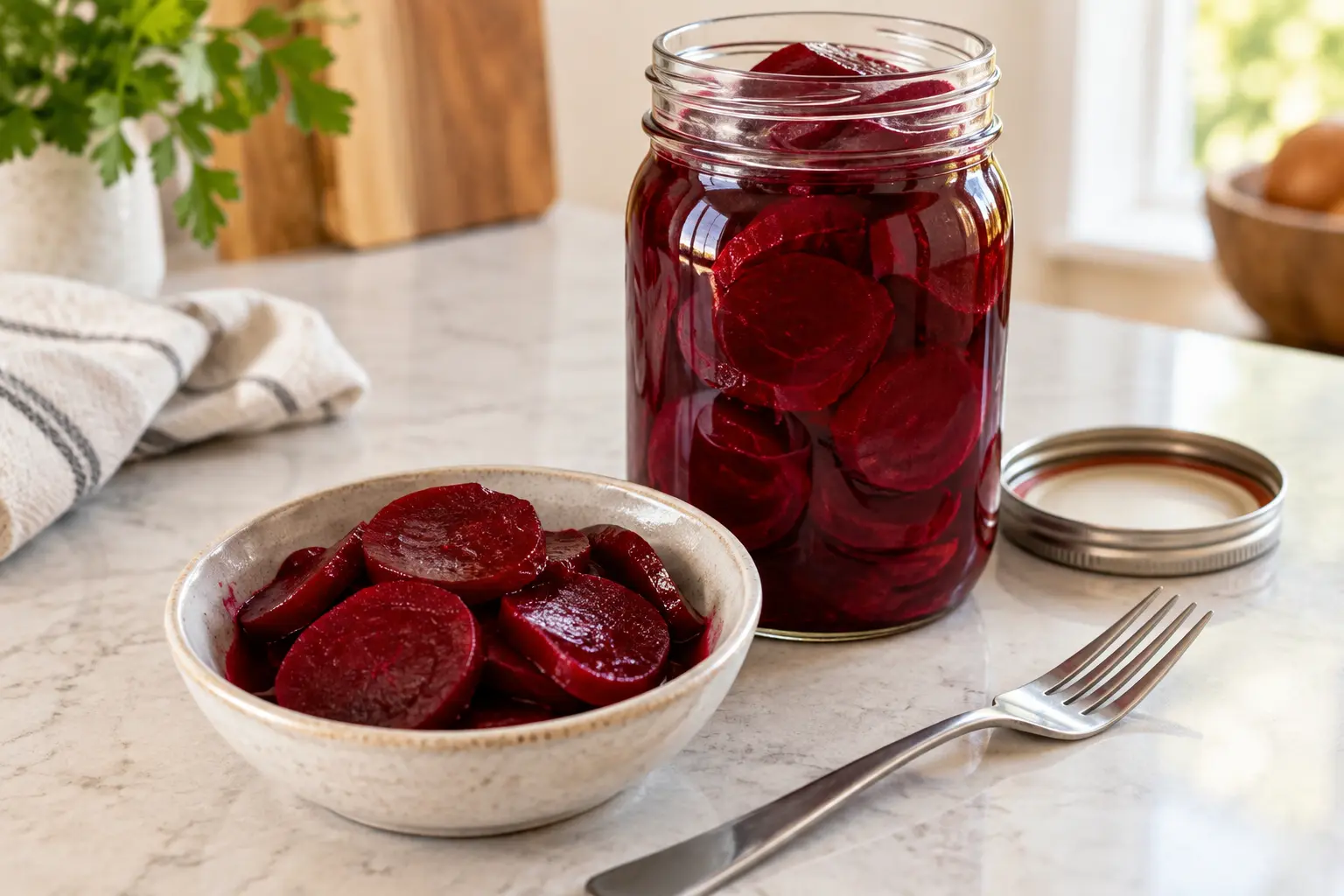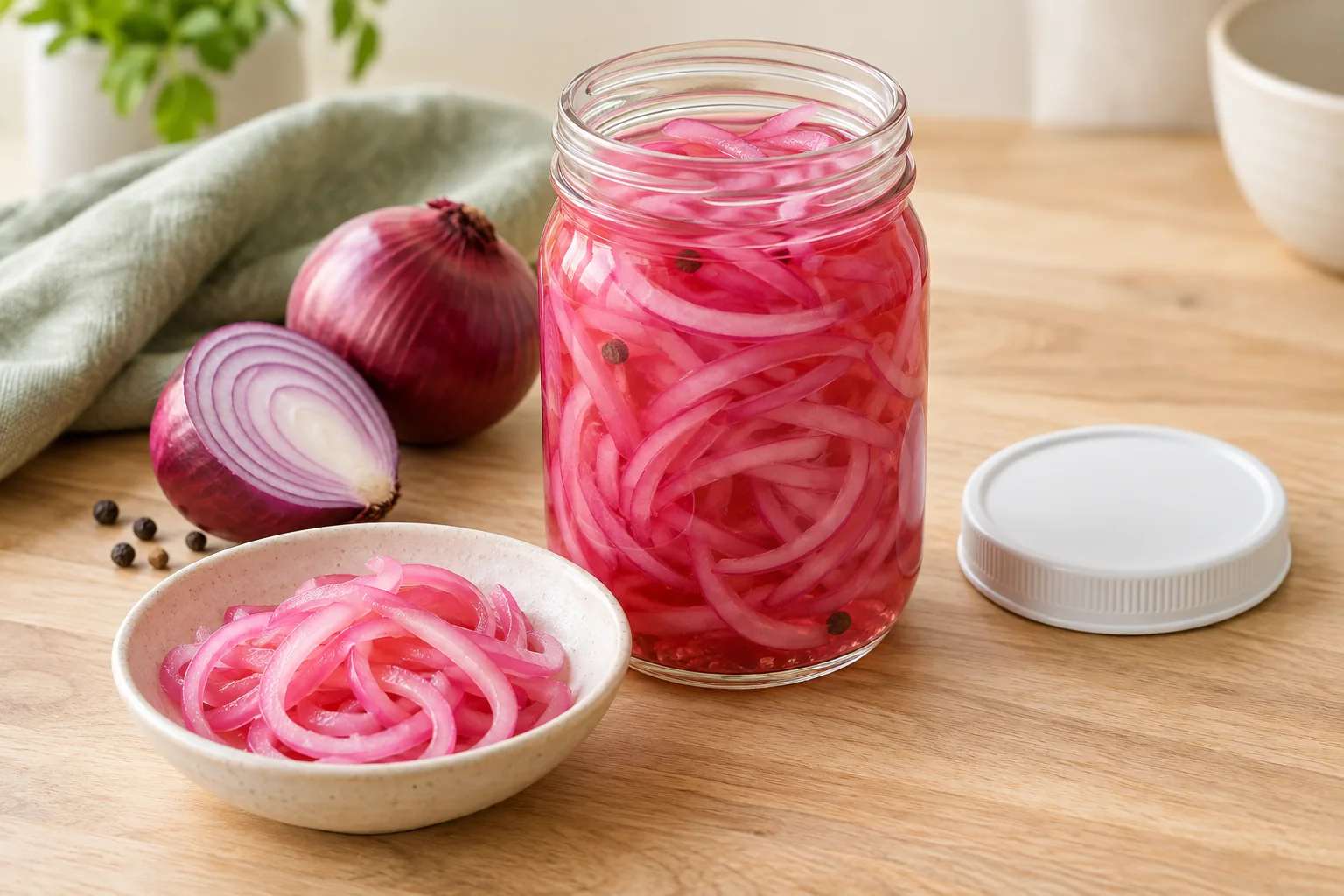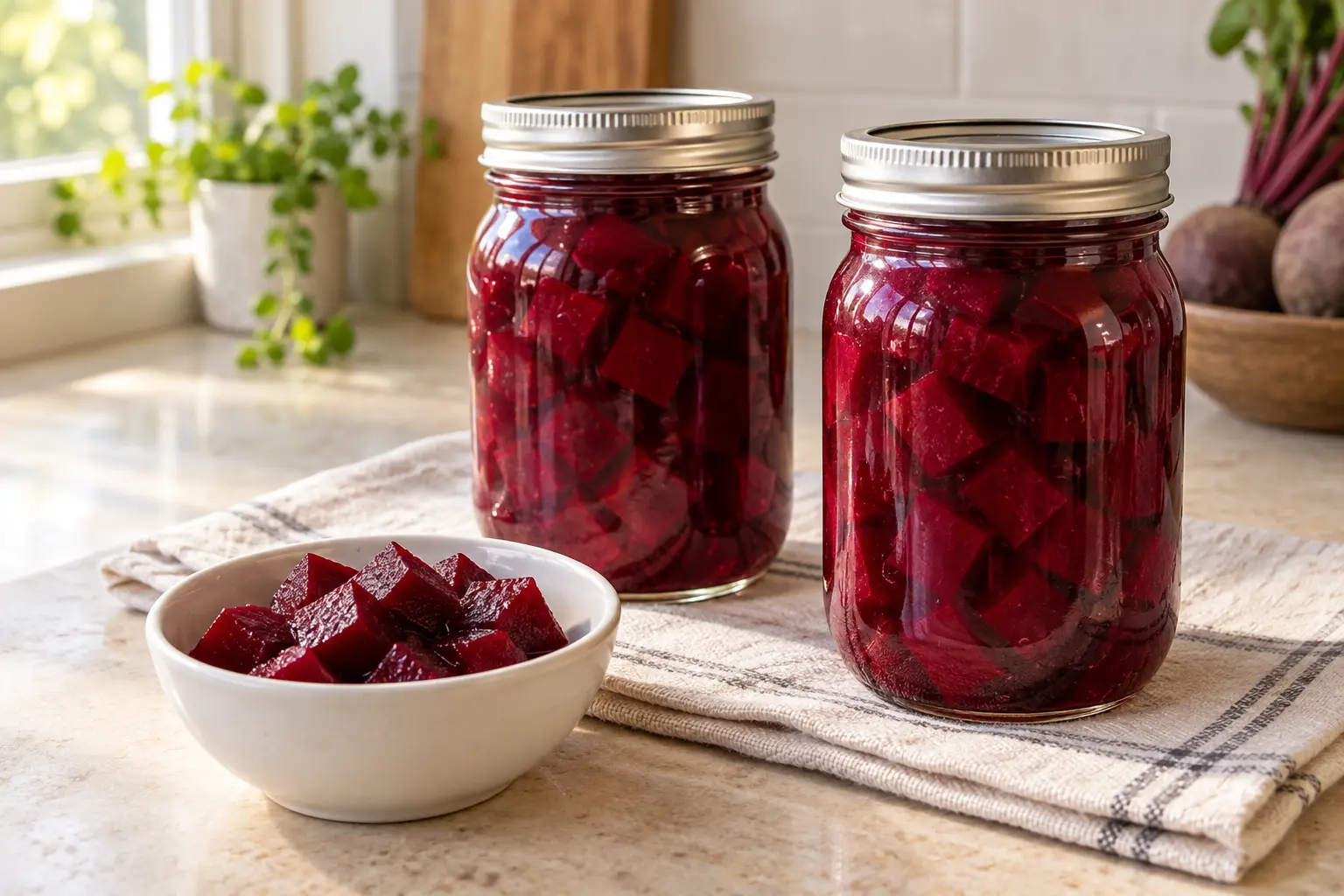
Plain canned beets or pickled beets?
Plain canned beets are useful when you want to decide on the seasoning later. Drain a jar for a side dish, add a dressing when serving, or use the beets in a meal you prepare after opening. The canning recipe itself stays plain; the flavor experiments happen at serving time.
For a small batch you will eat soon, try Quick Pickled Beets. Those are refrigerator pickles. Shelf-stable vinegar pickles follow a different tested formula and process. Pick the result you want before choosing a canner.
Pressure canner vs. pressure cooker
For USDA processes, a pressure canner needs room for at least four upright quart jars with the lid in place. Capacity alone is not enough: read the manual, check the vent and pressure-control system, and confirm compatibility with your stove. A small pressure saucepan is not the substitute used by this method.
Dial-gauge and weighted-gauge canners use different altitude tables. Keep the gauge type visible on your written batch plan. Arrange the manufacturer-recommended gauge checks and replace damaged parts before a canning session, not halfway through one.
An electric multicooker’s menu label does not establish that this recipe is supported. Check the exact appliance and validated process rather than adapting stovetop timings by guesswork. A water-bath canner belongs to the separate tested acidified-recipe route.
Set up before handling hot jars
Have your jars, new suitable flat lids, bands, rack, jar lifter and clean filling tools ready. Inspect glass rims and follow the lid maker’s preparation directions. Keep an uncluttered landing area for the hot jars.
Work with whole small beets, slices or cubes as specified. Beet purée, thick soup, added oil and improvised combinations are outside this process. A batch record with jar size, gauge type and altitude helps prevent switching tables in the middle of the job.
- Fresh beets Firm roots in good condition; trim and prepare as directed below.
- Fresh boiling water For filling the jars, separate from the beet cooking water.
- Salt Omitted in this plain version; salt is optional in the source recipe.
Yield varies with beet size, trimming and pack. Plan around the jar sizes and minimum load allowed by your canner instructions before preparing the batch.
Processing time is only one part of the job. Preparation, venting, pressurizing, natural depressurization and jar cooling are additional.
How to pressure can plain beets
Read the process and prepare the canner
Choose pint or quart Mason-type canning jars as allowed by the tested recipe. Identify your altitude and gauge type. Inspect the canner, use its rack, and follow its manual for water quantity and minimum load.
Pre-cook, peel and cut the beets
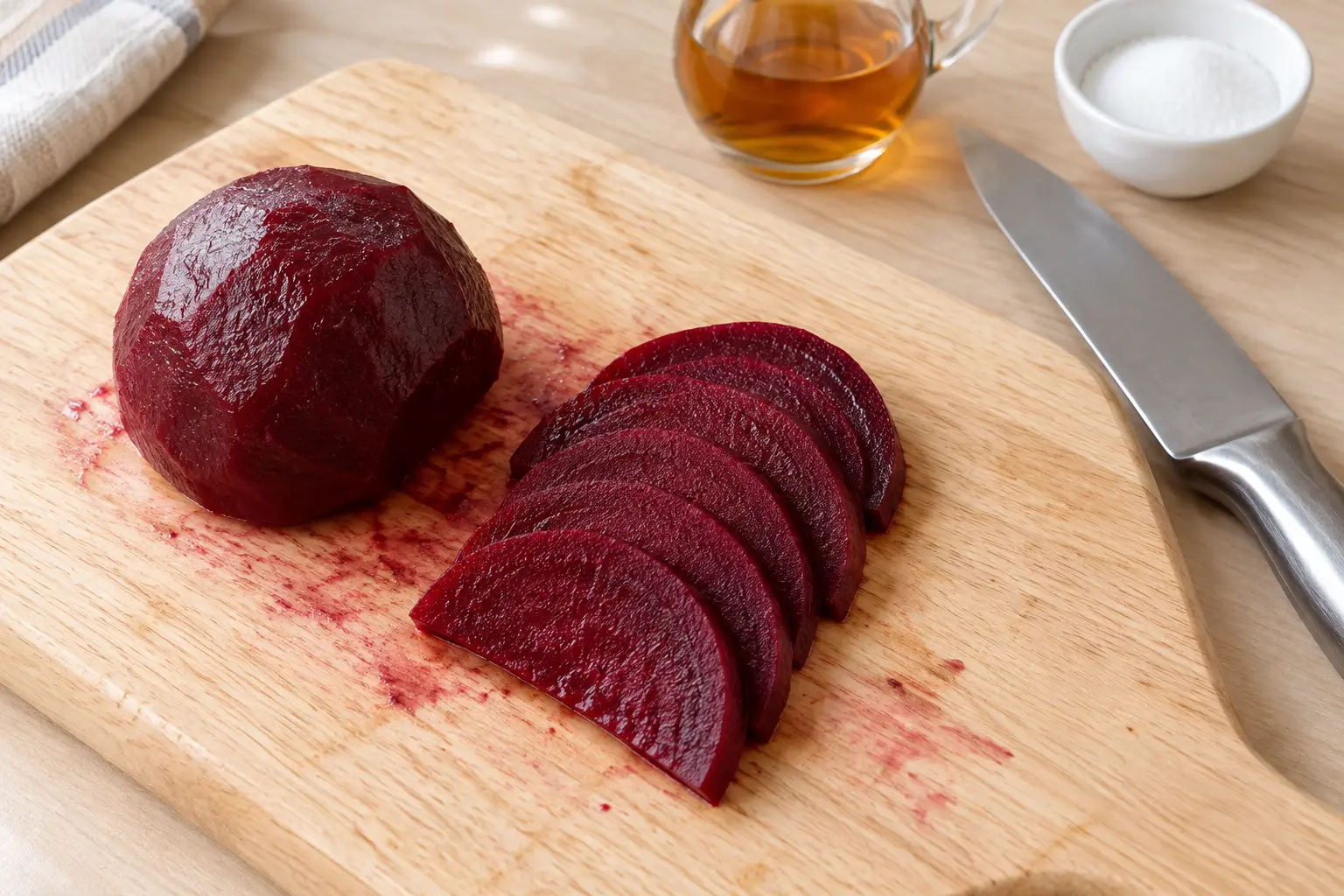
Leave about 1 inch of stem and the roots during washing and cooking. Cover with boiling water and cook until the skins slip off, about 15–25 minutes depending on size. Cool only enough to handle safely, remove skins, stems and roots, and keep the beets warm or hot. Leave baby beets whole; cut larger ones into ½-inch cubes or slices.
Hot-pack the jars
Fill with hot beets and fresh boiling water, leaving 1 inch of headspace. Do not use the beet cooking water. Remove trapped air, adjust the fill, wipe rims and fit lids and bands according to their manufacturer’s instructions.
Load and vent
Set the jars upright on the rack and secure the canner lid. Leave the vent open. Once steam flows continuously, vent for a full 10 minutes before fitting the weight or closing the vent as instructed. Then bring the canner to the pressure required for your altitude.
Process at the correct pressure
Start timing only when the correct pressure is reached. Process hot-packed pints for 30 minutes or quarts for 35 minutes, using the pressure table below. Monitor throughout. If pressure drops below the required level, restore it and restart the entire processing time.
Depressurize naturally
Turn off the heat and let the canner depressurize naturally. Do not force-cool it, run water over it or force the vent open. Once fully depressurized, remove the weight or open the vent as instructed, wait 10 more minutes, and open the lid away from your face.
Cool and check the jars
Lift jars upright onto a towel with space between them. Leave undisturbed for 12–24 hours; do not retighten bands. Check seals after cooling, remove screw bands, clean and label the jars. Do not put an improperly processed or unsealed jar into shelf storage.
Pressure and time: keep the two tables separate
These values apply to the NCHFP hot-pack method for plain beets. They are not general settings for every pressure appliance. The processing time is 30 minutes for pints and 35 minutes for quarts.
Dial-gauge canner
- 0–2,000 feet: 11 PSI.
- 2,001–4,000 feet: 12 PSI.
- 4,001–6,000 feet: 13 PSI.
- 6,001–8,000 feet: 14 PSI.
Weighted-gauge canner
- 0–1,000 feet: 10 PSI.
- Above 1,000 feet: 15 PSI.
For conditions beyond a table’s stated coverage, obtain appropriate guidance instead of extrapolating. Keep the original NCHFP beet process open alongside your canner manual. Do not round a home elevation downward to use a lower pressure.
Where a water-bath canner fits
A water-bath canner can be useful for the separate NCHFP Pickled Beets recipe. That recipe includes a specified vinegar mixture and its own processing directions. It does not make plain beets in water suitable for water-bath canning.
Our refrigerator recipe also stays a refrigerator recipe: adding an arbitrary boiling-water step does not turn it into the tested canned-pickle formula. If your only equipment is a water-bath pot, choose the correct acidified recipe before buying ingredients.
After processing: records, seals and meals
Write down the processing date, source recipe, jar size, altitude and pressure used. Store only jars that were correctly processed and sealed, following the source’s storage guidance. A seal alone cannot rescue an interrupted or incorrect pressure process.
Keep meal planning separate from canning modifications. Choose your dressing or seasoning after opening the jar; don’t add a thickener or oil to the tested pack. If you suspect a jar was processed incorrectly or shows spoilage, do not taste it to decide whether it is safe. Follow authoritative disposal guidance.
For a broader equipment overview, read Canning for Beginners. Buy the core equipment that supports the method you will actually use, then add accessories only where they make handling easier.
Build the setup around the pressure canner
Choose a suitable canner first, then the tested jar size and handling tools. Check the exact model, your stove and current manufacturer directions before buying. These are existing product candidates, not an in-house comparative test.

Presto 01781 · 23-Quart Pressure Canner
Compare this canner against the process and your stove. Follow the exact model manual for setup, gauge care and operation.
View on Amazon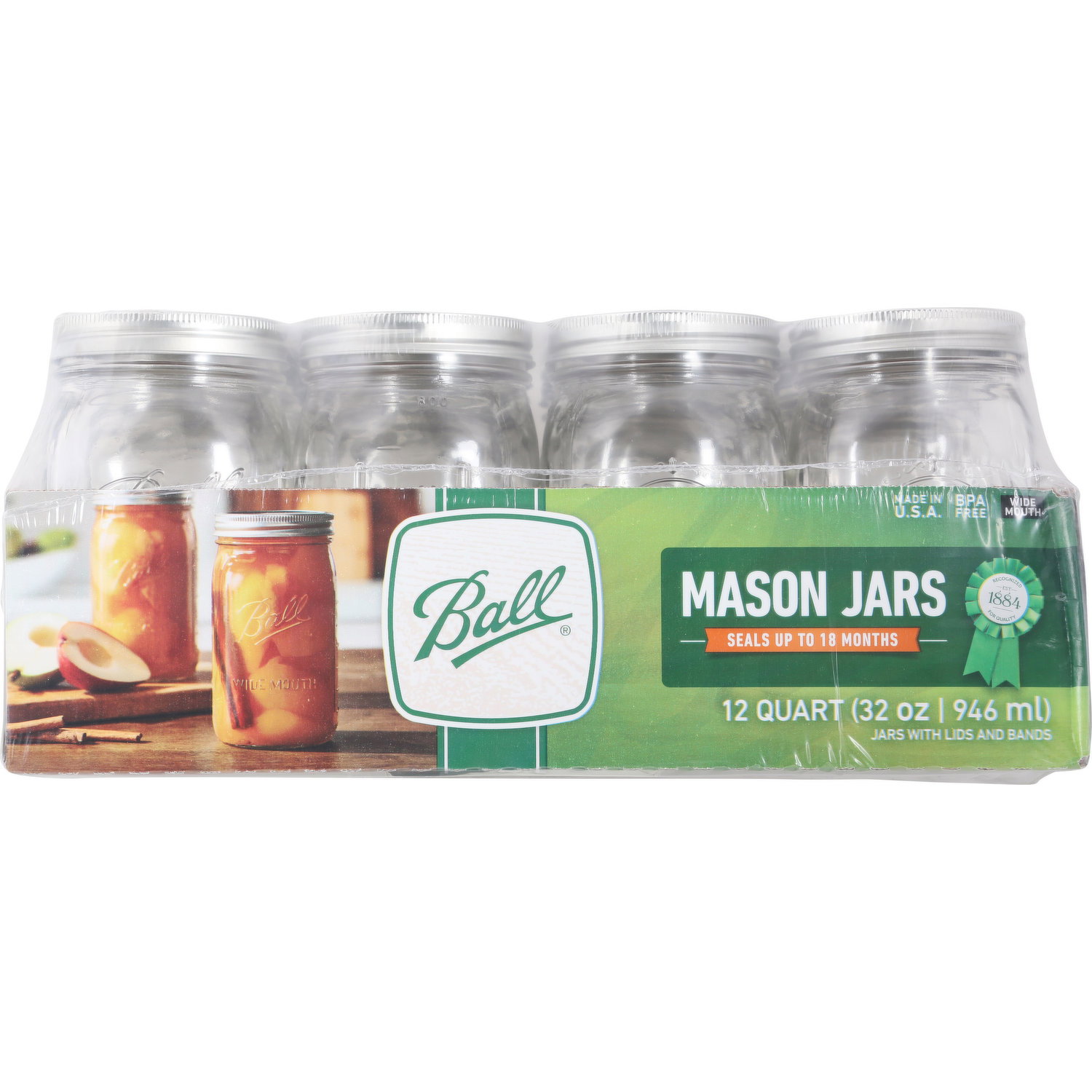
Ball Wide-Mouth 32-oz Mason Jars
Use the quart process only with jars suitable for that tested method. Check rims and use appropriate lids.
View on Amazon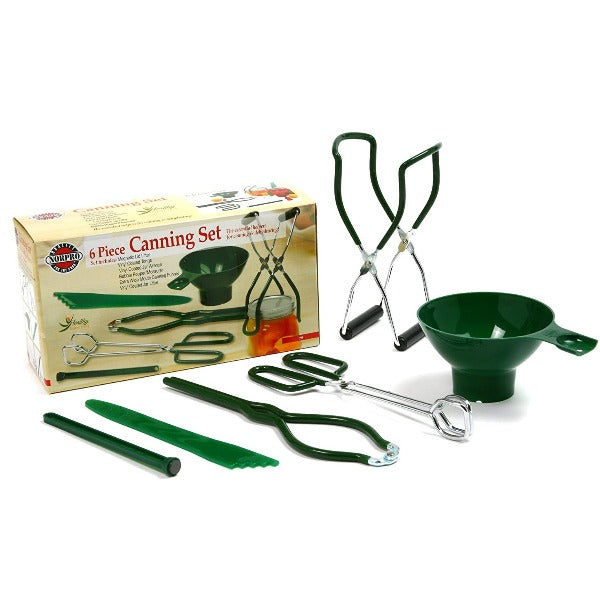
Norpro Canning Essentials Set
Basic tools for filling and moving jars. A jar lifter helps you keep hot jars upright.
View on AmazonAffiliate links · Your price stays the same.
Questions about canning beets
Can I water-bath can plain beets?
No. This plain-beet process is a pressure-canning process. A tested pickled-beet recipe is a different option with its own required acidification.
Can I use a small pressure cooker?
The published process is not a blanket approval for small pressure cookers. Use a suitable pressure canner and its instructions.
Do I need to add vinegar?
Not for this plain-beet pressure-canning recipe. If you want water-bath canned pickles, use the separate tested vinegar recipe in full.
Can I pack the beets raw?
The cited recipe uses a hot pack. Raw packing is not presented here as an equivalent alternative.
What if the pressure drops during processing?
Bring it back to the required pressure and restart the full processing time. Do not simply add the minutes spent below pressure.
Can I blend the beets before canning?
No purée process is supplied here. Whole small beets, specified slices and cubes are the forms covered by the cited recipe.
Sources and editorial notes
Editorial guide based on the NCHFP plain-beet process adapted from the USDA Complete Guide to Home Canning. Use the original process and your canner manual together. This website has not independently validated a new canning process.
- NCHFP: Beets – Whole, Cubed, or Sliced (USDA-based process)
- NCHFP / UGA: Using Pressure Canners
- NCHFP: Pickled Beets – separate vinegar recipe
AI-generated food illustration; not a photograph of an in-house canning test.