Start with the half-head you will actually use
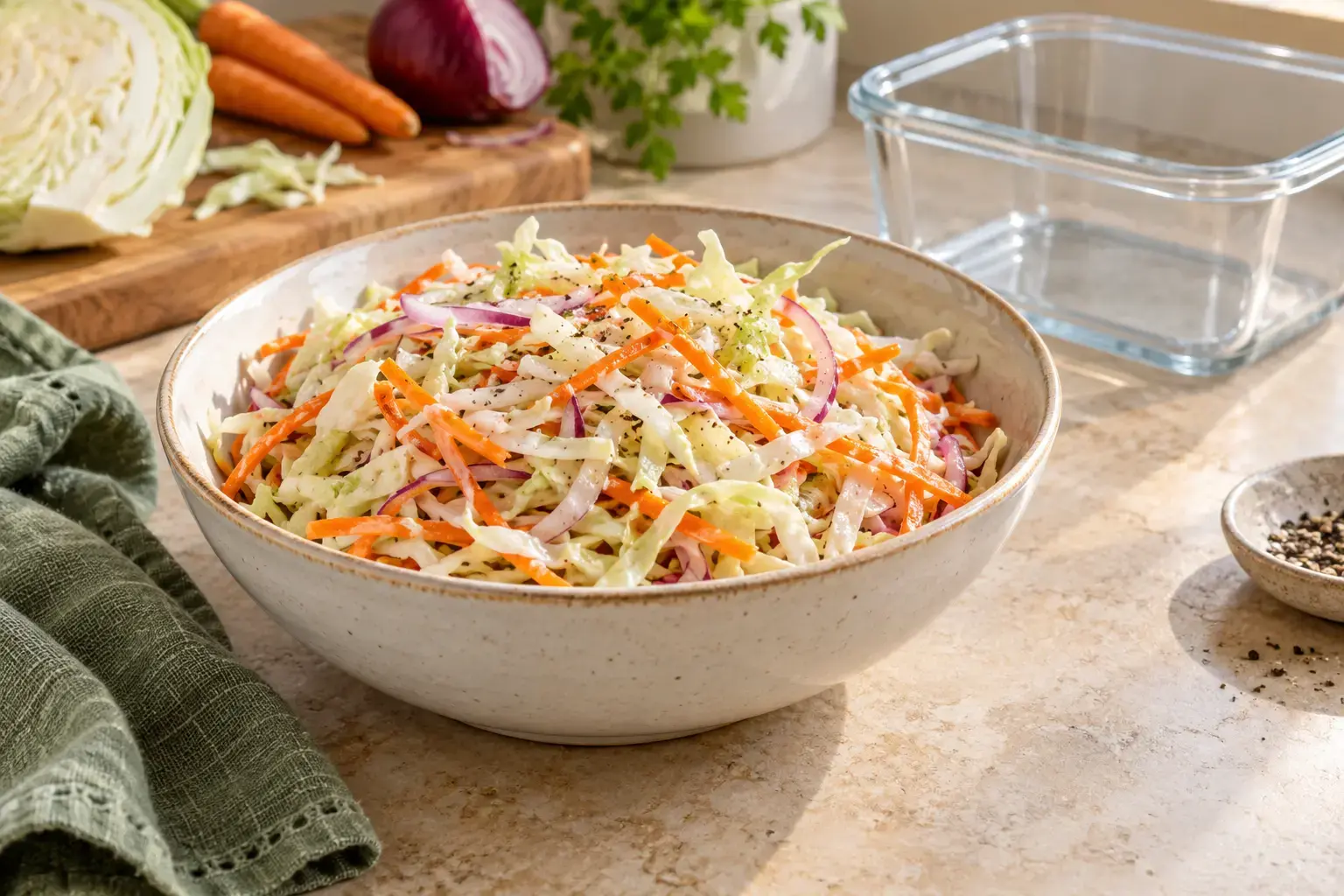
Choose green cabbage with firm leaves and trim away damaged outer layers. The appealing result is a pile of pale, fine ribbons with scattered orange carrot and red onion. A large head is not necessarily a better purchase if the other half will sit unused; plan a soup, stir-fry or roasted cabbage meal for it while you are preparing this batch.
Separate the idea of quick pickling from the familiar crock of sauerkraut. Here, vinegar supplies the tang and the finished dish goes into the refrigerator. There is no room-temperature fermentation stage and no instruction to wait for bubbles. If fermented cabbage is your goal, choose a complete fermentation recipe with its own salt quantities and process.
What goes into the slaw
The ingredient list follows Oregon State University Food Hero’s Pickled Cabbage Slaw. The combination is deliberately modest: cabbage remains the main ingredient, carrot adds color, and red onion gives a little sharpness. Oregano works especially well when the slaw is headed for tacos or quesadillas.
Cider vinegar gives a rounder, fruitier impression than plain white vinegar. Choose according to what is in the cupboard and the meals you have planned, while keeping the measured quantity. Leave out the optional hot pepper for a mild batch. You can add heat to an individual serving later, which is useful when several people share the same bowl.
- ½ medium head green cabbage, shredded; about 6 cups
- 1 medium carrot, shredded or thinly sliced
- ¼ medium red onion, thinly sliced
- ½ cup commercial cider or white vinegar, labeled 5% acidity
- ½ teaspoon each dried oregano and salt
- 1 small jalapeño, minced; optional
- 4 cups water, for rinsing the cabbage only; discard afterward
About 6 cups of slaw.
Allow about 30 minutes to prepare and at least 1 hour to chill. Make a batch for the next few meals, keep it at 40°F (4°C) or below, and use within 3–4 days as a conservative household plan.
Cut for the way you want to eat it
Quarter the cabbage through the core, lay a flat face on the board and cut out the solid wedge at its base. Slice across the leaves into narrow ribbons. Very long shreds are awkward in a small taco or lunchbox, so give the pile a few crosswise cuts if needed. Keep the carrot fine enough to mix through the cabbage rather than falling to the bottom as heavy chunks.
A sharp knife offers plenty of control. If you prefer a mandoline, use its guard and stop before the remaining piece becomes difficult to hold. The red onion should be especially thin: a few fine strands give a more even flavor than a bite containing a large onion wedge. Set everything out before bringing the rinse water to a boil.
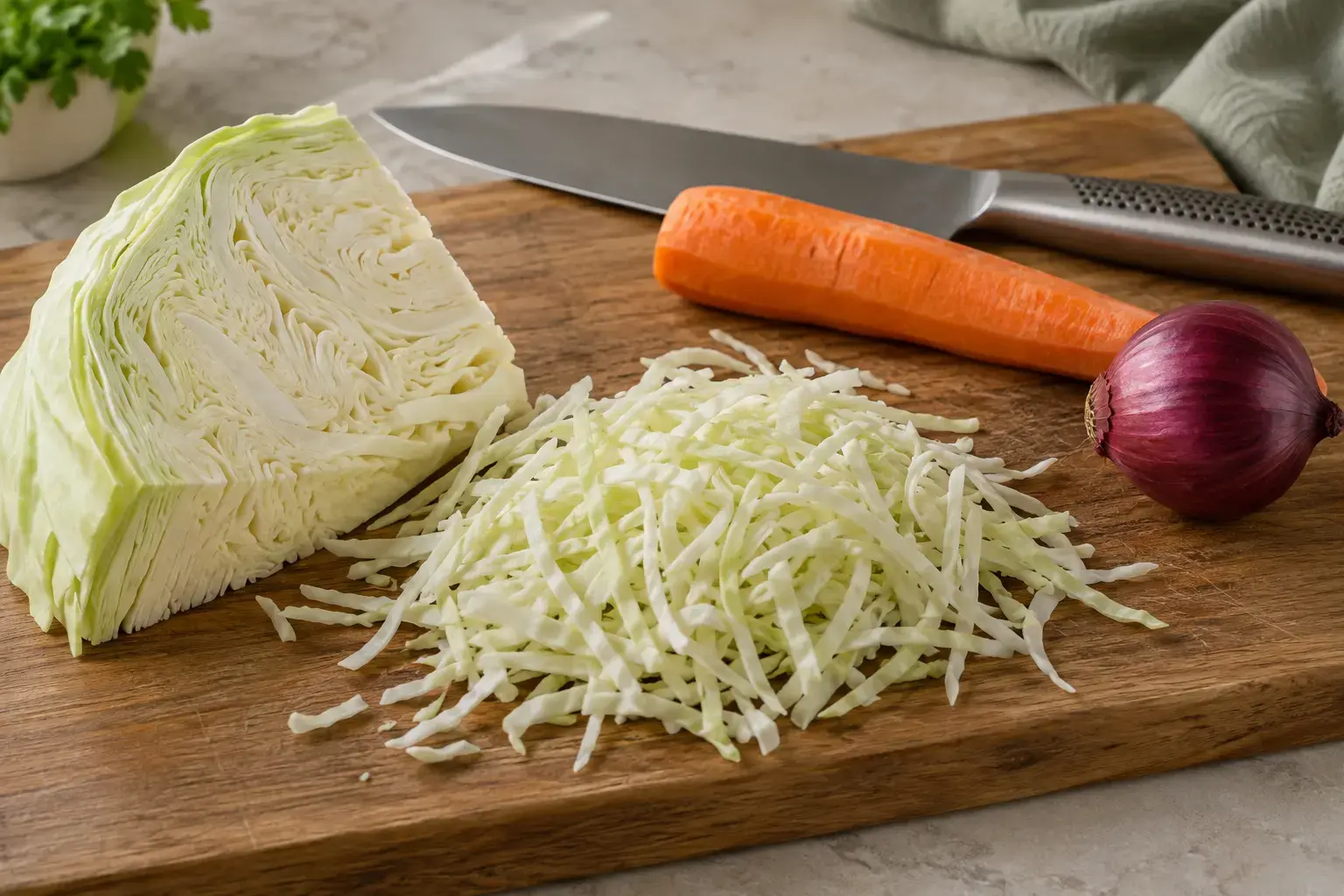
Useful tools for a small batch
A roomy bowl and a colander are the main tools for this recipe. Jars are optional for storing portions; there is no reason to buy a canning setup just to use half a cabbage.
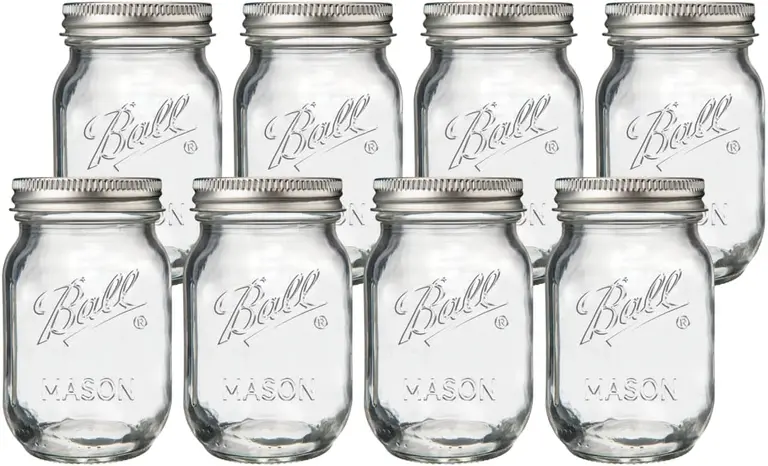
Ball Pint Mason Jars · 16 oz
Pint jars for chilled slaw portions; this six-cup cabbage batch needs several containers. Prepare and toss it in a mixing bowl first.
View on Amazon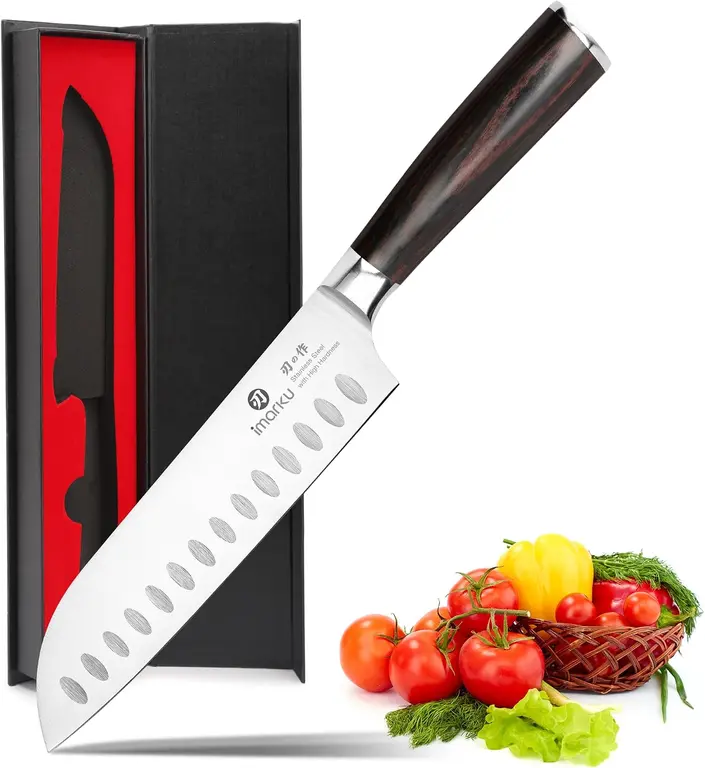
imarku Santoku Knife · 7 in
A knife option for preparing cabbage slaw on a stable board. A sharp knife you already own can do the same job; consistent thickness matters most.
View on Amazon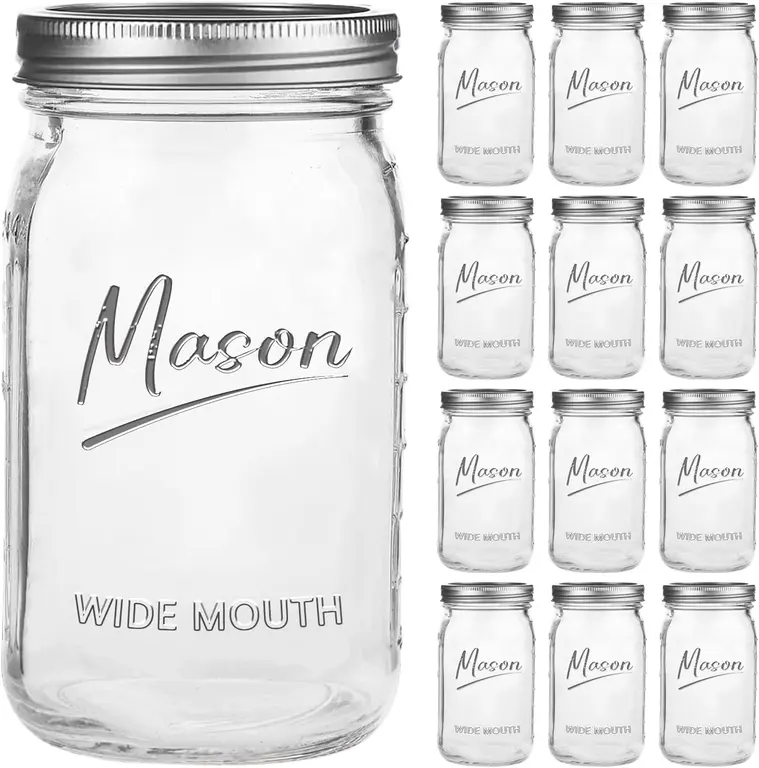
Wide-Mouth Mason Jars, 32 oz
A wider opening for serving chilled cabbage slaw. Choose enough containers for the prepared batch and keep it refrigerated; no canning process is involved.
View on AmazonAffiliate links · Your price stays the same.
Use food-safe containers suitable for acidic food. Follow the container manufacturer’s temperature guidance, especially when adding warm brine. You do not need a canner for a refrigerator recipe.
The small detail that prevents watery slaw
The hot rinse briefly softens the cabbage. It is followed by a cold rinse and thorough draining before the other ingredients are added. Arrange the colander securely in the sink, keeping hands and forearms away from the steam and splash. A full kettle or pan is heavy, so pour slowly rather than trying to empty it in one movement.
After draining, toss the cabbage lightly in the colander to release trapped water. Do not put the colander into a bowl of its own draining liquid. Excess rinse water makes the finished dressing taste weak and leaves a puddle around the slaw. The aim is well-drained, flexible shreds, not cooked cabbage and not a jar of vegetables submerged in brine.
Make the batch in 7 steps
Prepare the vegetables
Wash your hands and rinse the produce. Remove damaged cabbage leaves and the firm core.
Slice evenly
Shred the cabbage and carrot; thinly slice the red onion. Mince the optional pepper.
Rinse the cabbage
Put the cabbage in a stable colander. Carefully pour the 4 cups of boiling water over it, then rinse with cold water.
Drain thoroughly
Let the cabbage drain well. Discard all rinse water before transferring it to a large bowl.
Dress the slaw
Toss with the carrot, onion, vinegar, oregano, salt and optional pepper. Turn the mixture until evenly combined.
Chill
Cover and refrigerate for at least 1 hour before serving.
Portion and store
Toss again, take out a serving with clean utensils and promptly refrigerate the remainder. Label it with the preparation date.
Three meals to plan around one bowl
For a sandwich, lift the slaw with tongs and let excess dressing drip back into its container. It provides crunch beside cheese, a bean spread or leftover roast meat without soaking the bread as quickly as spooning on a ladle of liquid. Keep a packed sandwich and its slaw chilled until lunchtime.
For tacos or quesadillas, add the slaw after cooking so it stays fresh and crisp against the warm filling. A bowl built around rice, beans and roasted vegetables needs only a modest portion to change the balance of the meal. For a larger side dish, serve the slaw alongside grilled fish or a rich casserole. Put a small amount on the table first and replenish from the refrigerator as needed.
Adjust the serving, then improve the next batch
If the first bite tastes sharper than you expected, try it with the food it is meant to accompany. A plain forkful of dressed cabbage tastes very different from the same amount in a sandwich with bread and cheese. For a milder plate, use less slaw and add fresh vegetables alongside it instead of diluting the stored bowl with water.
If the slaw is hard to scoop, cut the cabbage shorter next time. If individual bites taste strongly of onion, slice that quarter-onion more finely rather than adding extra cabbage at the end. Keep a short note on the container label: vinegar used, whether you included chili, and what you served it with. Those details are more useful for repeating a favorite batch than an elaborate spice list.
Keep the batch connected to real meals
This recipe is a way to prepare a fresh side dish ahead, not an invitation to store a large harvest indefinitely. The 3–4 day plan here is a conservative use of general leftover guidance; Food Hero supplies the preparation method and one-hour chill, not a separate tested long-term shelf life for this slaw.
Use a covered food-safe container, place it on a refrigerator shelf and keep it away from raw-food drips. A normal appearance does not extend the storage plan. Discard a batch with mold, unusual gas, slime or an off odor, and do not taste questionable food to check it. Make the next bowl from fresh ingredients rather than topping up old slaw with new cabbage.
Frequently asked questions
Is this the same as sauerkraut?
No. This is cabbage dressed with vinegar and kept cold. Sauerkraut is a separate fermentation project; follow an appropriate fermentation method if that is the flavor and process you want.
Does the cabbage have to sit under brine?
No. This particular recipe is a tossed slaw. Its rinse water is discarded, and the measured vinegar coats the drained vegetables. Do not convert it into a jar recipe by adding water.
Can I leave out the hot pepper?
Yes. The pepper is optional. A mild bowl is convenient for shared meals because chili can be added to individual portions.
Do I need a jar or special lid?
A clean covered bowl or food-safe storage container is enough. Jars can help with portioning, but a sealed lid does not change the refrigerator-only storage rule.
Can I make it ahead for a picnic?
Yes, with continuous cold storage. Pack it in a cooler with ice packs, serve a small amount at a time and respect the room-temperature limits rather than leaving the whole batch on the table.
Sources and editorial notes
Adapted for US readers from the German counterpart. Recipe attribution and refrigeration boundaries are explained in the source notes.
- Oregon State University Food Hero: Pickled Cabbage Slaw
- USDA FSIS: Keep Food Safe — cooked-leftover guidance
- FoodSafety.gov: Prompt refrigeration and small containers
Food illustrations reused from the German counterpart; they do not document an in-house recipe test.