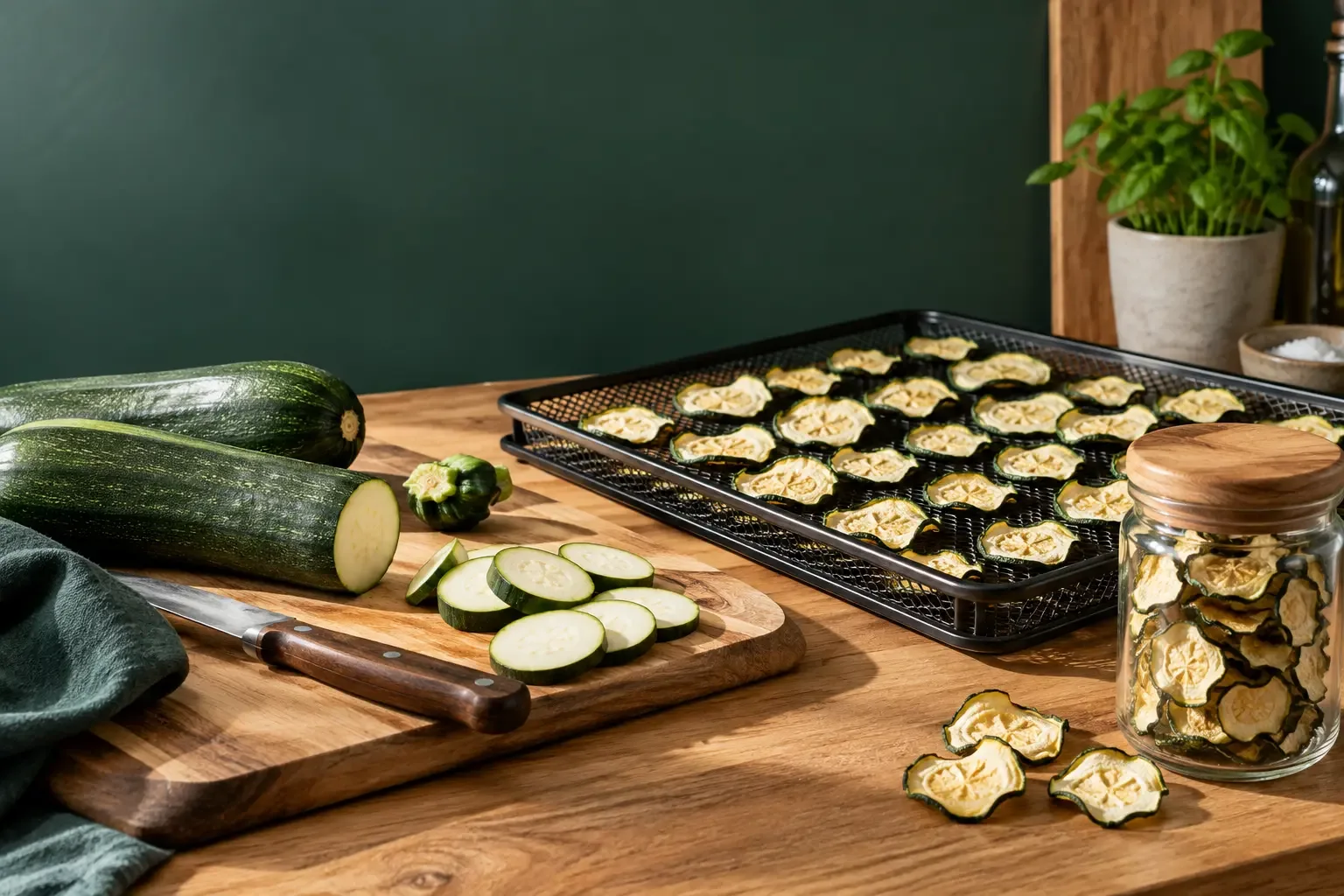
When the garden starts producing more zucchini than you can use fresh, dehydrating is one of the simplest ways to turn that surplus into a compact pantry ingredient. The key is not extreme heat. It is uniform slices, a controlled drying temperature, enough airflow and a reliable dryness check.
For a tested starting point, Pennsylvania State University recommends cutting summer squash into ¼-inch (6 mm) slices, blanching them, and drying at 135–140°F (57–60°C) for about 10–12 hours. Your actual finish time can still change with slice thickness, water content, tray loading, humidity and the dehydrator itself.
This guide is part of the Einfach Haltbar Dehydrating collection. If you are still learning the fundamentals, use the hub to move between fruit, vegetables, mushrooms and jerky without mixing their different safety rules.
How to dehydrate zucchini: quick answer
Wash young, firm zucchini, trim the ends and cut uniform ¼-inch slices. Steam blanch for about 2½–3 minutes or water blanch for about 1½ minutes, then cool and drain well. Arrange the slices in a single layer without overlap. Dry at 135–140°F until they are fully dry, typically around 10–12 hours for ¼-inch slices. Cool completely before packing in clean, dry, airtight containers.
Which zucchini are best for dehydrating?
Choose zucchini that are firm, sound and free from soft spots or decay. Smaller to medium zucchini are usually easier to work with because the skin is tender and the seed cavity is less developed. Very large garden zucchini can still be dried, but the center may be spongier and the seeds more pronounced.
- Best everyday choice: young, firm zucchini with unbroken skin.
- Skin: usually fine to leave on after thorough washing.
- Large zucchini: remove tough or oversized seeds if they interfere with even slices.
- Damaged produce: do not use moldy, rotten or badly bruised pieces for storage batches.
How to prepare zucchini for dehydrating
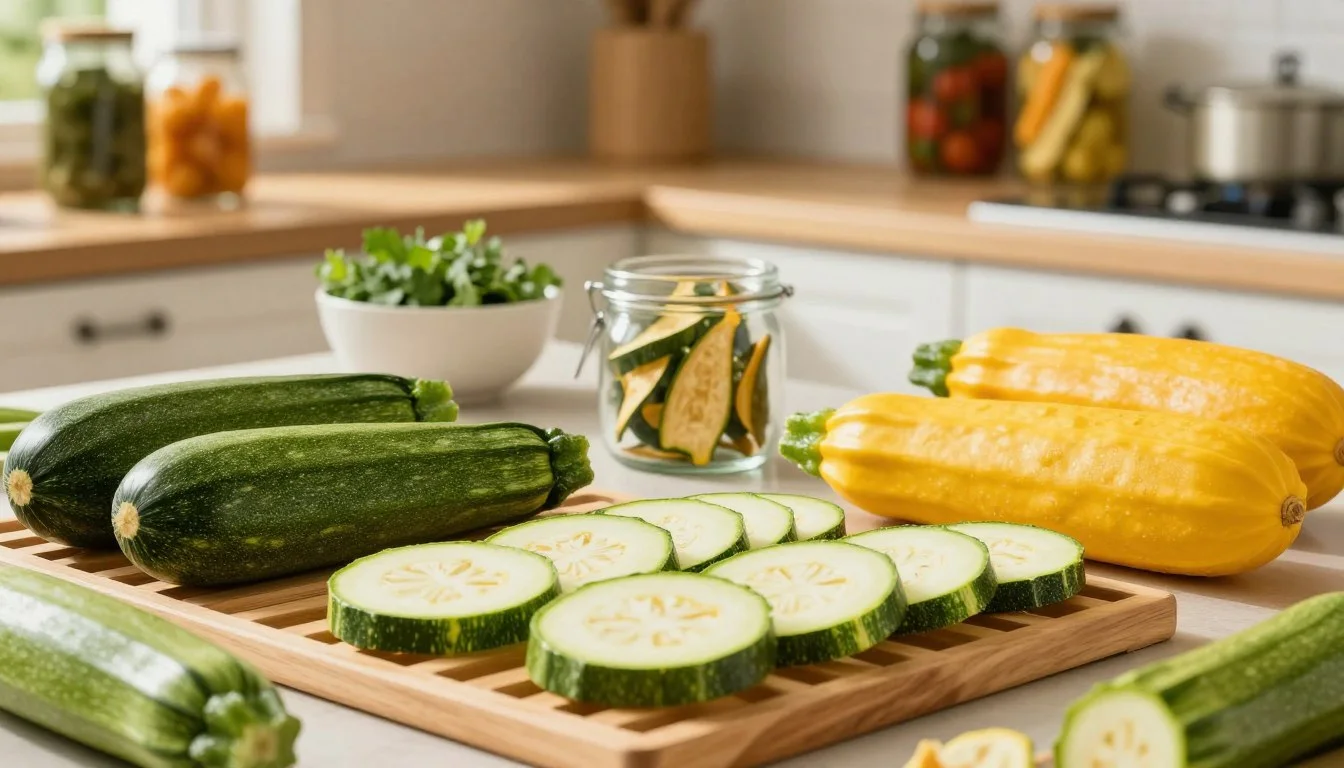
Wash the zucchini under cold running water and rub away visible soil. Trim both ends. The most important prep decision is the cut: pieces that are close to the same thickness finish at roughly the same time, while mixed thicknesses force you to remove some slices early and leave others behind.
Best zucchini slice thickness
For a reliable pantry-drying baseline, use ¼-inch (6 mm) slices. A mandoline can make this easier, but a sharp knife works if you can keep the slices consistent. If you deliberately cut thinner snack chips, expect them to finish sooner and begin checking early; do not simply apply the 10–12 hour guideline to a much thinner cut.
Affiliate disclosure: As an Amazon Associate I earn from qualifying purchases. Product links may earn Einfach Haltbar a commission at no extra cost to you. We did not personally test the products below; model details and listing images can change, so verify the exact linked listing before ordering.
Three mandoline options for even zucchini slices
A mandoline is optional, but it can make consistent ¼-inch slices easier to repeat. These are three different slicing options; choose the design that best fits your kitchen workflow.
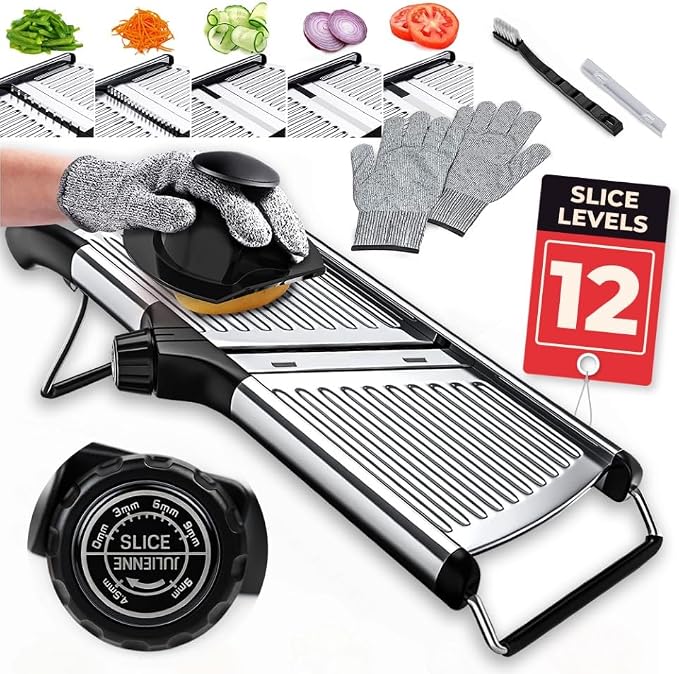
Gramercy Mandoline Slicer – Black Edition
An adjustable mandoline option for producing repeatable zucchini slices when you want more consistency than freehand knife cuts.
View on Amazon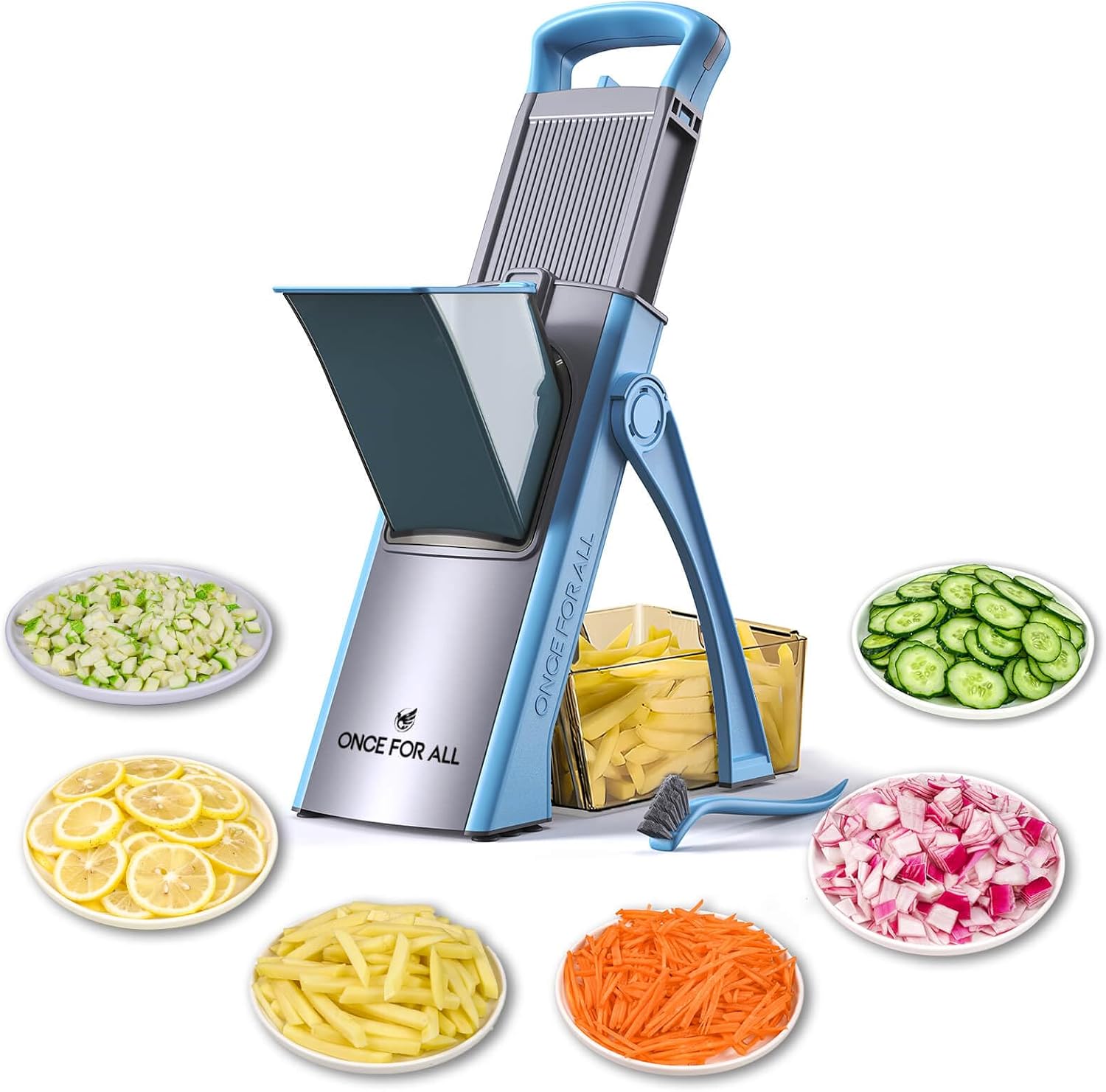
ONCE FOR ALL Upgrade Safe Mandoline Slicer Plus
A larger pusher-style slicer option for making uniform slices without relying on freehand thickness from one piece to the next.
View on Amazon
OXO Good Grips Chef's Mandoline Slicer 2.0*
A sturdy adjustable mandoline for producing more uniform slices. Consistent thickness matters because thin and thick pieces do not finish drying at the same time.
View on AmazonAffiliate links · Your price stays the same.
Should you blanch zucchini before dehydrating?
For the tested summer-squash procedure used as the baseline in this guide, yes. Penn State lists 2½–3 minutes of steam blanching or 1½ minutes of water blanching before dehydrating ¼-inch slices. Blanching helps slow enzyme activity and gives you a more standardized process than simply putting raw, thick slices straight on the trays.
After blanching, cool the slices promptly and drain them thoroughly. Surface water adds drying work, so let excess water escape before the trays go into the dehydrator.
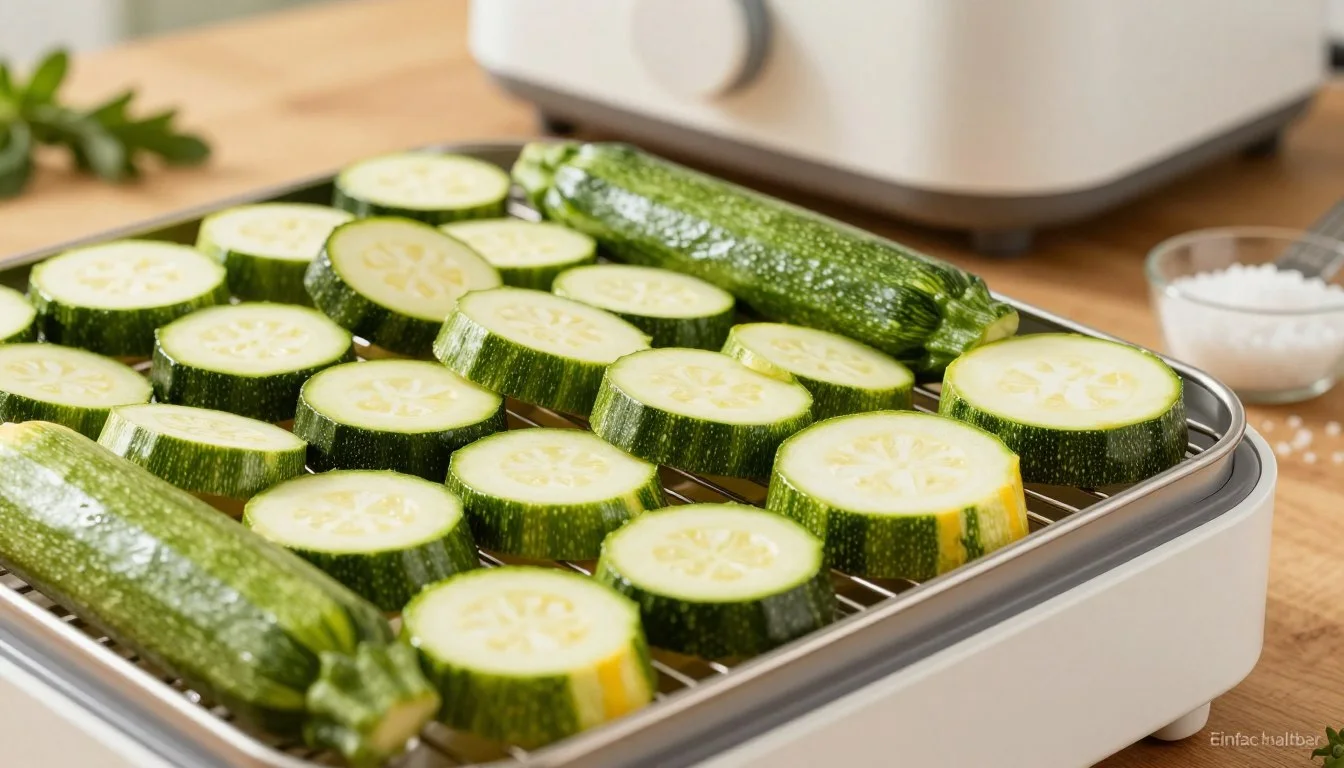
How to dehydrate zucchini in a food dehydrator
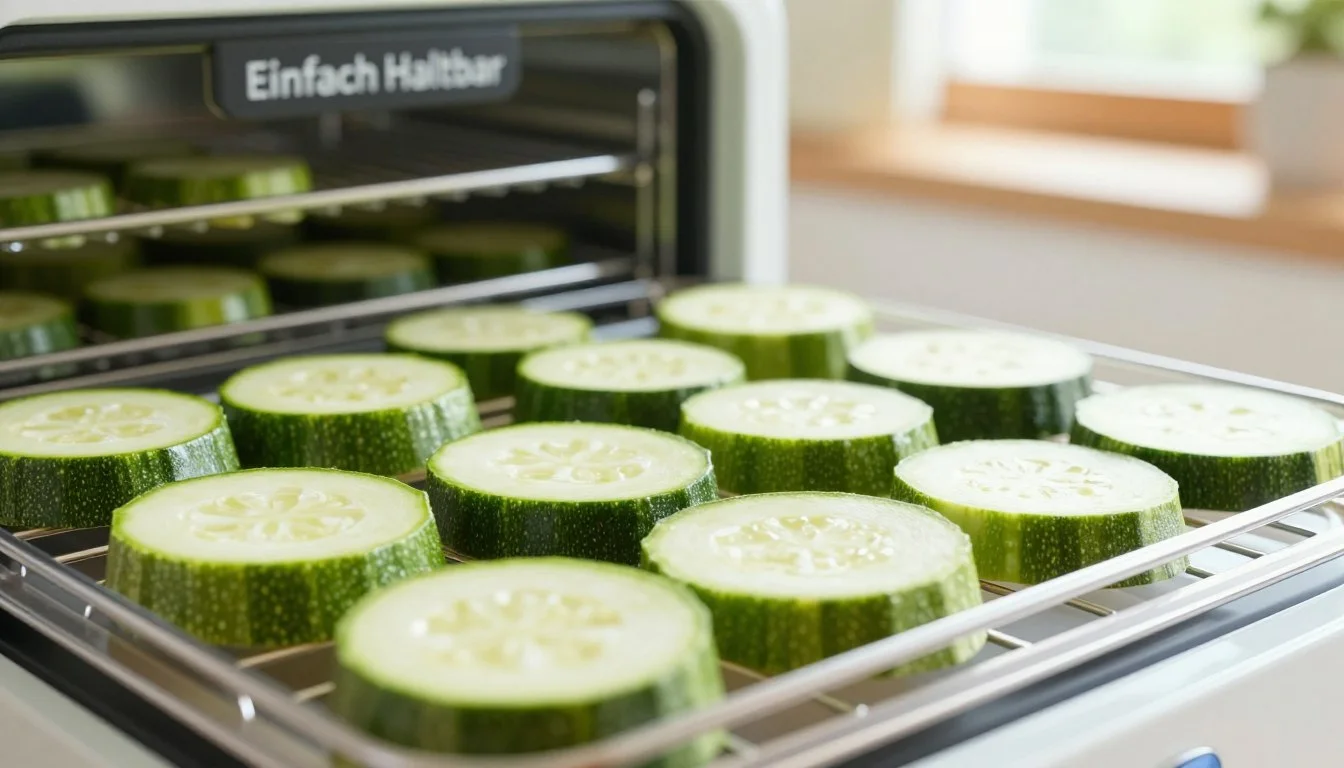
Step 1: Arrange slices in one layer
Spread the drained slices across the trays without overlap. Crowding slows moisture removal and creates a batch where the outer pieces may finish while the center pieces stay soft.
Step 2: Set 135–140°F
Use 135–140°F (57–60°C) for ¼-inch summer-squash slices, while also following the instructions for your dehydrator. A stable temperature and steady airflow are more useful than trying to speed the batch with excessive heat.
Step 3: Start checking before the expected finish
The 10–12 hour figure is a practical reference for ¼-inch slices, not a timer you can follow blindly. Start checking before the upper end of the range, especially if some slices are thinner, your room is dry or your dehydrator has strong horizontal airflow. Remove fully dried pieces and leave thicker pieces to continue.
Step 4: Cool a test piece and check the center
Warm food can feel softer than it will after cooling. Take a few of the thickest pieces from different trays, let them cool briefly and check the center. For pantry storage, there should be no soft, wet or spongy pocket left. The final texture should be dry, brittle or crisp rather than moist and flexible.
Zucchini dehydrating time and temperature chart
| Cut | Prep | Temperature | Time checkpoint | Done when |
|---|---|---|---|---|
| ¼-inch / 6 mm slices | Steam blanch 2½–3 min or water blanch 1½ min | 135–140°F / 57–60°C | About 10–12 h | Dry, brittle to crisp; no damp center |
| Thin snack chips | Keep the cut uniform and monitor closely | Use the dehydrator's appropriate vegetable setting | Begin checking earlier | Crisp and fully dry |
| Thicker or uneven pieces | Not preferred for repeatable batches | Use controlled vegetable-drying heat | Can take longer | The thickest cooled piece is fully dry |
Table notes
How to make dehydrated zucchini chips
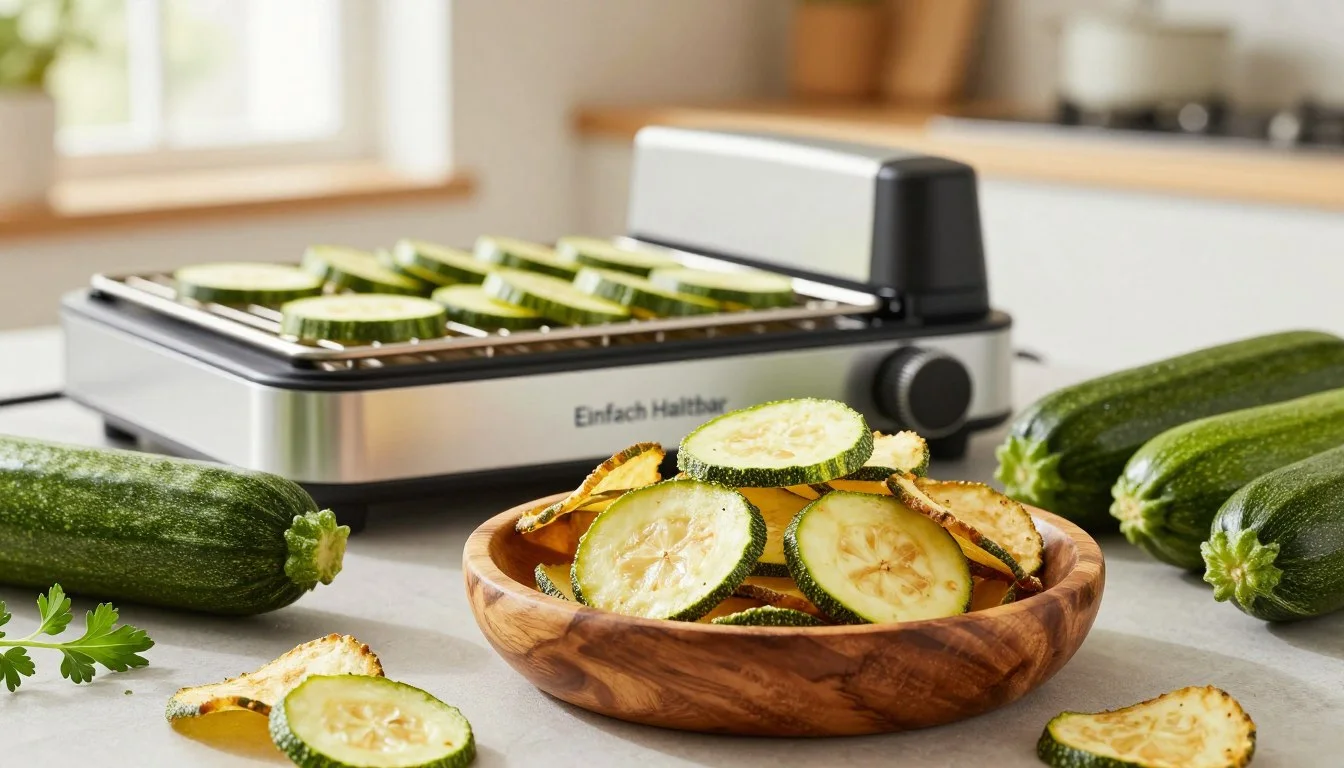
If your goal is a crisp snack rather than a rehydration ingredient, slice the zucchini thinner and keep every slice as even as possible. Season lightly because flavors become more concentrated as moisture leaves the food.
- Smoked or sweet paprika
- Garlic powder
- Oregano or thyme
- Chili flakes
- A light pinch of salt after drying if you prefer more control over the final saltiness
Do not add a heavy coating of oil before long-term storage. If you make an oil-seasoned snack batch, treat it as a snack for prompt use rather than assuming the same pantry-storage behavior as plain, fully dried vegetables.
Can you dehydrate zucchini in the oven?
An oven can remove moisture, but a food dehydrator gives you better control over low temperature and airflow. If your oven cannot reliably hold a low drying temperature or release moisture, it is not equivalent to a dedicated dehydrator. Use a dehydrator for the most repeatable pantry-drying process and follow your oven manufacturer's instructions if you choose the oven route.
Common zucchini dehydrating mistakes
- Uneven slices: thin pieces finish while thick pieces remain damp.
- Skipping airflow: overlapping slices block the path moisture needs to escape.
- Relying only on the clock: thickness, humidity and equipment change drying time.
- Packing warm zucchini: residual heat can create condensation inside a closed container.
- Storing pieces with a soft center: vegetables intended for pantry storage need to be fully dried.
- Treating zucchini like fruit: fruit conditioning guidance is not the same as vegetable drying guidance.
How to store dehydrated zucchini
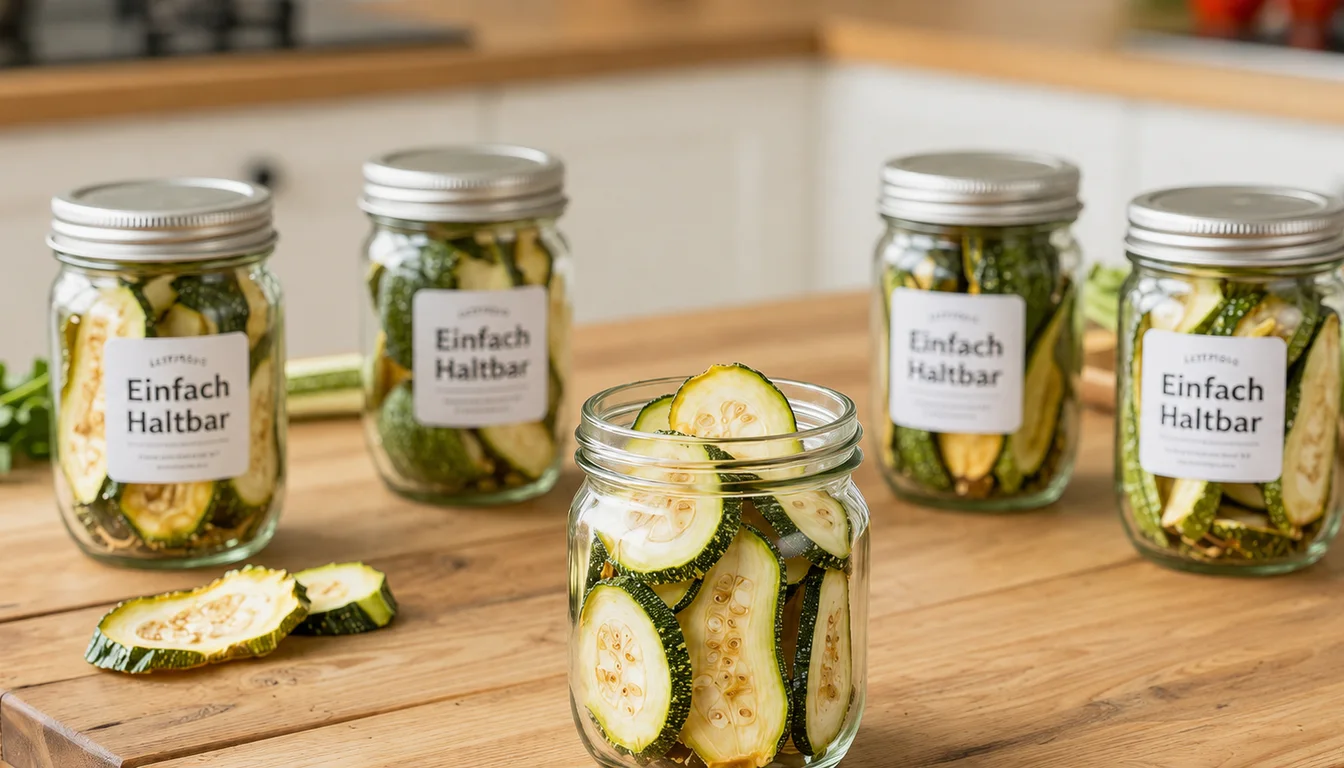
Once the zucchini is fully dry, let it cool completely. Pack it promptly in clean, dry, moisture-resistant containers and keep the containers in a cool, dry, dark place. Penn State specifically notes that dried squash readily absorbs moisture from the air, so leave the container closed until you need it.
Do not rely on a universal shelf-life promise. Storage life depends on how dry the food actually is, the package, temperature and how often the container is opened. If you see condensation or detect moisture, remove the food and dry it further rather than leaving it sealed.
Useful gear for zucchini batches
You do not need a cabinet full of equipment. A dehydrator solves the drying problem; airtight containers solve everyday pantry storage; vacuum sealing can be useful when you want compact bagged portions. For a broader machine comparison, see Best Food Dehydrators 2026. For storage-machine comparisons, see Best Vacuum Sealers 2026.
Three useful options for drying and storing zucchini
Choose only the tool that solves a real need in your workflow. We did not personally test these products. Confirm the exact current Amazon model, dimensions and included accessories before ordering.

COSORI 6-Tray Stainless Steel Dehydrator
A six-tray cabinet dehydrator with adjustable temperature control for regular fruit and vegetable batches.
View on Amazon
1-Gallon Glass Storage Jars
Large clear jars for organizing zucchini only after the pieces are fully dried and completely cool.
View on Amazon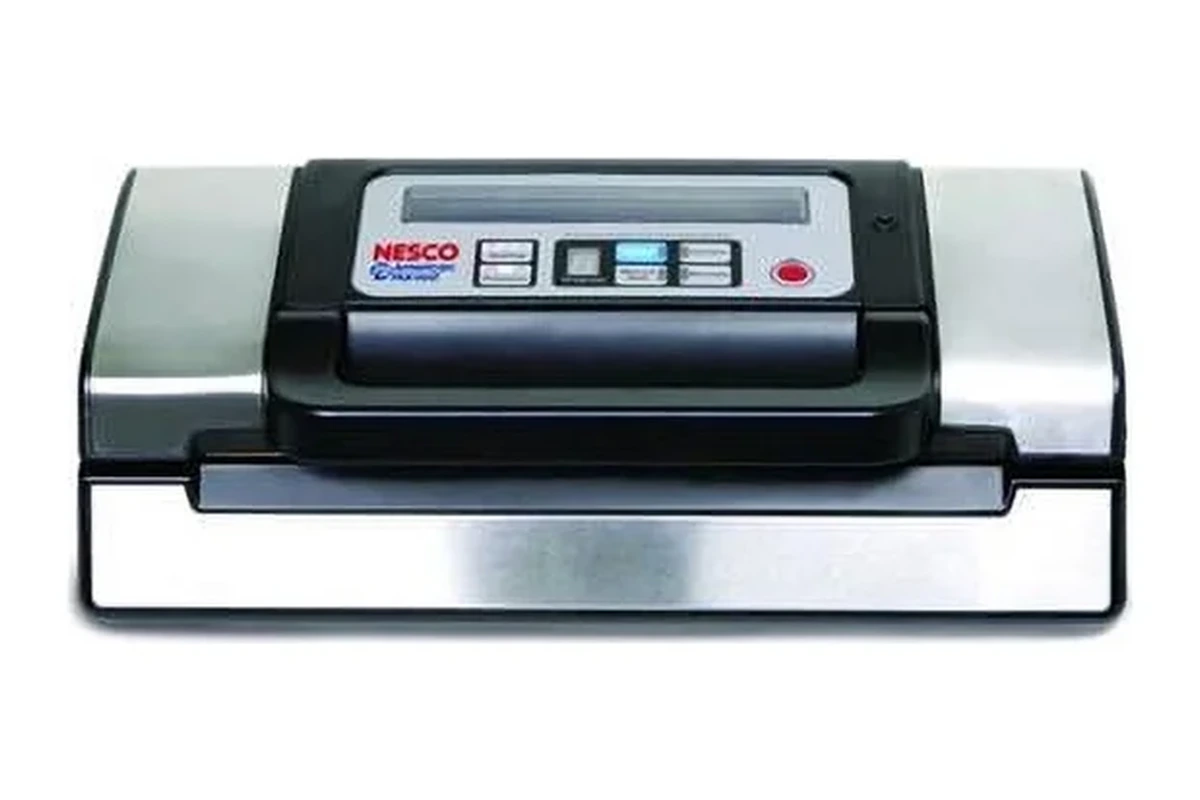
NESCO VS-12 Vacuum Sealer
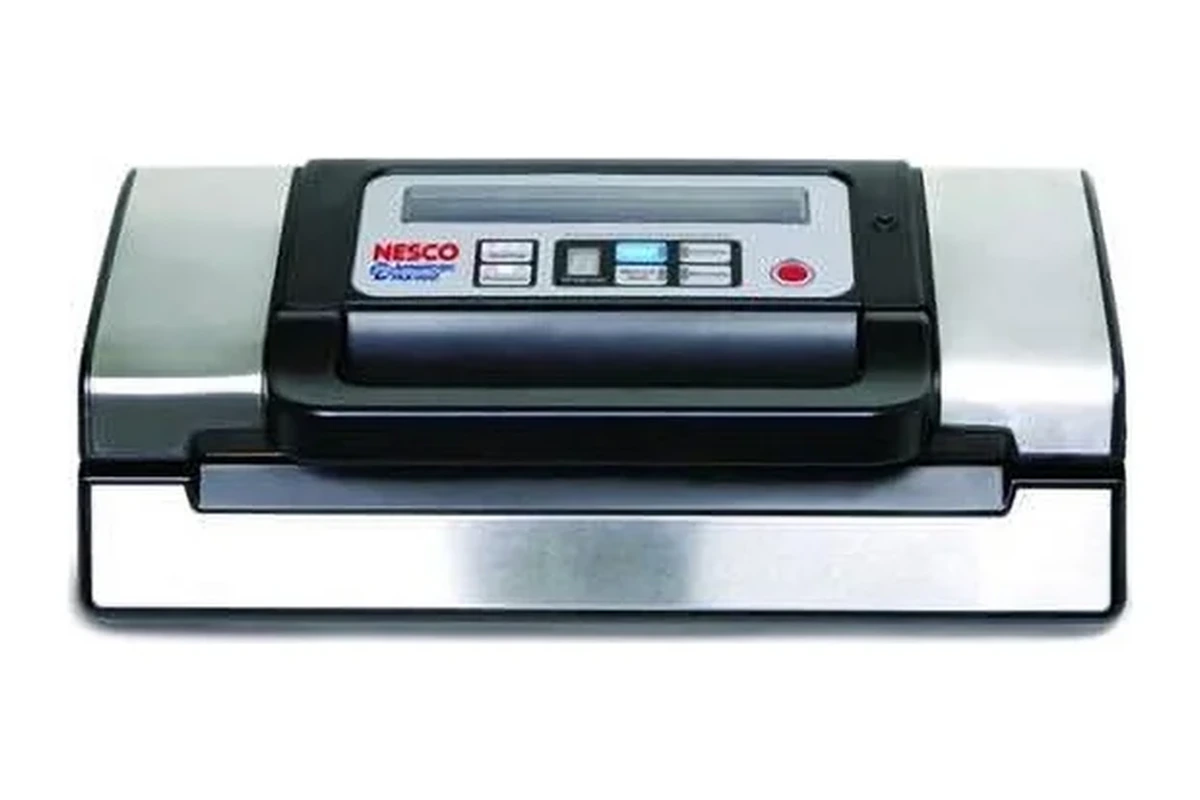
An optional sealer for portioning fully dried foods. Vacuum sealing is packaging; it never replaces complete dehydration.
View on AmazonAffiliate links · Your price stays the same.
How to use dehydrated zucchini
Dried zucchini is more useful than it first appears. Crisp chips can be eaten as a snack. Thicker dried slices can be rehydrated for soups, stews and casseroles, or broken into smaller pieces before they go into a simmering dish. You can also grind fully dried pieces into a vegetable powder for sauces, dips or seasoning blends.
If you want to keep expanding your pantry, compare the different finish textures in How to Dehydrate Apples, How to Dehydrate Mushrooms and How to Dehydrate Tomatoes. If you move from produce to meat, use the dedicated Beef Jerky in a Dehydrator guide because meat requires a different food-safety process.
FAQ
Frequently asked questions about dehydrating zucchini
What temperature should I dehydrate zucchini at?
For ¼-inch summer-squash slices, the tested reference used here is 135–140°F (57–60°C). Also follow the instructions for your dehydrator.
How long does zucchini take in a dehydrator?
About 10–12 hours is a useful reference for ¼-inch slices in the method used here. Treat that as a checkpoint because slice thickness, moisture, airflow and humidity can change the actual finish time.
Do you have to blanch zucchini before dehydrating?
The tested summer-squash process used here includes blanching: 2½–3 minutes in steam or about 1½ minutes in boiling water before cooling, draining and drying.
Can you dehydrate zucchini with the skin on?
Yes. Young zucchini with tender, sound skin can be washed, trimmed and sliced without peeling.
How do I know dehydrated zucchini is done?
Cool a few of the thickest pieces and check the center. For pantry storage they should be fully dry, with no soft or damp pocket. Properly dried vegetables should be brittle or crisp.
Do dehydrated zucchini slices need conditioning?
No. The 7–10 day conditioning step applies to dried fruit. Vegetables are dried much further—until brittle or crisp—and do not use that same conditioning process.
Can I vacuum seal zucchini that is still a little soft?
No. Vacuum sealing is packaging, not a substitute for complete drying. If a slice still has a damp center, keep drying it before storage.
Sources & method notes
- Penn State Extension – Let's Preserve: Squash and Pumpkins: ¼-inch summer-squash slices, blanching times, 135–140°F and 10–12 hour reference.
- Penn State Extension – Zucchini: current zucchini-specific drying and storage guidance.
- National Center for Home Food Preservation – Packaging and Storing Dried Foods: vegetable dryness and the distinction between vegetables and fruit conditioning.