Dehydrating
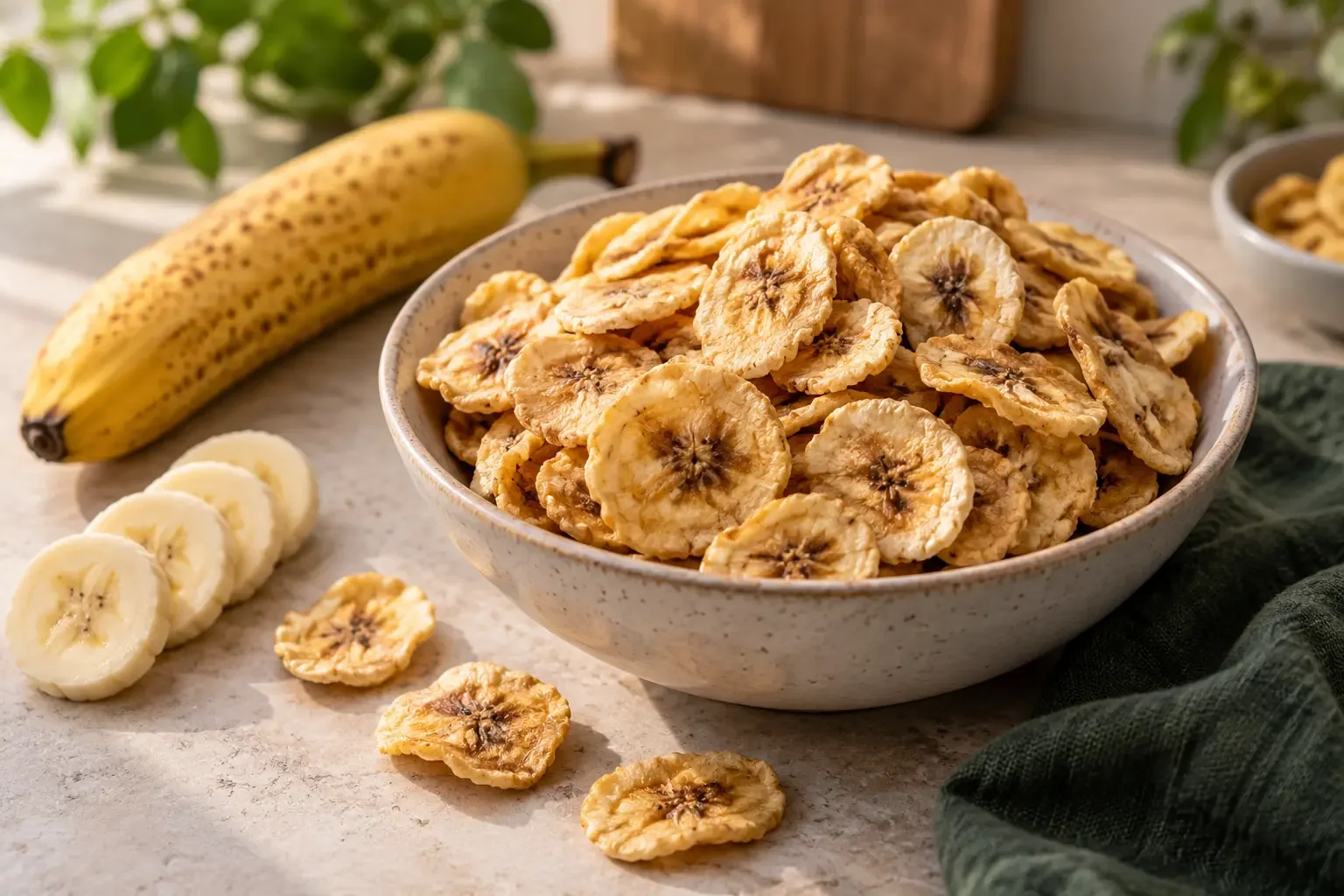
How to Dehydrate Bananas
Make banana slices for snacks, oatmeal, and trail mix; learn how thickness changes the texture.
Open guideDehydrating · Fruit, vegetables & jerky
Learn the method, then choose a project. Find temperatures, doneness checks and storage guidance for fruit, vegetables and jerky.
Start here
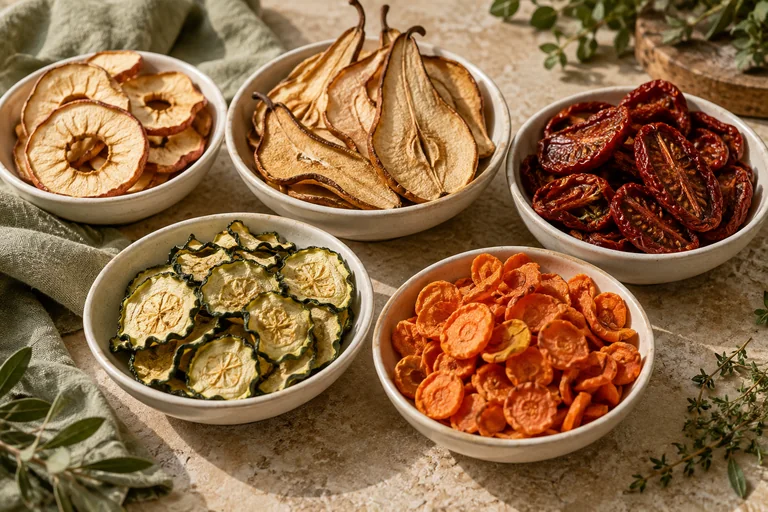
Understand preparation, airflow and dryness before your first batch. Use °F first, with °C alongside where you need it.
Open the full guideChoose a project
Dehydrating
Make banana slices for snacks, oatmeal, and trail mix; learn how thickness changes the texture.
Open guide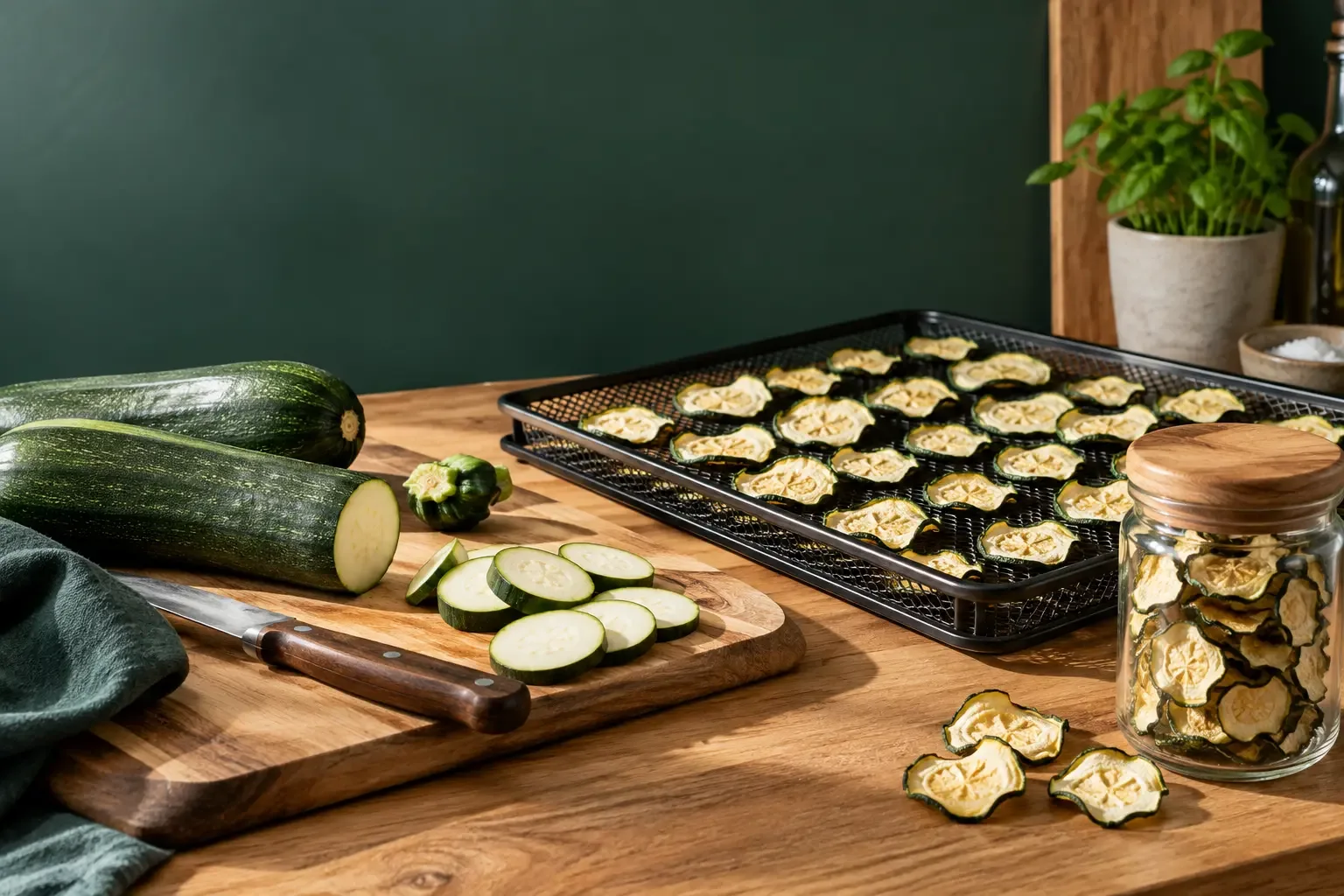
Dehydrating
Use extra zucchini for dried slices, chips, and ingredients you can add to later meals.
Open guide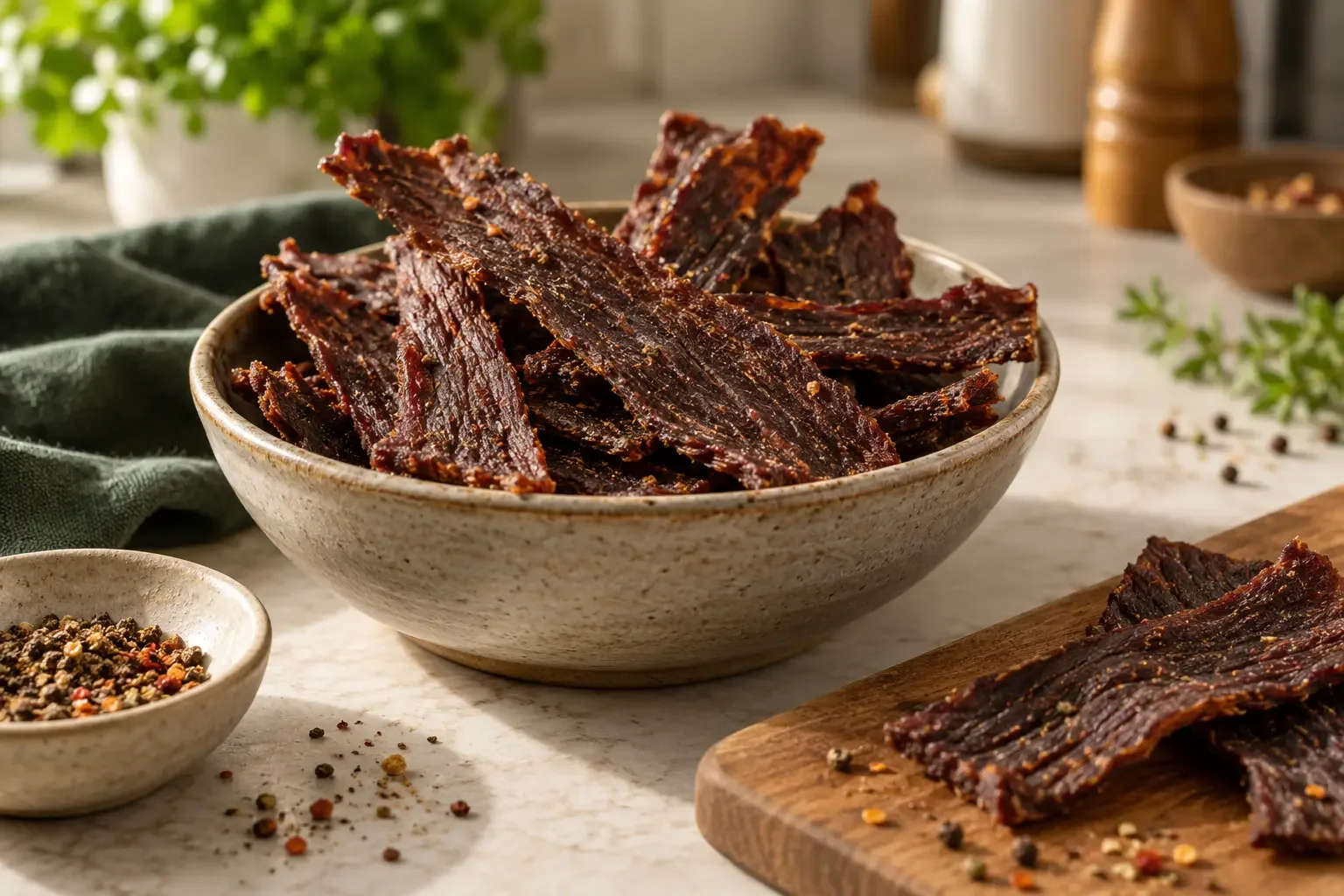
Dehydrating
Follow the meat-safety steps, slice and season your beef, and check jerky before storing it.
Open guide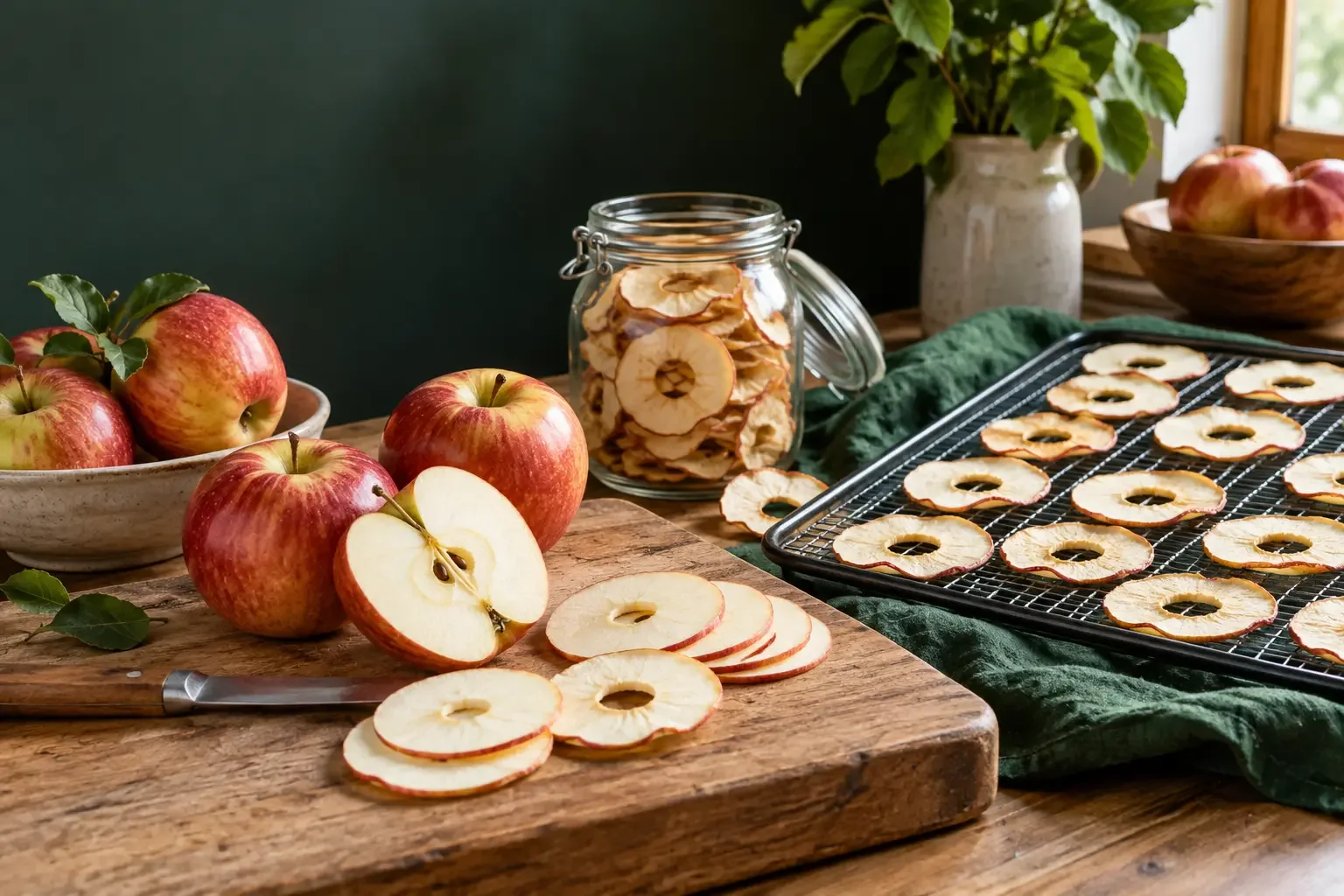
Dehydrating
Turn fresh apples into chewy rings or thin chips, with temperature, timing, and storage tips.
Open guide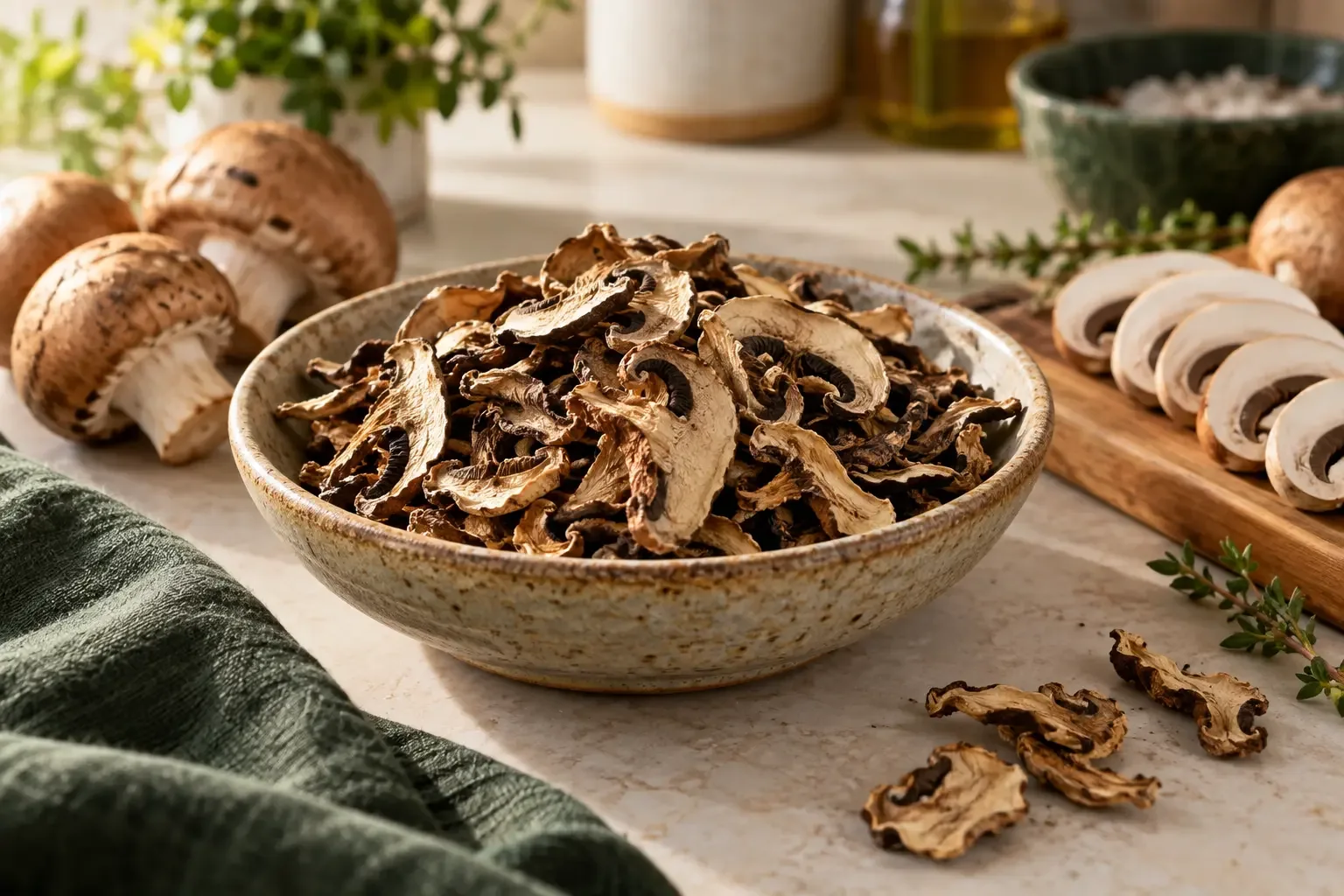
Dehydrating
Dry sliced mushrooms for soups, sauces, and pantry meals, then store them away from moisture.
Open guide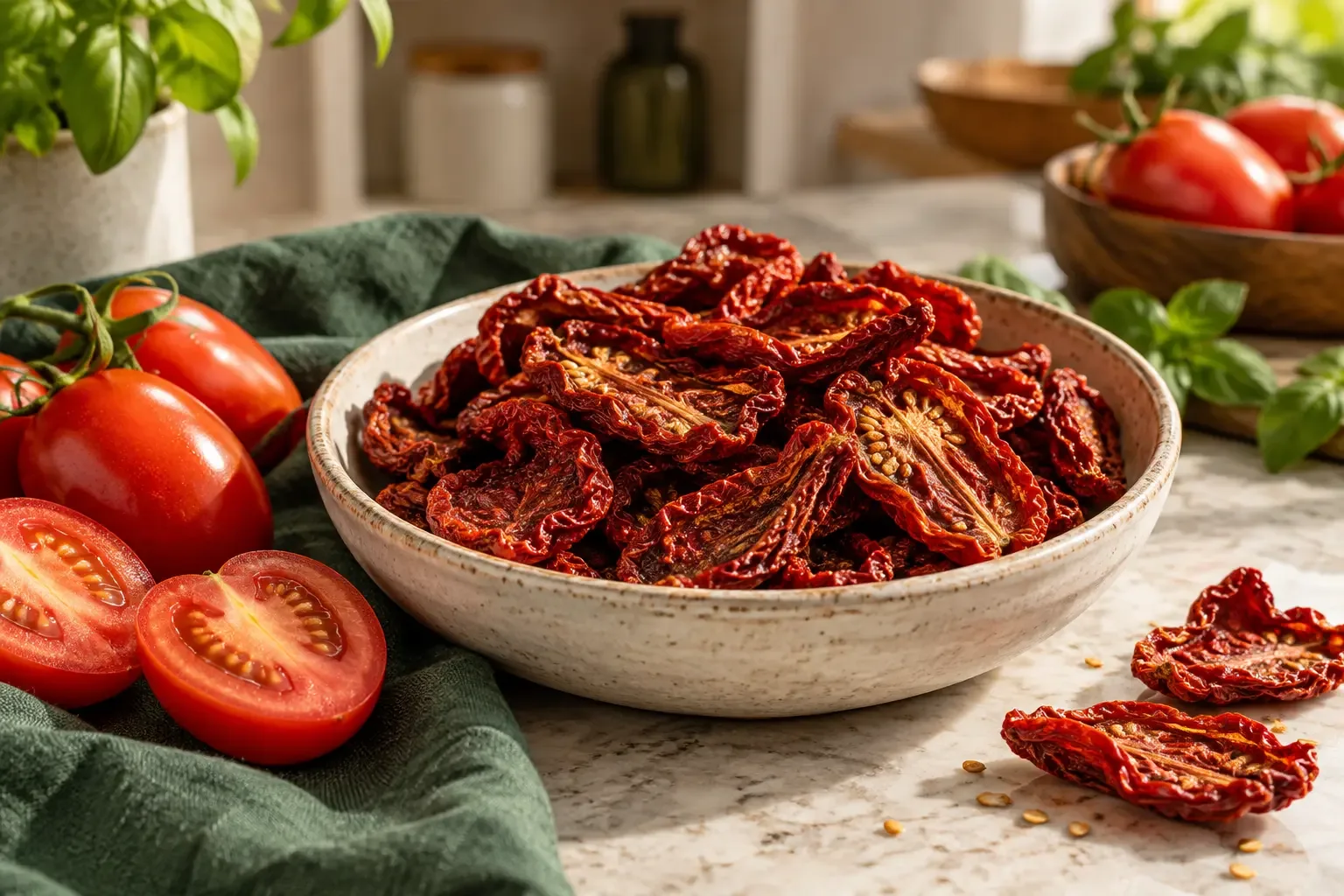
Dehydrating
Preserve ripe tomatoes for pasta, sauces, and snacks with clear drying and storage steps.
Open guide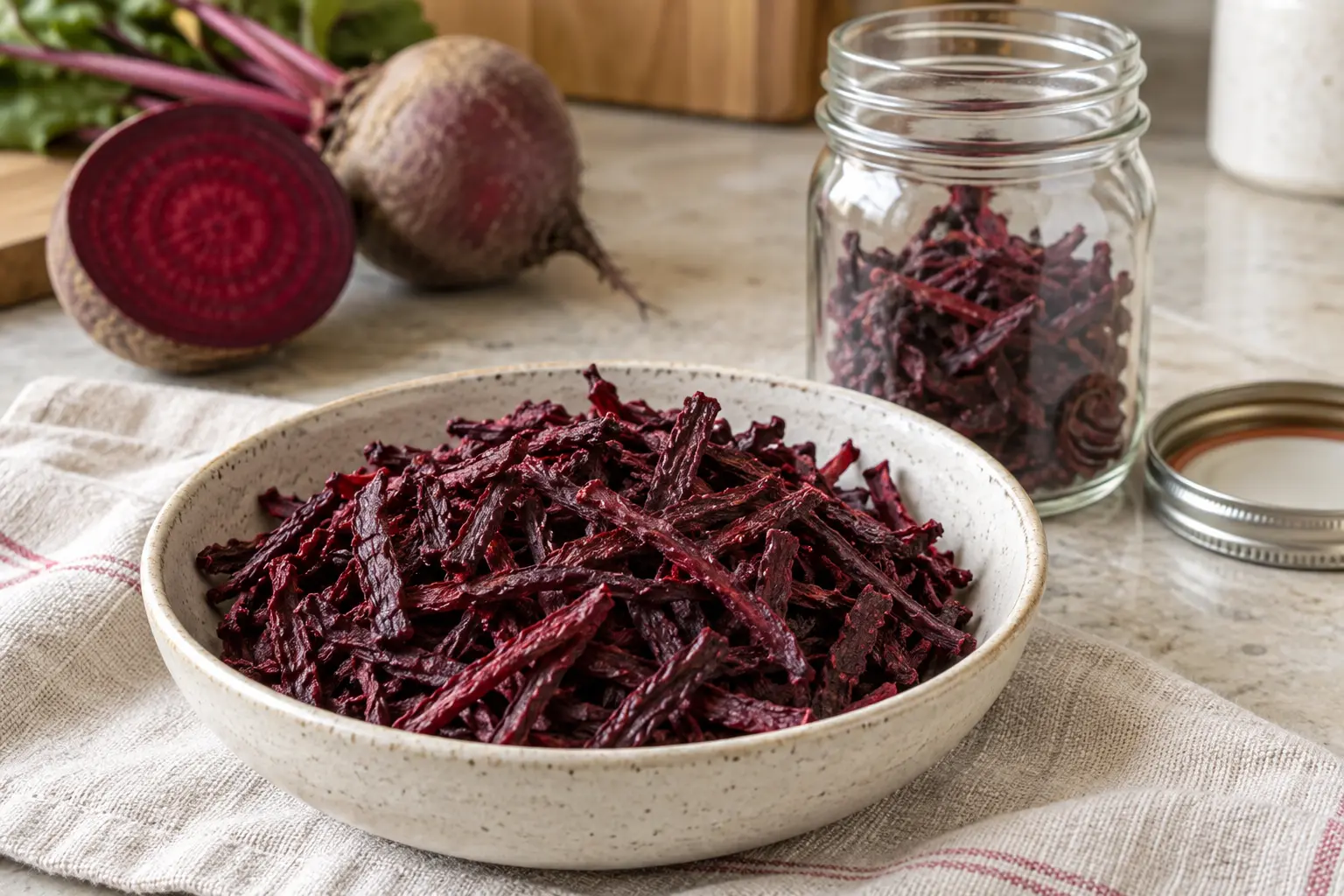
Dehydrating
Dehydrate cooked beets at 140°F: learn the right cut, a realistic drying time, how to check dryness, and ways to use your dried beet harvest.
Open guide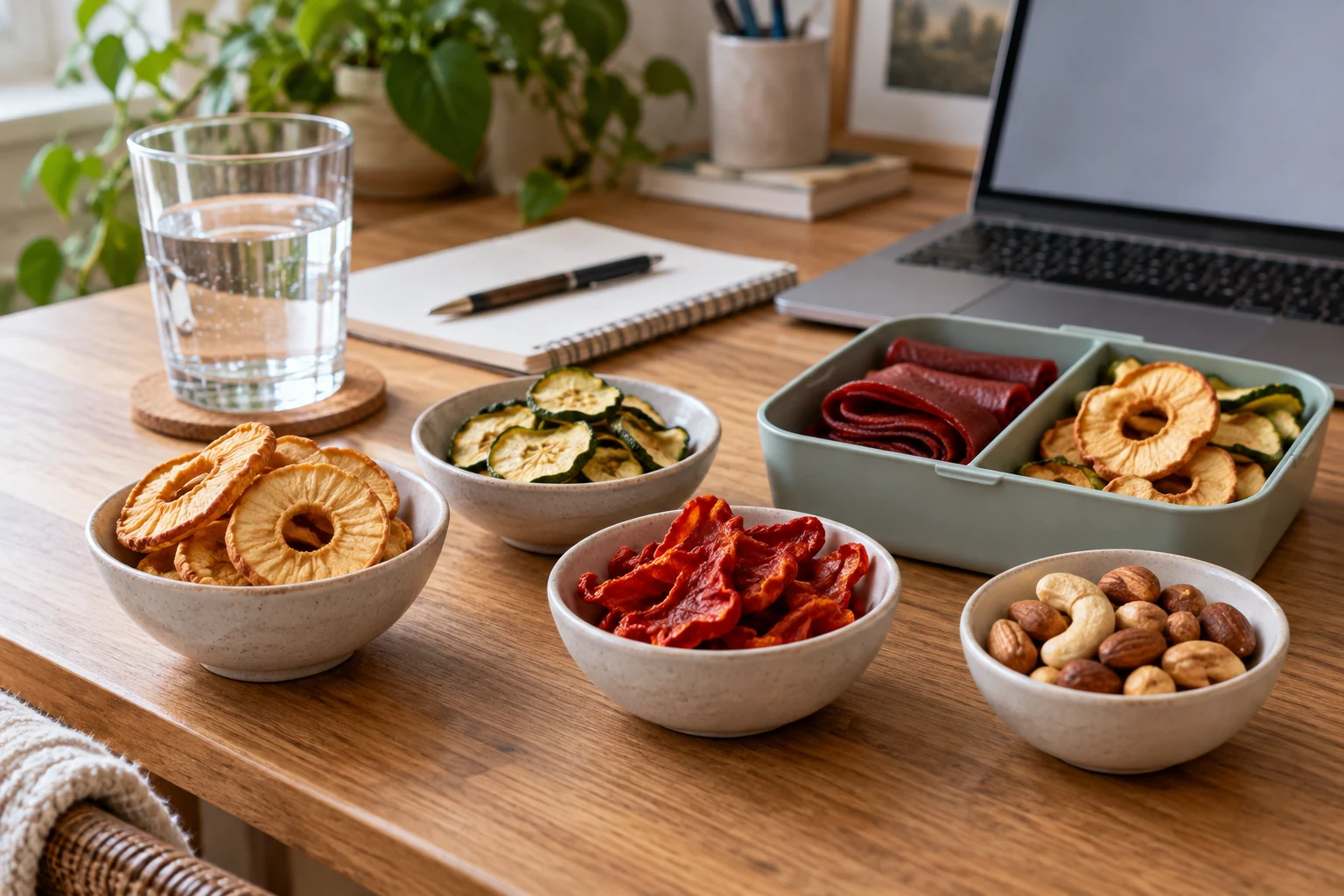
Dehydrating
Plan five dehydrated snack ideas for your workday, from apple rings to fruit leather. Keep recipes, dryness checks and storage specific to each food.
Open guide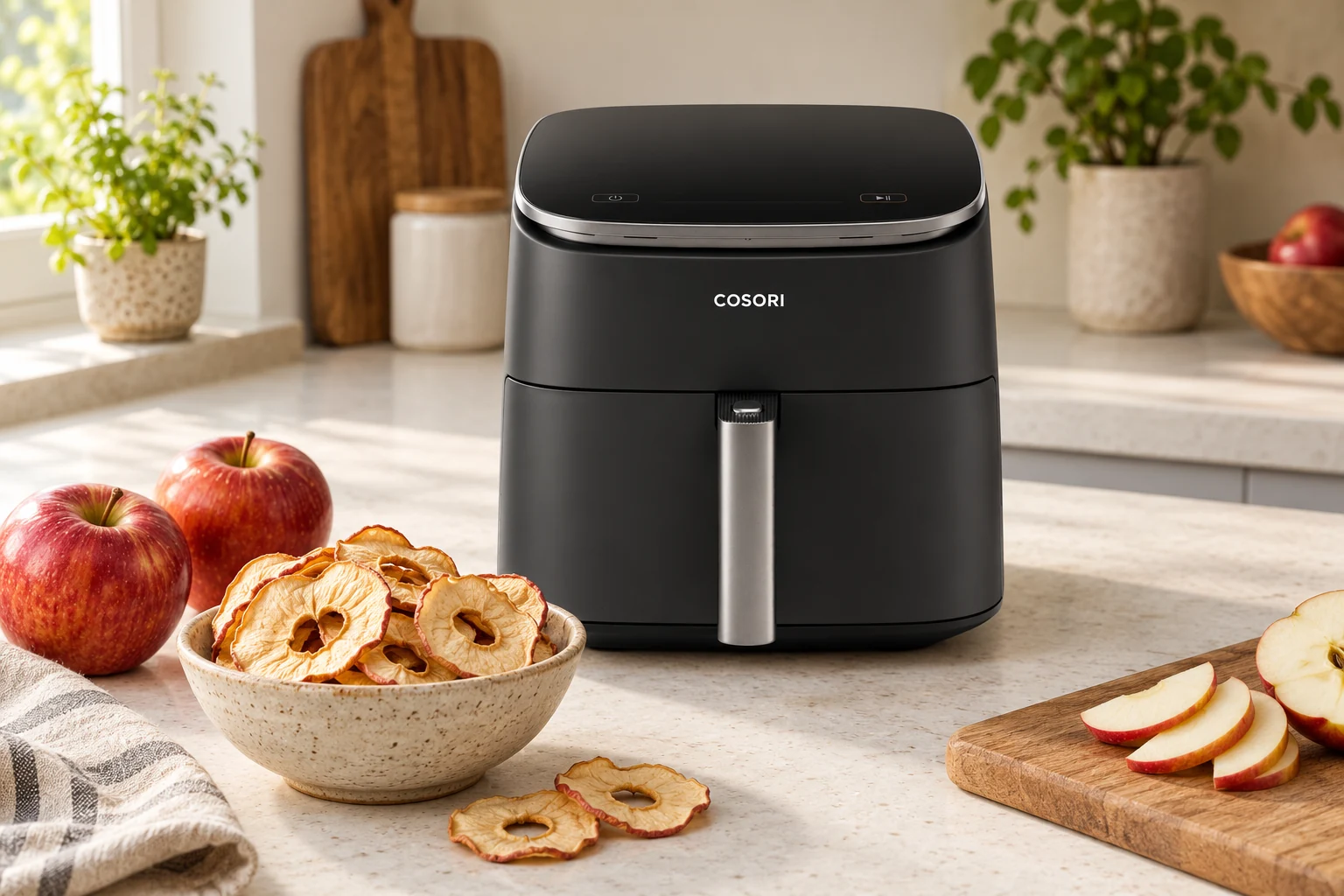
Dehydrating
Check whether your air fryer supports low-temperature drying, then plan fruit, vegetable or herb batches with the right prep and dryness test.
Open guide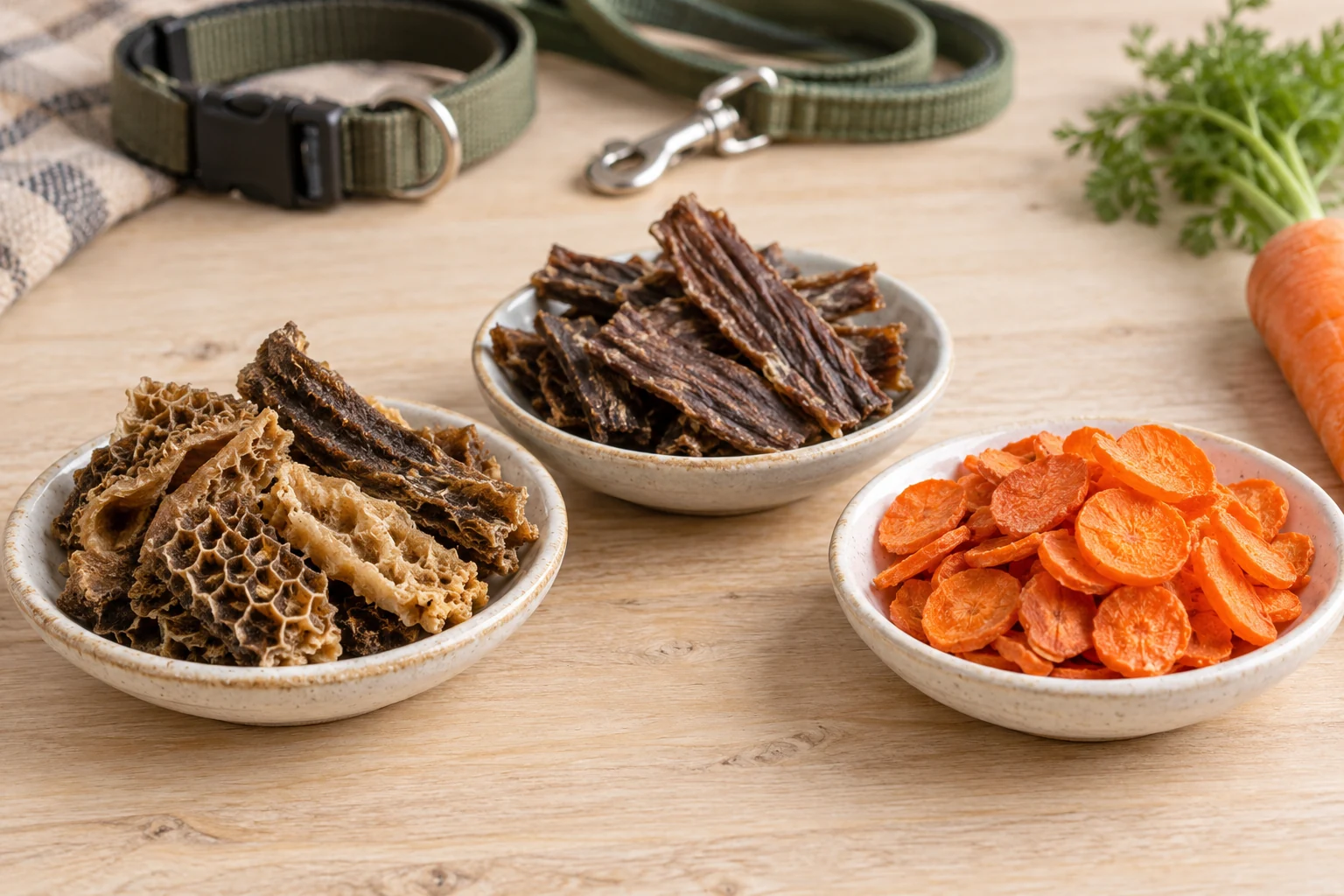
Dehydrating
Plan small homemade dog treats with suitable ingredients and a plain carrot example. Includes veterinary feeding boundaries, preparation and storage checks.
Open guide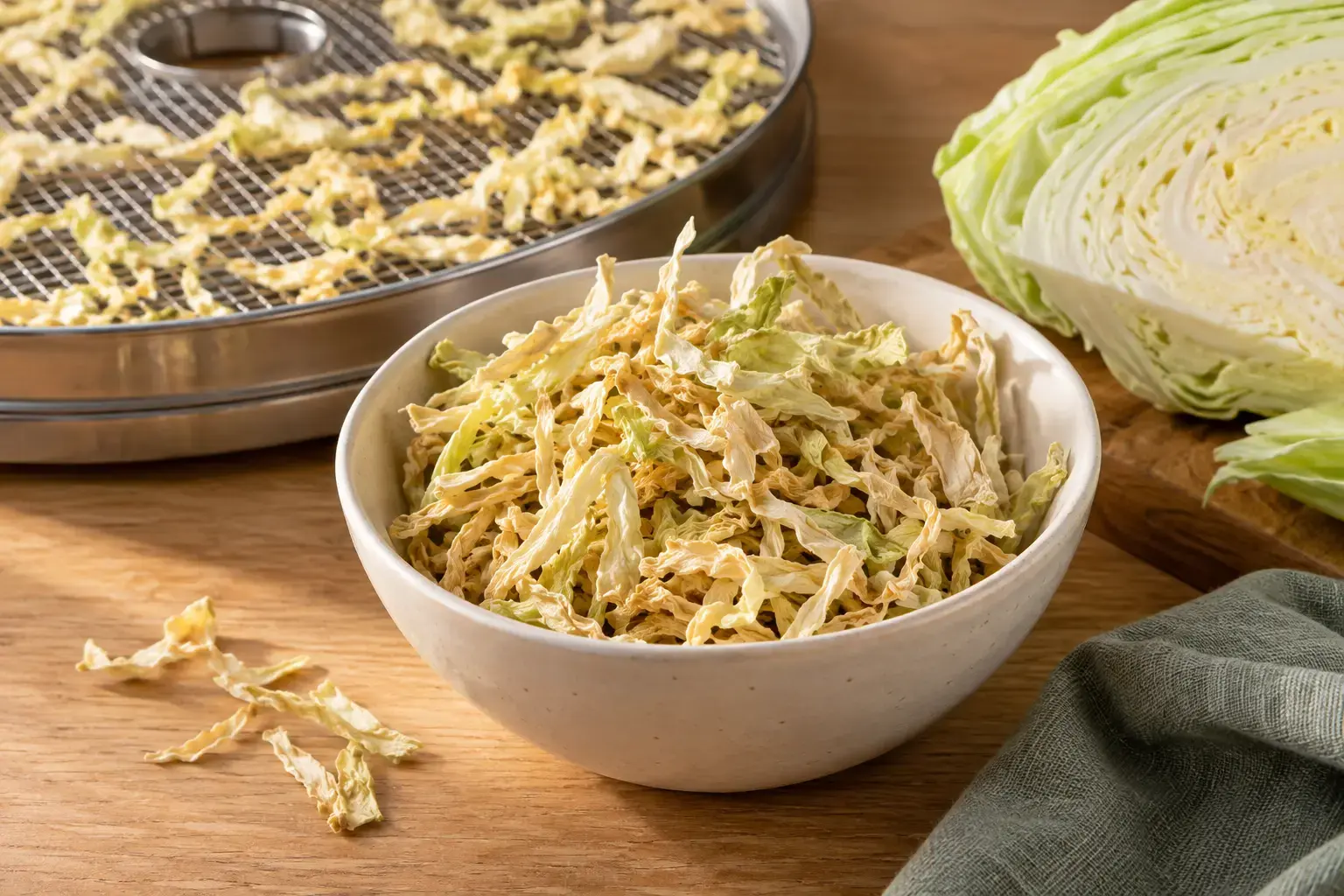
Dehydrating
Dry thin green cabbage strips at 140°F after steam blanching. Learn preparation, dryness checks, storage and using dried cabbage in cooked meals.
Open guide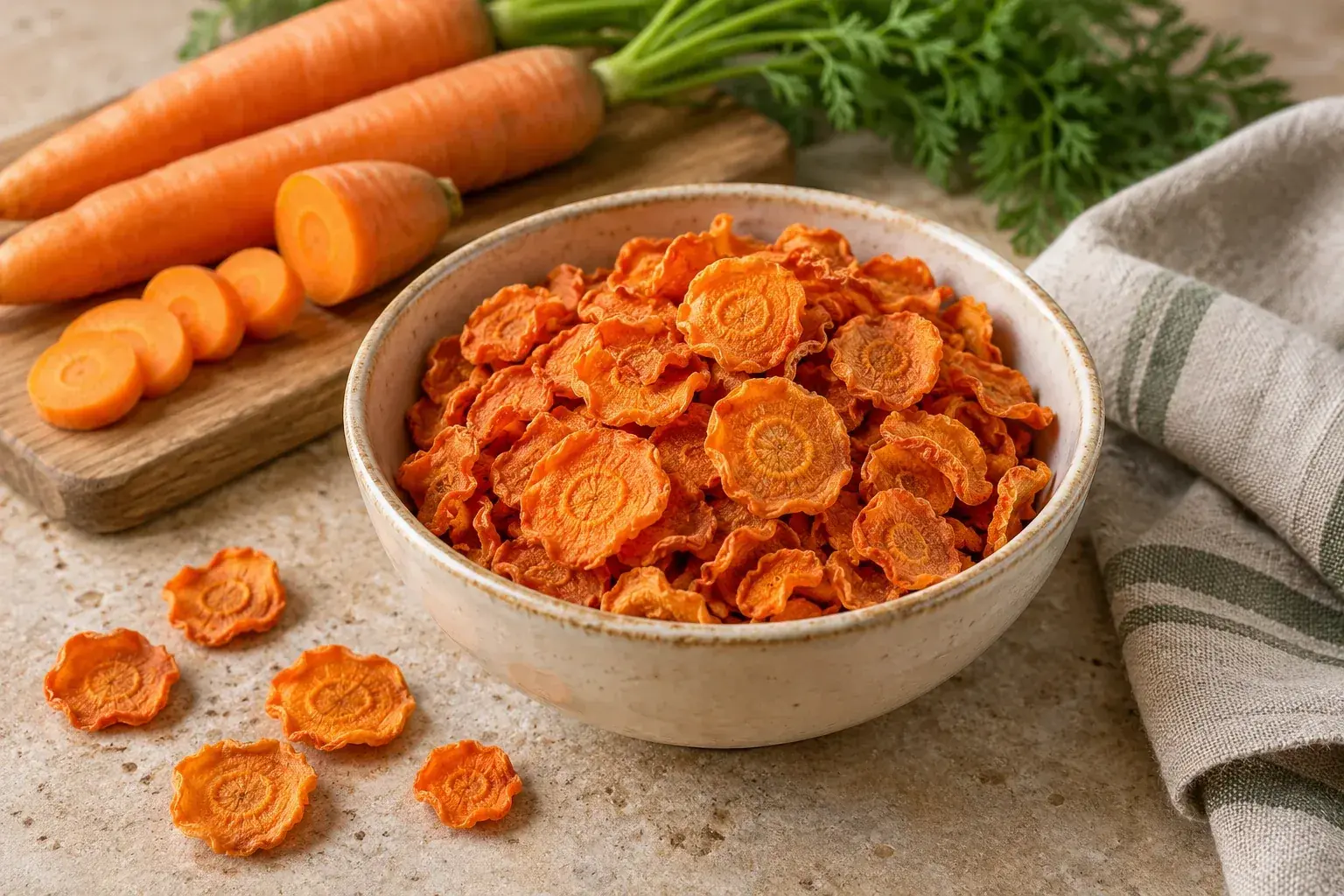
Dehydrating
Prepare thin carrot slices, use an altitude-aware blanching method and dry at 140°F. Check cooled pieces and learn how to store and cook with them.
Open guide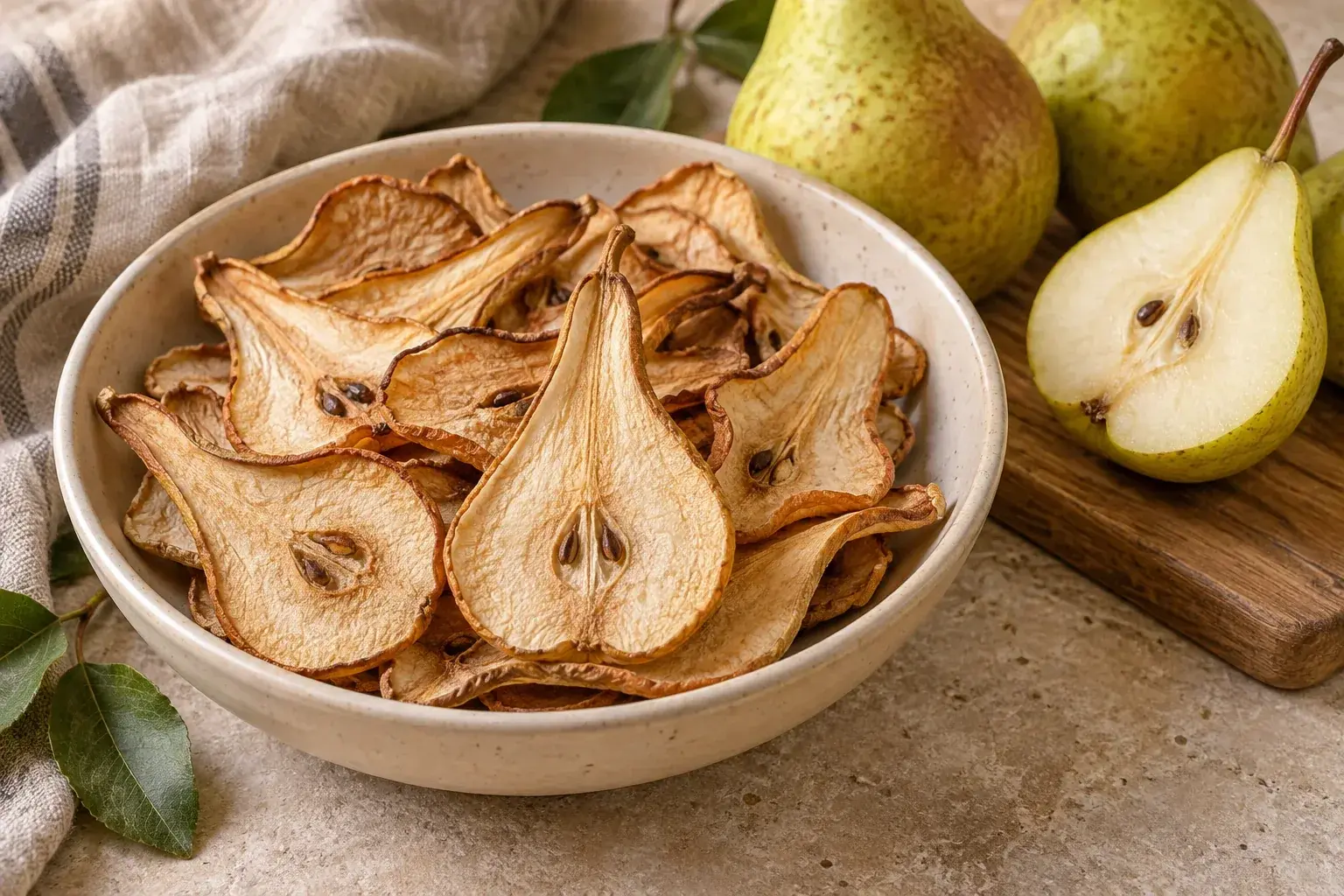
Dehydrating
Dry ripe pear slices at 135–140°F and learn the difference between a chewy finish and a damp center. Includes preparation, conditioning and storage.
Open guideYour next step
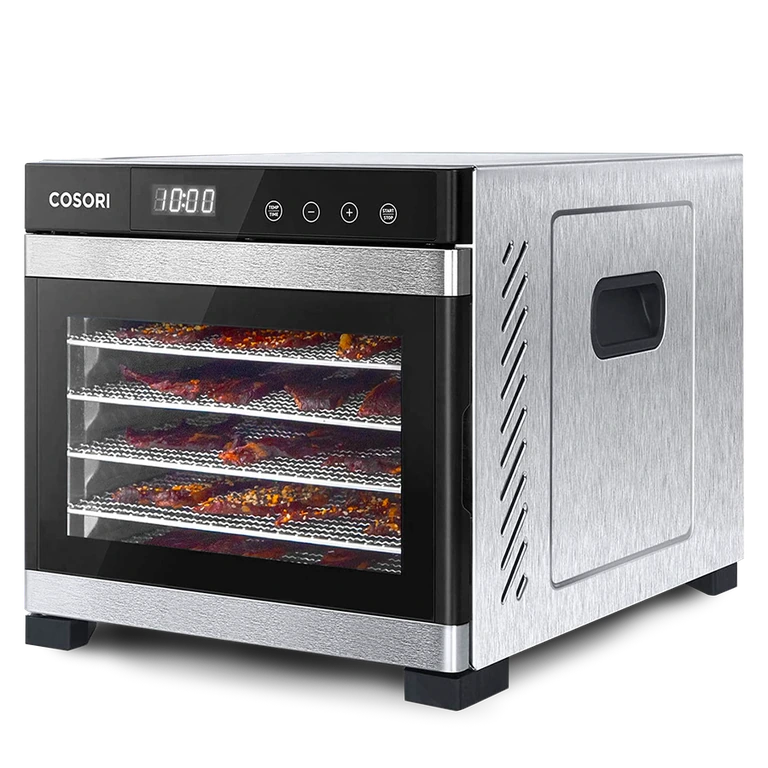
Compare tray space, temperature controls and the setup that fits your kitchen.